CBSE Meets IB: The Blended Curriculum at Akshara International School Kukatpally
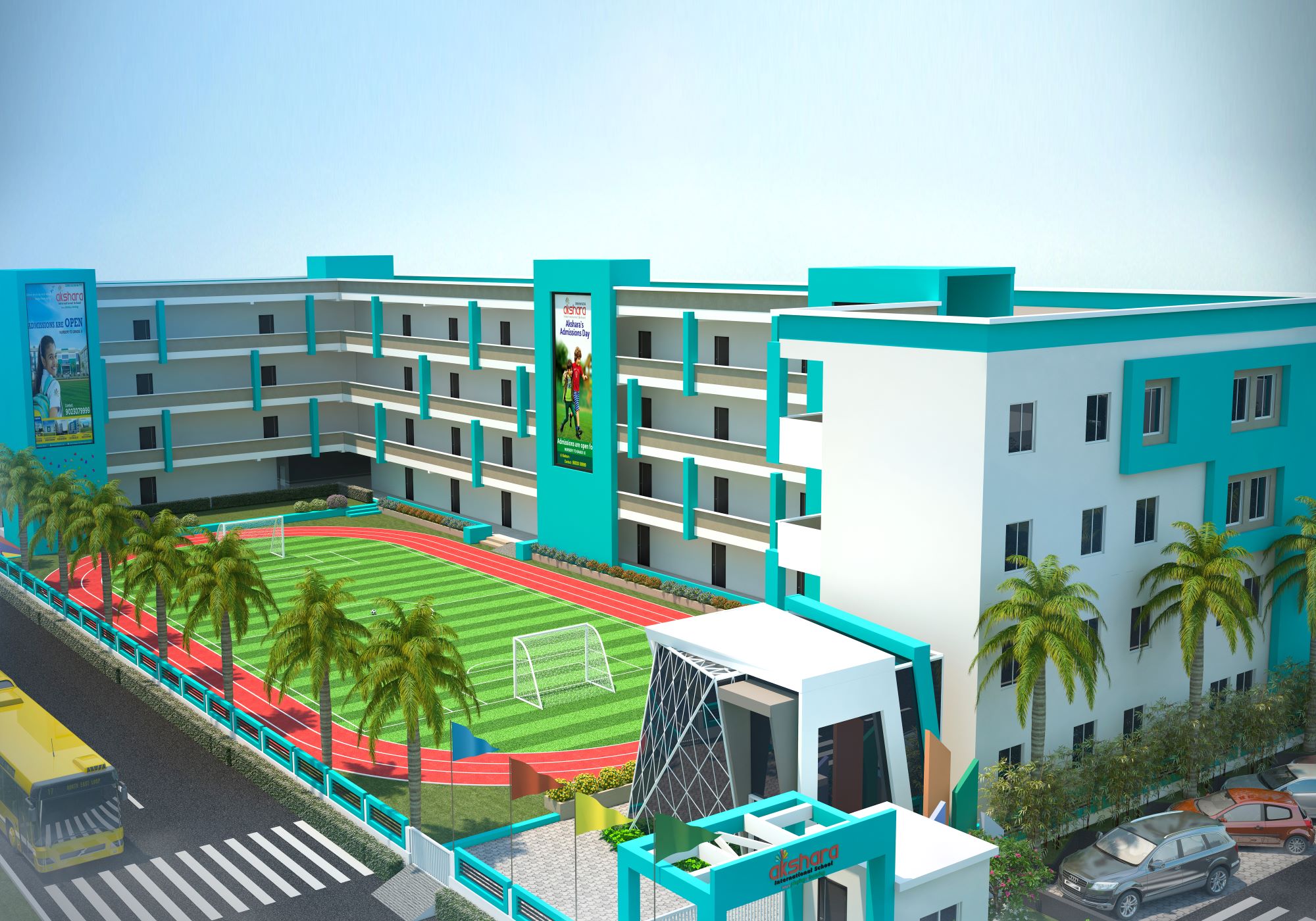
"Is it CBSE or is it international?" is a question a lot of parents in Kukatpally end up asking about this school, usually somewhere in the middle of a campus tour. The honest answer is: both, deliberately. Akshara International School Kukatpally follows the CBSE curriculum right through to Grade X, but at the Pre-Primary and Primary stages, it layers in IB-style methodology on top — which sounds like a marketing line until you actually look at what that means in practice.
Why Blend Two Curricula At All?
CBSE gives students the eligibility and structure they need for mainstream Indian higher education — that part isn't up for debate for most parents. But CBSE on its own can lean heavily on textbook memorisation, especially in the early years. Akshara International School Kukatpally tries to fix that specific problem by borrowing IB's emphasis on inquiry-based learning, communication skill-building, and connecting subjects to each other, rather than teaching maths, science, and language as three unrelated boxes to tick.
It's not a token gesture either. The way the school describes it, a science concept in class is expected to connect to a maths application, and a history lesson to a writing exercise — which, if it actually plays out that way in the classroom, is a genuinely different experience than the rote-and-repeat model plenty of CBSE schools still run on. This ties directly into what the school's own piece on classroom to career describes as a deliberately connected, four-stage progression rather than four separate phases bolted together.
The Three Programs Doing the Actual Work

Talk of "blended curriculum" is easy to say and hard to prove, so it's worth looking at what Akshara International School Kukatpally has actually built to back it up. Three named programs do most of the heavy lifting:
- A-SAP builds a solid conceptual foundation in Math and Science early on, instead of leaving foundational gaps to surface later as "weak basics" in Grade 8 or 9.
- A-SEP is aimed squarely at competitive exam prep — NTSE, SOF, ASSET, RMO, NSTSE, UIEO, IMUN, and similar Olympiad-style exams — giving students a real shot at these without needing to go outside the school for coaching.
- A-SAT focuses on English communication, since a shaky grasp of English tends to quietly hold back students in almost every other subject, whether anyone names it directly or not.
Put together, these three programs are really doing the work that the phrase "blended curriculum" is trying to describe in one sentence. It's a similar underlying idea to what's covered in the school's campus and facilities piece — the infrastructure only matters because there's a specific academic plan running through it.
What This Actually Looks Like Day to Day
For a parent who isn't in the classroom, it's fair to ask what this looks like on an ordinary Tuesday rather than in a prospectus. In practice, it means less time spent copying notes off a board and more time on activities where a child has to actually apply what they just learned — a group project instead of a worksheet, a discussion instead of a straight lecture. It also means ICT is folded into how subjects are taught rather than bolted on as a separate "computer class" once a week.
None of this replaces the sports, arts, and clubs that round out a student's week at Akshara International School Kukatpally — those still matter, and the school's own coverage of sports, arts, and life beyond the classroom goes into that separately. The curriculum piece is really about what's happening for the six-plus hours a child spends inside the classroom itself.
Is This Actually Better Than a Straight CBSE School?
Depends what you're optimising for. If your only concern is board exam scores and nothing else, a straight CBSE school focused entirely on syllabus coverage might get there just as reliably, maybe with less classroom experimentation along the way. But if you want a child who can actually explain why an answer is correct, not just recall that it is, the IB-influenced early years at Akshara International School Kukatpally are built with that specific goal in mind. It's a real trade-off, not an obvious win either way, and it's worth thinking through rather than just taking the brochure's word for it.
Is It Right for Your Child?
A one-acre campus near Vivekananda Nagar, a school that's been running since 2014, and a curriculum that tries — deliberately, not accidentally — to marry CBSE's structure with IB's approach to actual learning. That's the pitch at Akshara International School Kukatpally, and it's a reasonably specific one as these things go. If it sounds like the kind of classroom experience you want for your child, it's worth pairing this with the school's own fees, reviews and admissions overview before booking a visit and asking to actually sit in on a class.
Note: Blogs by Yellow Slate are written based on information, knowledge and perspective of the writer. While every caution has been taken to provide readers with accurate information, please use your discretion before taking any decisions based on the information in this blog. In case you find any information that is factually wrong or something that could be made better, please write to us at contact@yellowslate.com.
Curious about how we arrived at this list? We believe parents deserve full transparency on how schools are evaluated and selected. to understand our school selection methodology.


