Child Online Safety and Cyberbullying Prevention: A Guide for Parents at Trio World Academy
In today's digital age, children acquire digital citizenship sooner than any prior generation. While technology offers incredible learning opportunities and connections, it also exposes young minds to risks parents never faced during their own childhoods. From inappropriate content and online predators to the increasingly prevalent issue of cyberbullying, the online world presents challenges that require vigilant parental guidance and school partnership. Understanding child online safety at Trio World Academy and beyond becomes essential for every parent navigating this complex digital landscape. This comprehensive guide explores practical strategies parents can implement to protect their children online while fostering healthy technology habits that serve them throughout life.
Understanding the Digital Landscape Our Children Navigate
Today's children grow up surrounded by screens, social media platforms, gaming communities, and instant messaging apps that shape their social interactions and self-perception. Unlike previous generations who experienced bullying primarily within school walls, modern children face potential harassment 24/7 through digital channels. Cyberbullying can occur through text messages, social media posts, online gaming chats, or anonymous messaging platforms—making it harder for parents to monitor and intervene. Understanding this landscape represents the first step toward effective protection.
Moreover, the anonymity and distance provided by screens often embolden individuals to say things they would never express face-to-face. Children may encounter cruel comments, exclusionary behavior, embarrassing photo-sharing, or even threats that damage their emotional wellbeing and self-esteem. The permanent nature of digital content means that hurtful messages or images can circulate indefinitely, compounding the trauma. Parents must recognize that online experiences profoundly impact children's mental health, academic performance, and social development—making child online safety at Trio World Academy and at home equally important.
Early Education About Digital Citizenship
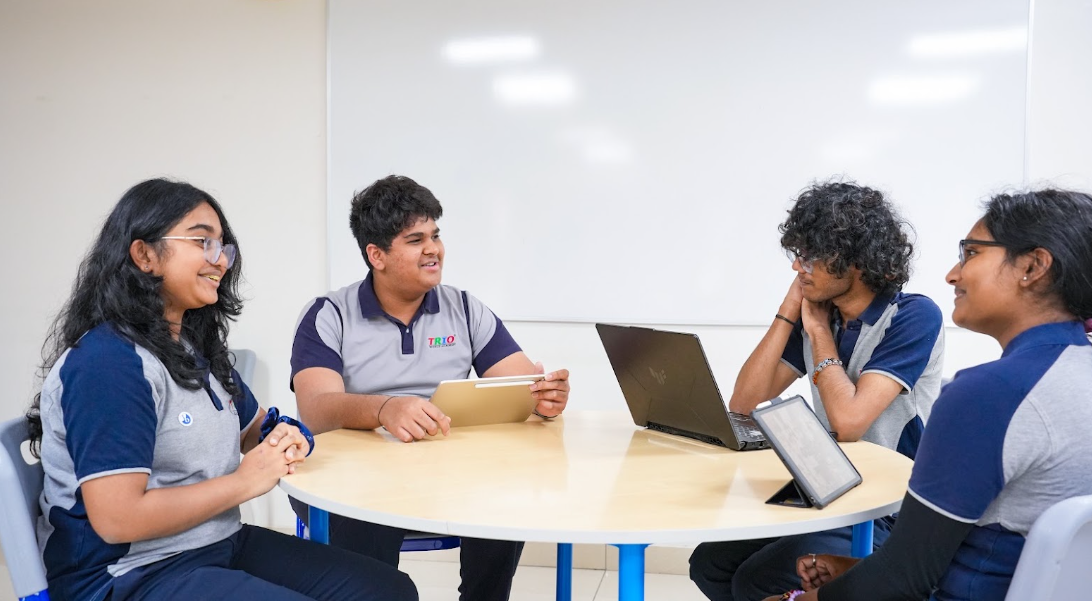
Prevention begins with education. From the moment children start using devices, parents should teach them about digital citizenship—the responsible, ethical use of technology. This includes understanding that online actions have real-world consequences, that other people's feelings matter even in digital spaces, and that permanent digital footprints follow us throughout life. Age-appropriate conversations about online behavior, privacy, and respect should become routine family discussions rather than one-time lectures delivered when problems arise.
Additionally, parents should model good digital citizenship themselves. Children learn more from observing parental behavior than from listening to rules. When parents demonstrate respectful online communication, thoughtful social media use, and healthy technology boundaries, children internalize these practices naturally. Explain why you make certain choices—why you don't share certain photos, why you verify information before sharing, why you limit screen time. Making thinking visible helps children develop their own judgment about digital behavior that protects them when parents aren't present to guide every click.
To explore detailed information straight from the source, visit the school’s official website at http://www.trioworldacademy.com/
How Trio World Academy Approaches Digital Citizenship
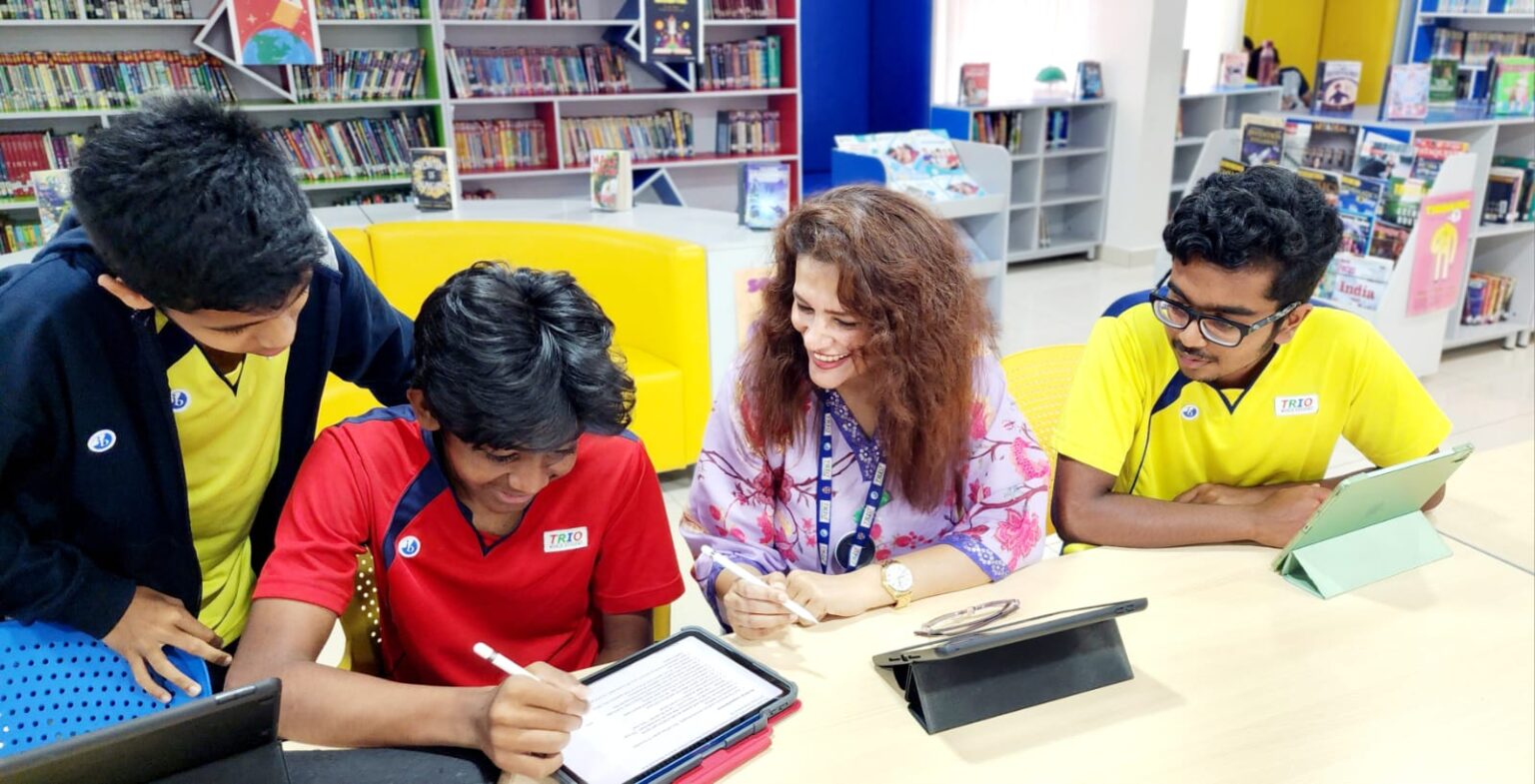
Technology at Trio World Academy is harnessed as a tool that makes students learn better and empowers them to create a better world around them. The institution recognizes that children of today acquire digital citizenship sooner than any prior generations, and educators must be prepared to lead them well. Rather than avoiding technology or implementing blanket restrictions, the school focuses on teaching students to use technology responsibly and productively. This approach builds critical thinking skills that help students navigate online spaces safely while maximizing the educational benefits technology offers.
Establishing Open Communication Channels
The foundation of child online safety at Trio World Academy and in any family is open, non-judgmental communication between parents and children. When children feel comfortable discussing their online experiences—including uncomfortable or confusing encounters—parents can intervene early before situations escalate. However, many children hesitate to report cyberbullying or concerning online interactions because they fear parents will react by completely removing device privileges, which would socially isolate them from peers who increasingly communicate digitally.
Therefore, parents must create communication environments where children trust that reporting problems leads to support rather than punishment. This requires careful balance—taking concerns seriously while avoiding overreactions that shut down future sharing. When children describe troubling online experiences, listen actively without immediately jumping to solutions or restrictions. Ask questions to understand the situation fully, validate their feelings, and collaboratively develop responses that address the problem while preserving their developing autonomy and social connections. This approach to child online safety at Trio World Academy families builds trust that encourages ongoing dialogue throughout adolescence.
Setting Appropriate Boundaries and Rules
While open communication is essential, children also need clear boundaries about technology use. These rules should be age-appropriate, consistently enforced, and explained rather than simply imposed. For young children, this might mean limiting device use to shared family spaces, using parental controls to filter inappropriate content, and restricting usage times. As children mature and demonstrate responsibility, privileges can expand while maintaining core safety guidelines.
Family technology agreements can formalize these boundaries. Sit down together and create written guidelines covering acceptable websites and apps, time limits, privacy settings, appropriate online behavior, and consequences for violations. When children participate in creating these rules, they understand the reasoning and feel greater ownership over following them. The agreement might include provisions like never sharing passwords with friends, asking permission before downloading apps, immediately reporting uncomfortable online interactions, and keeping devices out of bedrooms overnight. Regularly revisit and adjust these agreements as children grow and technology evolves.
Want to learn more? Tune into the Trio World Academy Podcast for expert insights, industry trends, and inspiring conversations to guide your learning journey!
Technology Management at Trio World Academy
Trio World Academy implements thoughtful technology policies that balance educational access with safety concerns. Students are not allowed access to mobile phones during school hours, creating boundaries that help them focus on learning and face-to-face social interactions. Additionally, internet and Wi-Fi at the school are firewalled to prevent access to inappropriate media and personal email accounts that could be misused. These institutional safeguards complement parental efforts at home, providing consistent messaging about appropriate technology use across the environments where children spend their time.
Recognizing Warning Signs of Cyberbullying
Parents cannot protect children from risks they don't recognize. Understanding warning signs that a child may be experiencing cyberbullying enables earlier intervention that prevents escalation. These signs include sudden changes in device use patterns—either avoiding technology they previously enjoyed or becoming anxiously obsessive about checking devices. Emotional changes like increased sadness, anxiety, or withdrawal from family and activities may indicate online harassment. Academic performance declines, sleep disturbances, or physical complaints like headaches or stomach aches can signal stress from cyberbullying.
Additionally, watch for changes in social behavior—avoiding previously enjoyed activities, losing friendships, or expressing reluctance to attend school. If children become secretive about online activities, quickly close screens when parents approach, or display nervous responses to notifications, investigate gently but persistently. Not all these signs definitively indicate cyberbullying—adolescence naturally brings emotional fluctuations—but clusters of concerning changes warrant deeper exploration. Early recognition of child online safety issues at Trio World Academy or any school setting allows parents and educators to intervene before children's wellbeing seriously deteriorates.
Practical Steps When Cyberbullying Occurs
If you discover your child is experiencing cyberbullying, resist the impulse to immediately confiscate devices or dismiss the situation as unimportant drama. Instead, document everything—take screenshots of harassing messages, posts, or images before they potentially disappear. This evidence becomes crucial if situations require involvement from schools or, in extreme cases, law enforcement. Reassure your child that the bullying isn't their fault and that you will help resolve the situation.
Contact your child's school immediately. Most educational institutions, including those implementing comprehensive child online safety at Trio World Academy standards, have anti-bullying policies that extend to digital harassment. Schools can address situations where bullies are fellow students, implement consequences, provide counseling support, and monitor interactions to ensure harassment stops. If bullying occurs through social media or gaming platforms, report it to those platforms using their harassment reporting mechanisms. Many platforms will remove content or ban users who violate community standards.
Consider limiting—but not completely eliminating—your child's access to platforms where bullying occurs, at least temporarily. If Instagram posts are causing distress, taking a break from that platform while maintaining connections through other channels preserves social links while reducing exposure to harmful content. Help your child block or unfriend individuals engaging in bullying. In severe cases involving threats, sexual content, or persistent harassment despite interventions, consult with law enforcement about potential criminal violations.
To explore detailed information straight from the source, visit the school’s official website at http://www.trioworldacademy.com/

Teaching Children to be Upstanders, Not Bystanders
Beyond protecting your own child, teach them to support peers experiencing cyberbullying. The "upstander" concept—actively standing up for victims rather than passively witnessing bullying—empowers children to create safer online communities. Discuss how they can respond if they witness cyberbullying: refusing to forward or like cruel content, privately reaching out to victims to offer support, reporting serious situations to trusted adults, and sometimes publicly calling out bullying behavior when safe to do so.
However, also teach children to assess risk. In some situations, particularly when physical safety could be threatened, reporting to adults rather than directly intervening represents the wisest choice. Role-play various scenarios so children practice responses before encountering real situations. Emphasize that staying silent enables bullying to continue and that speaking up requires courage but makes meaningful differences. When children develop habits of defending others online, they contribute to the positive digital citizenship that makes everyone safer.
Community and Service Values at Trio World Academy
Trio World Academy cultivates values of leadership, discipline, academic excellence, and service through its core curriculum and culture. The school's emphasis on community service and social responsibility extends beyond traditional volunteering to include creating supportive, inclusive environments where every student feels valued. By fostering empathy, compassion, and kindness within the school community, the institution builds foundations for students to become upstanders who protect peers from all forms of bullying, including digital harassment. These character-building initiatives complement technical safety measures, creating comprehensive approaches to child online safety at Trio World Academy.
Privacy Settings and Account Security
Many cyberbullying situations worsen when personal information or private content becomes publicly accessible. Teaching children about privacy settings and account security protects them from various online risks. Work with your child to review privacy settings on all social media accounts, gaming profiles, and apps they use. Ensure profiles are set to private so only approved connections can view content. Discuss why sharing location data, full names, school names, phone numbers, or addresses publicly creates risks beyond just cyberbullying.
Additionally, emphasize strong password practices. Each account should have a unique, complex password that combines letters, numbers, and symbols. Consider using a family password manager that allows you to store passwords securely while monitoring accounts appropriately for your child's age. Enable two-factor authentication wherever possible to prevent unauthorized account access. Explain that even trusted friends shouldn't know passwords—friendships change, and shared passwords create vulnerabilities. Regular security audits where you review together what information is publicly visible and which apps have access to data reinforce good habits. To explore detailed information straight from the source, visit the school’s official website at http://www.trioworldacademy.com/

Age-Appropriate Technology Introduction
Not every child is ready for every technology at the same age. While peer pressure makes children insist they need smartphones, social media accounts, or gaming systems because "everyone else has them," parents must assess individual readiness rather than following herd mentality. Consider your child's maturity level, demonstrated responsibility with existing privileges, and emotional resilience before introducing technologies that carry increased risks.
Some families find success with graduated technology privileges—perhaps starting with basic phones that call and text but don't access internet, then adding limited smartphone features as responsibility grows, and eventually allowing fuller social media access in mid-teens when children demonstrate judgment. Others introduce social media with parent-controlled accounts before transitioning to independent accounts. There's no single right timeline, but intentional, staged introduction of child online safety at Trio World Academy families or any family allows children to build skills progressively rather than becoming overwhelmed by too much access too quickly.
The Role of Schools in Digital Safety
Parents cannot address online safety alone—schools must partner in this effort. Strong educational institutions implement comprehensive approaches to child online safety at Trio World Academy levels and beyond, including digital citizenship curriculum, clear anti-bullying policies that explicitly address cyberbullying, safe internet infrastructure, and responsive systems when students report problems. Parents should understand what schools are doing to promote online safety and reinforce those lessons at home.
When evaluating schools, ask about technology policies, digital citizenship education, and how they handle cyberbullying reports. Schools that take proactive approaches—teaching appropriate technology use rather than just reacting when problems arise—create safer environments. They should have clear protocols for investigating digital harassment, protecting victims, implementing consequences for perpetrators, and involving parents appropriately. Strong school-home partnerships around technology create consistent expectations that help children navigate digital spaces more safely.
Safety Commitment at Trio World Academy
Trio World Academy takes child safety seriously across all dimensions, including digital wellbeing. The school provides an environment with every means of security and safety for students at all times. Beyond physical safety measures like CCTV cameras and background checks for all staff, the institution implements technological safeguards including firewalled internet access that prevents misuse of media and personal communications during school hours. The school's commitment to providing a safe, inclusive, and intellectually stimulating environment extends to ensuring students can engage with technology productively without exposure to inappropriate content or digital harassment.
Building Digital Resilience
While preventing exposure to all online negativity is impossible, parents can build children's resilience to handle inevitable challenges. Resilience doesn't mean ignoring problems or expecting children to "toughen up" in face of cruelty. Rather, it involves developing emotional regulation skills, healthy self-esteem independent of online validation, strong offline relationships and activities, and problem-solving capabilities that help children navigate difficulties constructively.
Encourage diverse activities beyond screen time—sports, arts, time in nature, family interactions—that build identity and self-worth not dependent on likes, followers, or online popularity. Teach emotional literacy so children can identify and express feelings about online experiences. Practice problem-solving by discussing challenging scenarios and brainstorming responses. When children have rich offline lives, strong family connections, and developed coping skills, online negativity impacts them less severely. This resilience allows them to engage with technology's benefits while managing its risks effectively.
Monitoring Without Violating Trust
Parents face the delicate balance between monitoring children's online activities appropriately and respecting privacy in ways that build trust. The right approach varies by child's age and maturity. For young children, direct supervision and full transparency about parental monitoring makes sense—you might literally sit beside them while they use devices, review all apps and accounts, and check messages regularly. As children enter adolescence and demonstrate responsibility, monitoring can become less intrusive while maintaining safety.
Transparency remains key. Children should always know that parents may review their online activities. Secret monitoring that children discover destroys trust and makes them less likely to seek help when problems arise. Some families find success with open-door policies—devices used only in common areas where screens are visible—combined with periodic, announced reviews of social media accounts and messages. Others use monitoring software that tracks activity and alerts parents to concerning content, with children understanding this system exists. Find approaches to child online safety at Trio World Academy families that match your values while keeping communication open about why monitoring occurs and how it will adjust as responsibility grows.
Conclusion: Partnership and Persistence in Digital Safety
Protecting children online requires ongoing partnership between parents, schools, and the children themselves. It's not a problem that gets "solved" once but rather an evolving challenge that adapts as technology changes and children mature. The strategies discussed—education about digital citizenship, open communication, clear boundaries, recognition of warning signs, appropriate responses to cyberbullying, privacy practices, age-appropriate access, and resilience building—create comprehensive approaches to child online safety at Trio World Academy and in homes across Bangalore and beyond.
Remember that perfection isn't the goal. You will make mistakes, children will encounter difficulties, and technology will present new challenges you didn't anticipate. What matters is staying engaged, maintaining dialogue, showing children they can trust you with their struggles, and persistently working to balance technology's tremendous benefits against its real risks. When schools and families collaborate in prioritizing child wellbeing in digital spaces, we create environments where children can explore, learn, connect, and grow online while remaining safe from the harassment, exploitation, and harm that unchecked internet access can bring.
Stay informed about platforms your children use, remain involved in their digital lives without being invasive, and never stop the conversations about online safety that equip them to eventually navigate the digital world independently with the judgment and values you've instilled. The effort invested in protecting children online pays dividends in their mental health, relationships, and ability to harness technology as the powerful tool for good that it can and should be.
Note: Blogs by Yellow Slate are written based on information, knowledge and perspective of the writer. While every caution has been taken to provide readers with accurate information, please use your discretion before taking any decisions based on the information in this blog. In case you find any information that is factually wrong or something that could be made better, please write to us at contact@yellowslate.com.
Curious about how we arrived at this list? We believe parents deserve full transparency on how schools are evaluated and selected. to understand our school selection methodology.


