Curriculum and Teaching Methodology at Akshara International School, Kismatpur
When parents in Hyderabad start shortlisting schools for their children, one question keeps coming up: what actually happens inside the classroom? The fee structure, the campus, the reputation — all of it matters, of course. But the curriculum and how teachers deliver it? That's the engine. And for families exploring Akshara International School, Kismatpur, this is an aspect worth understanding in depth, because the approach here is genuinely different from most CBSE schools in the area.
Spread across a serene 4-acre campus in Kismatpur, Akshara International School, Kismatpur follows the CBSE curriculum while simultaneously aligning it with IB methodology at the Foundational and Preparatory stages. That combination sits at the heart of what the school calls its Akshara Education Policy, or AEP — an in-house curricular and pedagogical structure designed to balance academic rigour with holistic growth. Among the best schools in South Hyderabad, this kind of deliberate curricular design is what sets the Kismatpur campus apart.
What Is the Akshara Education Policy (AEP)?
At its core, the AEP is the school's answer to a fairly common parental frustration: that CBSE schooling can sometimes feel rote-heavy, exam-focused, and disconnected from real-world thinking. Akshara International School, Kismatpur addresses this by building an in-house policy that is inspired by the core values of the National Education Policy 2020 while integrating traditional values with a more progressive pedagogical approach.
The goal of the AEP, as stated on the school's website, is to equip students with academic proficiency, social adaptability, and emotional well-being — not just marks on a report card. The framework aims to help students acquire competencies that unlock their intellectual potential, develop their best qualities, and facilitate deep learning. It's a philosophy that treats the school's role as preparing conscientious, compassionate, and accomplished individuals — a claim that the school's four-stage curriculum structure is designed to actually deliver on, grade by grade.
How the Curriculum at Akshara International School, Kismatpur Unfolds Stage by Stage
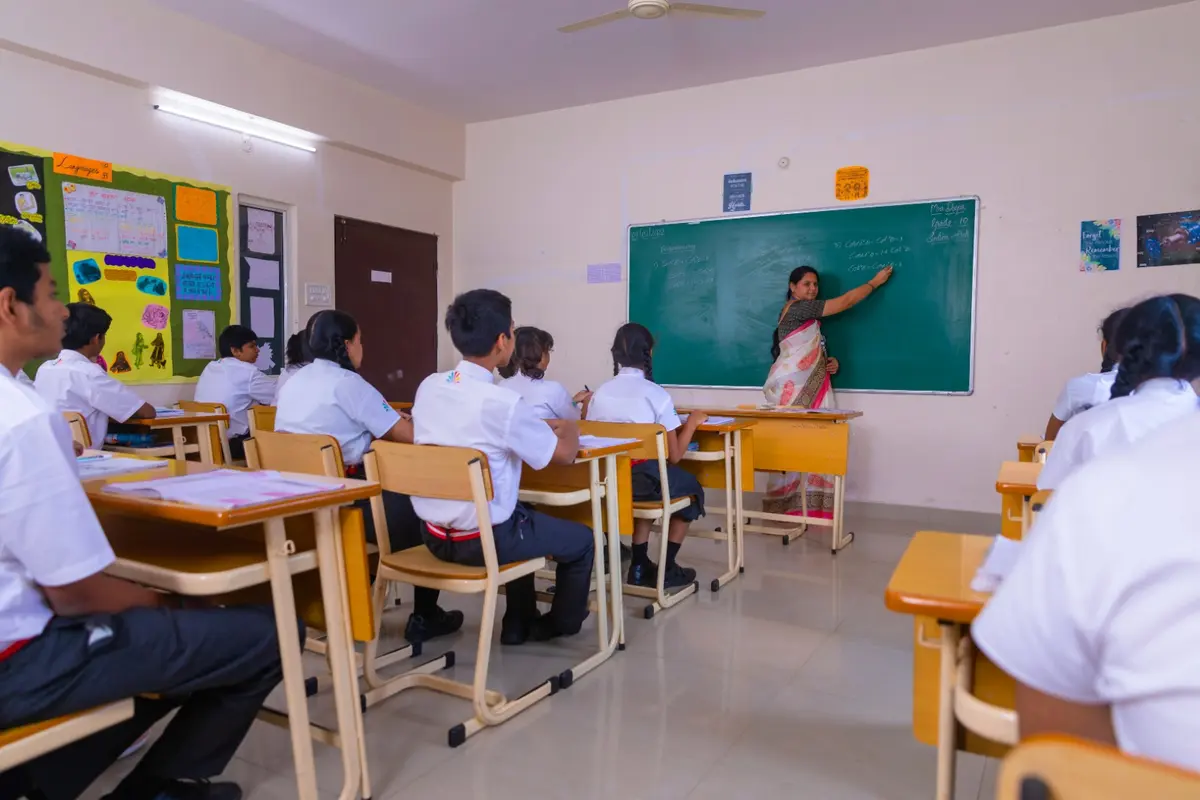
The school's curriculum is structured around four distinct learning stages, each with its own specific goals and pedagogical methods. Understanding these stages gives parents a clear picture of what their child experiences at every phase of schooling.
Foundation Stage (Nursery to Grade II)
The Foundation Stage at Akshara International School, Kismatpur is described as a solid foundation for the whole academic structure as laid out in NEP 2020. This isn't just about teaching alphabets and numbers — the stage covers six interconnected areas of development: foundational literacy (listening, speaking, reading, writing, and comprehension), creativity and expressive arts through art, craft, music, movement, and theatre, physical development covering fine motor skills, gross motor skills, health and hygiene, socio-emotional development including self-confidence, communication, and behavioural learning, foundational numeracy with logical thinking and problem-solving, and access to an eco-friendly play arena for pre-primary students that includes a sandpit, ball pool, and splash pool. This multi-dimensional approach to early childhood recognises that children at this age don't learn in subject silos — they learn through experience, play, and exploration.
Preparatory Stage (Grade III to Grade V)
Moving into the Preparatory Stage, the school shifts its focus toward building the right blend of conceptual and skill-based learning that develops intellectual habits and innovative practices. The key pedagogical approaches at this stage include building exceptional communication skills through language acquisition and ICT integration, holistic learning through interdisciplinary and project-based approaches, inquiry-based and experiential learning methodology, academic rigour focused on conceptual knowledge and skill development, and active teaching and learning strategies. The introduction of inquiry-based and project-based learning here is significant. It means students aren't just recipients of information — they're expected to question, investigate, and connect ideas across subjects, which aligns closely with the IB methodology the school blends into its CBSE framework at this level.
The Middle and Secondary Years: Building Depth and Independence
Middle Stage (Grade VI to Grade VIII)
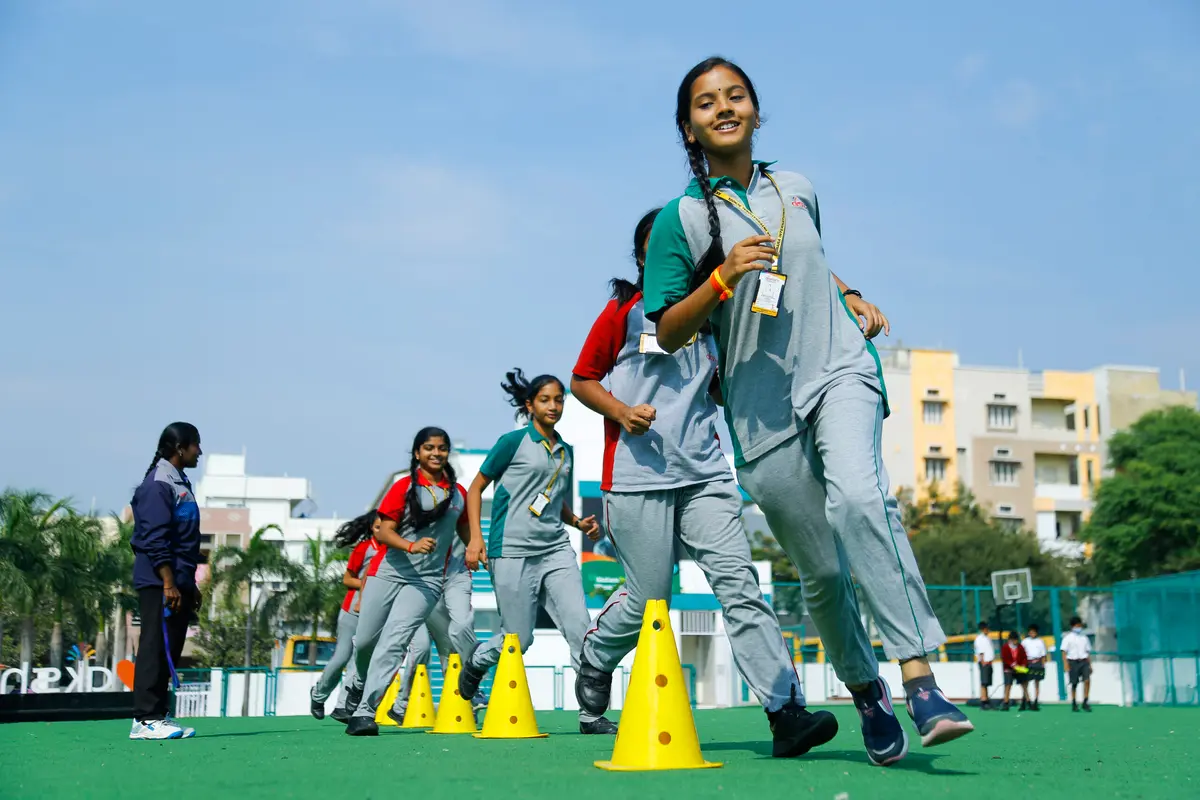
The Middle Stage at Akshara International School, Kismatpur is designed to offer a broad curriculum that balances the goals of CBSE while laying a strong foundation for any competitive examination in the future. The defining features of this stage are its multidisciplinary approach and deliberate avoidance of rigid separation between subjects. The school also emphasises 360-degree holistic and experiential learning, a flexible curriculum, integration of arts and sports into classroom learning, inclusivity and equity, and technology integration. This is the stage where students often start feeling the pressure of board preparation, but the Kismatpur campus tries to counter that by keeping the learning environment as dynamic as possible — blending classroom instruction with art, sports, and technology so that students aren't simply cramming their way through Grades VI to VIII.
Secondary Stage (Grade IX to Grade XII)
The Secondary Stage is where the curriculum becomes most demanding, and Akshara International School, Kismatpur describes it as a bridge between foundational learning and the specialised study that will follow in higher education. The salient features of the secondary stage reflect how seriously the school takes preparing students for life beyond school. These include an emphasis on critical thinking through "Thinking Classrooms," holistic progress and assessments, a multidisciplinary study approach, a research-oriented and experiential learning methodology, technology integration, art-integrated learning, a clear focus on 21st-century skills, vocational integration, inclusion and equity, and enhanced career guidance. Among the best CBSE schools in Hyderabad, the introduction of vocational integration and career guidance at the secondary level reflects a meaningful shift away from purely exam-oriented schooling. Parents whose children are approaching Grades IX to XII will find this stage particularly relevant, especially the emphasis on 21st-century skills and research-oriented learning.
The Philosophy Behind the Curriculum at Akshara International School, Kismatpur
What ties all four stages together is a broader ethical and values-based framework that the school describes through its "Vowels of Our Difference" philosophy. The curriculum at Akshara International School, Kismatpur is guided by principles that promote an inclusive and vibrant knowledge society. This includes upholding constitutional values and fostering national pride, cultivating global citizenship, and building in students a conscious awareness of their roles and responsibilities in a rapidly changing world.
Furthermore, the school maintains a dedicated Research and Development team that focuses on continuous and comprehensive teacher training, innovation in teaching methods, fostering creative ideas, simplifying knowledge reachability for students, and facilitating the effectiveness of self-managing teams at the branch level. This is not a common feature among schools in South Hyderabad, and for parents who want to know that a school is investing in its teachers as much as its students, this is worth noting. The teaching faculty are described not just as educators but as mentors, and the school's support ecosystem includes counsellors, IT specialists, and healthcare specialists alongside the academic staff.
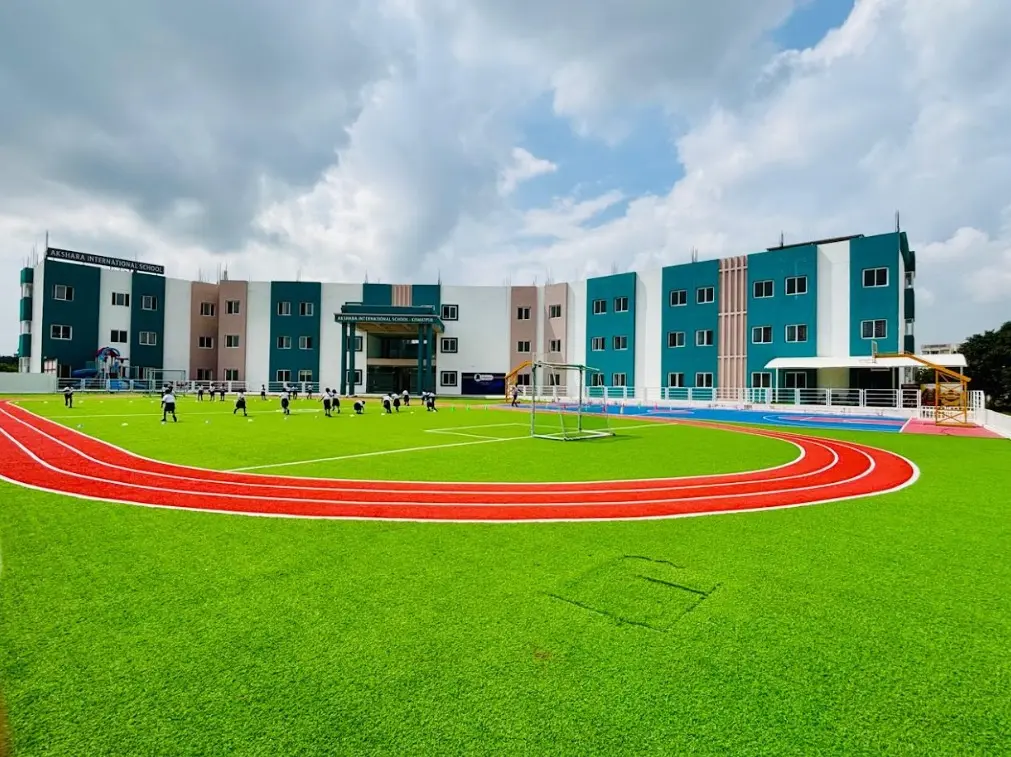
The campuses of Akshara International School are designed to support this learning environment — spacious, well-ventilated classrooms and learning centres, a GPRS-tracked bus fleet, a mobile parental app, and IVRS connectivity all contribute to an environment where learning and communication are seamlessly integrated. Parents searching for the best international schools in Hyderabad will find that the Kismatpur campus reflects this commitment in both its physical infrastructure and its pedagogical design.
A Curriculum Built for the World, Rooted in Values
There is a particular kind of parent who shortlists Akshara International School, Kismatpur — one who wants the credibility of CBSE without sacrificing the inquiry-driven spirit that IB methodology brings to early learning. The AEP framework, the four-stage curriculum progression, the blended pedagogical approach, and the school's underlying commitment to producing conscientious global citizens all speak directly to that parent. Among the best schools in Kismatpur and the surrounding areas of South Hyderabad, the curriculum and teaching methodology at Akshara Kismatpur make a compelling case for why this school belongs on any serious shortlist.
To explore the curriculum in detail or to learn more about the learning environment at the Kismatpur campus, visit the official Akshara International School website.
Note: Blogs by Yellow Slate are written based on information, knowledge and perspective of the writer. While every caution has been taken to provide readers with accurate information, please use your discretion before taking any decisions based on the information in this blog. In case you find any information that is factually wrong or something that could be made better, please write to us at contact@yellowslate.com.
Curious about how we arrived at this list? We believe parents deserve full transparency on how schools are evaluated and selected. to understand our school selection methodology.


