Infrastructure and Facilities at Vishwa Vidyapeeth Magadha School Varthur: A Comprehensive Guide
When parents in Varthur, Bangalore search for schools that truly balance academic excellence with holistic development, infrastructure quality often emerges as a decisive factor. Beyond impressive brochures and compelling philosophies, the physical environment where children spend their formative years profoundly impacts learning outcomes, safety, comfort, and overall development. For families considering Vishwa Vidyapeeth Magadha School's CBSE Varthur campus, understanding the comprehensive infrastructure and facilities reveals how this institution translates educational vision into tangible daily experiences that shape young minds and bodies.
Campus Overview: Seven Acres of Purposeful Learning Spaces
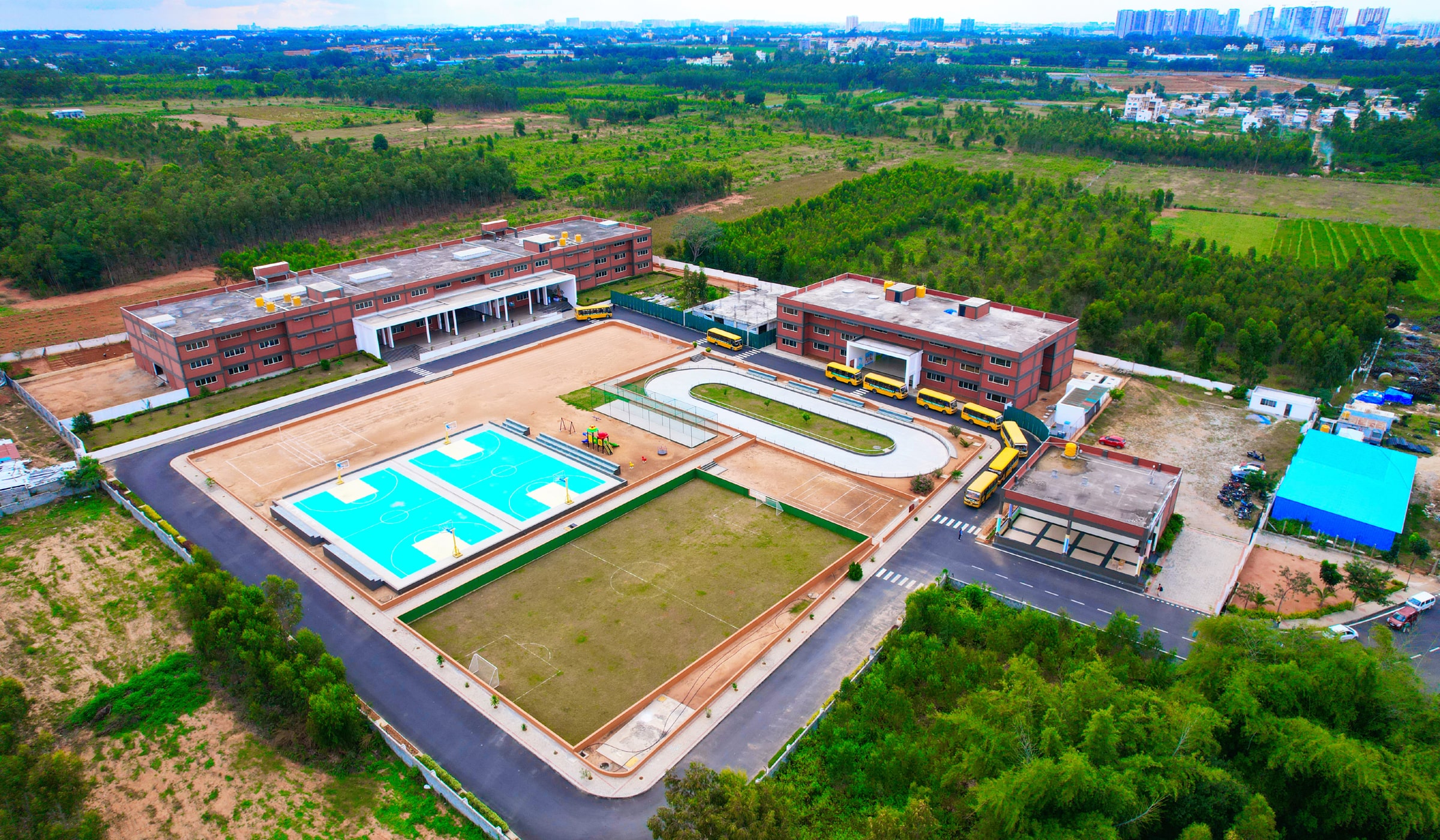
The CBSE Varthur campus of Vishwa Vidyapeeth Magadha School spreads across seven acres of thoughtfully designed land, offering ample space for both academic pursuits and co-curricular activities. This expansive footprint allows the school to provide dedicated zones for different age groups and activities, ensuring that students from Pre-Primary through Grade 10 each have appropriate spaces tailored to their developmental needs and learning requirements.
The seven-acre campus represents more than mere physical space—it embodies educational philosophy translated into architectural reality. Unlike cramped urban schools where students compete for limited space, the generous campus at Vishwa Vidyapeeth Varthur allows breathing room, outdoor exploration, sports facilities, gardens for environmental learning, and safe recreational areas. This spatial abundance contributes directly to stress-free learning environments where children can move, play, explore, and grow without constant crowding or restriction.
Thoughtful Campus Design: Zoning for Holistic Development
Academic Infrastructure Excellence
The campus layout at Vishwa Vidyapeeth Magadha School demonstrates careful zoning that segregates yet integrates different functional areas. Dedicated academic blocks serve the Pre-Primary, Primary, Middle, and Secondary wings, with each building designed specifically for its age group's needs. This age-appropriate segregation at Vishwa Vidyapeeth Varthur ensures that younger children enjoy safe, scaled spaces while older students access more sophisticated learning environments appropriate to their developmental stages.
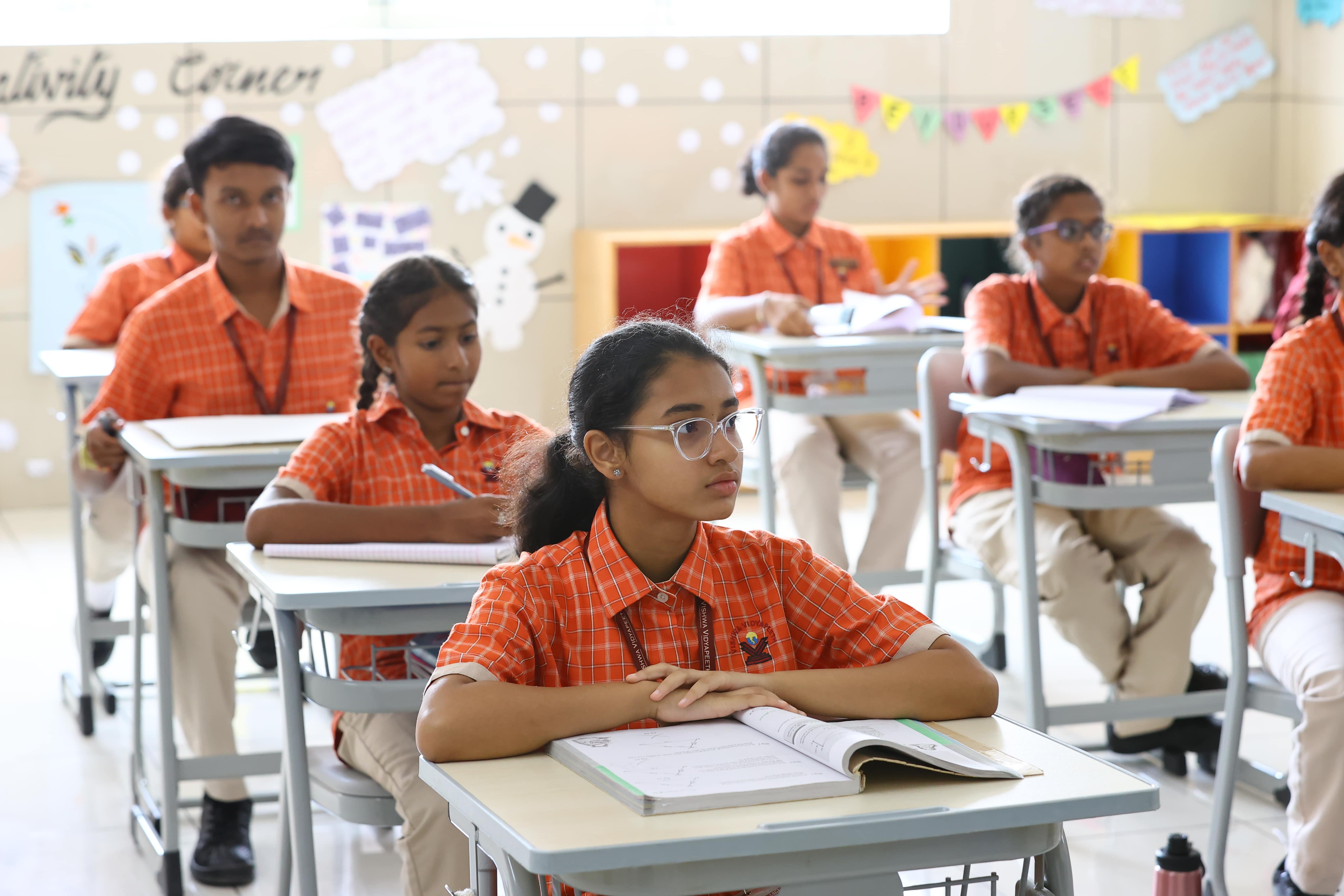
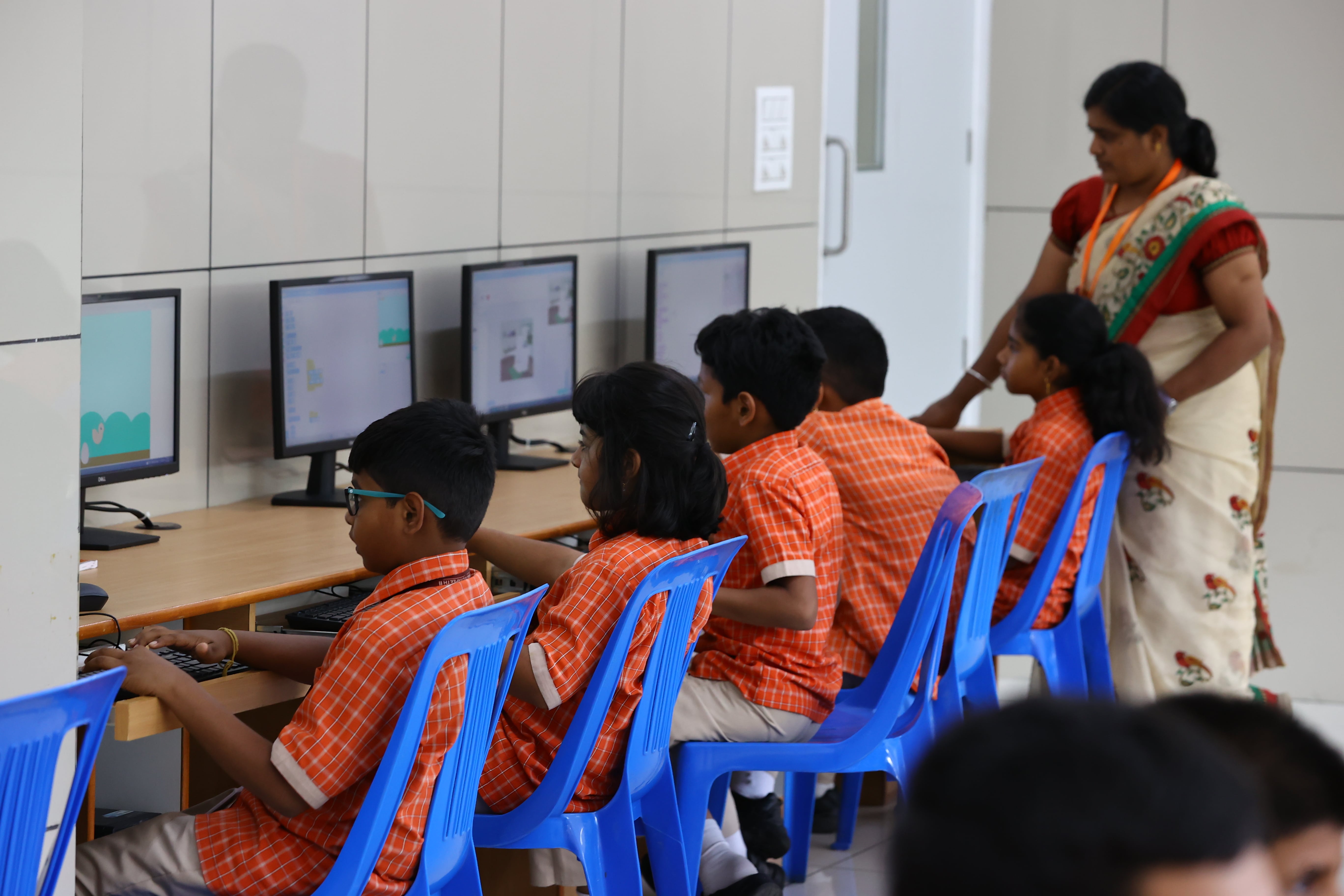
The academic blocks house 500 digitally enabled classrooms, representing comprehensive integration of educational technology across all learning spaces. These digital classrooms indicate that technology isn't confined to special computer labs but permeates everyday instruction across subjects and grade levels. Furthermore, the campus includes specialized rooms including an Audio-Visual Room for multimedia presentations, Art Lab for creative expression, and subject-specific Science Laboratories covering Physics, Chemistry, and Biology, along with a Computer Lab, Yoga Room, Infirmary, and dedicated Library spaces.
Special Purpose Facilities
Beyond standard classrooms, Vishwa Vidyapeeth Magadha School Varthur provides specialized spaces that distinguish it from conventional institutions. The in-house kitchen and dining facility ensures that meals are freshly prepared on-site using hygienic practices and, notably, some produce from the school's own garden. This internal food service gives the institution complete control over nutritional quality, hygiene standards, and menu planning aligned with children's health needs.
The Art and Craft room provides dedicated space where students across grade levels explore visual arts through painting, crafts, and hands-on creative expression. An Audio-Visual room equipped for performances, multimedia presentations, and artistic showcases supports both learning and student presentations. These purpose-built spaces demonstrate institutional commitment to providing appropriate environments for diverse learning modalities rather than forcing all activities into generic classrooms.
Sports and Outdoor Infrastructure
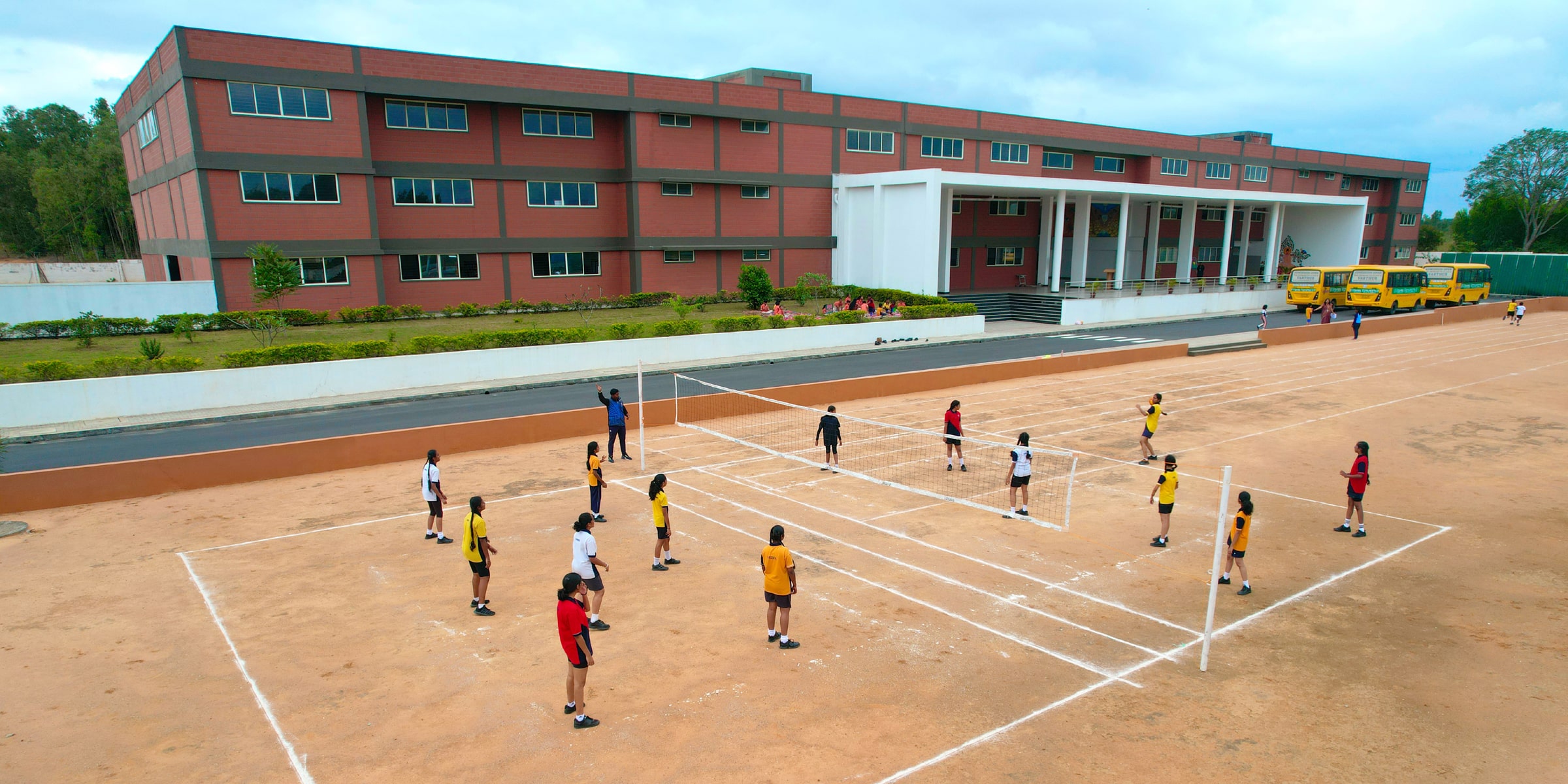
The vast grounds at Vishwa Vidyapeeth Varthur accommodate extensive outdoor games and physical activities. Facilities support skating, football, basketball, volleyball, taekwondo, table tennis, chess, and Pre-Primary playgrounds specifically designed for younger children's safe play. This diversity in sports infrastructure at Vishwa Vidyapeeth Magadha School ensures that children with varied athletic interests and abilities find appropriate outlets for physical development.
Photographic evidence depicts dedicated skating rinks, volleyball courts, football and basketball areas, and age-appropriate play zones for the youngest students. The thoughtful provision of pre-primary playgrounds separate from older students' sports areas ensures safety while providing developmentally appropriate physical challenges for toddlers and preschoolers who need different equipment and supervision than older children.
Safety and Security: Zero-Tolerance Commitment
Comprehensive Safety Protocols
Perhaps no aspect of school infrastructure matters more profoundly to parents than safety and security measures. At Vishwa Vidyapeeth Varthur, safety isn't an afterthought but rather a fundamental design principle embedded throughout campus operations. The school implements a zero-tolerance policy regarding campus safety, conducting regular Internal Safety Audits that underline structured and proactive approaches to ensuring both physical and emotional well-being.
Fire safety infrastructure includes fire extinguishers installed strategically in all corridors and laboratories, ensuring rapid response capability should emergencies occur. Safe drinking water provision and proper waste disposal systems maintain hygienic environments essential for student health. These foundational safety measures, while seemingly basic, require consistent maintenance and monitoring that many institutions neglect—making VVP's explicit commitment noteworthy.
Student Pick-Up and ID Verification Systems
The student pick-up protocols at Vishwa Vidyapeeth Magadha School demonstrate meticulous attention to child safety. Children are released only after verifying the identity of the person collecting them through multiple mechanisms. If parents don't show up at scheduled times, children are safely retained on campus with at least one lady staff member staying on duty until all children leave safely.
Moreover, students must wear ID cards daily for identification purposes. Parents' photographs are stored in the school diary and app for identity verification during pick-up. In cases where someone other than parents collects children, permission notes and identification are mandatory. This multi-layered verification system at Vishwa Vidyapeeth Varthur prevents unauthorized individuals from accessing students, addressing one of parents' most fundamental concerns about school safety.
Advanced Security Infrastructure
Security infrastructure at the campus includes professional security teams stationed at all gates, ensuring monitored entry and exit 24/7. Visitors must obtain Visitor Passes before entering premises, with unauthorized access strictly prohibited. Entry without appointments is denied unless emergencies arise, and even then only in consultation with senior staff.
Comprehensive CCTV coverage extends across all entry and exit points, corridors, staircases, boundary walls, toilets, and play areas. These cameras receive regular monitoring by school administration during operational hours, providing real-time oversight and recorded documentation should incidents require investigation. Additionally, Vishwa Vidyapeeth Magadha School deploys female security guards alongside regular staff, enhancing safety particularly for female students and creating more comfortable environments for addressing sensitive concerns.
Academic Facilities: Technology-Enhanced Learning Environments
Digitally Enabled Classrooms at Scale
The presence of 500 digitally enabled classrooms at Vishwa Vidyapeeth Varthur signals widespread, systematic integration of educational technology rather than token gestures toward modernization. This scale of digital infrastructure means that virtually every learning space incorporates technology as standard equipment rather than special privilege, normalizing digital tools as everyday learning instruments across all subjects and grade levels.
Digital classrooms typically feature projectors, interactive displays, audio systems, and connectivity enabling multimedia content delivery, online resources access, and varied presentation formats. This technological foundation supports the school's VVPiLearn initiative, which incorporates pre-recorded videos and lesson planners supporting conceptual learning across subjects including arts, crafts, music, and sports. During pandemic-induced lockdowns, the school developed pre-recorded video lessons enabling continuity, demonstrating that digital infrastructure serves not just enhancement but essential resilience in educational delivery.
Optimal Student-Teacher Ratios
While technically not physical infrastructure, class size directly impacts how effectively infrastructure serves learning. Vishwa Vidyapeeth Magadha School operates with a student-teacher ratio of approximately 1:10—an exceptionally low ratio enabling individualized attention. Average class sizes include 15-20 students in Nursery, 20-25 in LKG/UKG, and around 30 per section from Class 1 onwards.
These manageable class sizes at Vishwa Vidyapeeth Varthur mean that sophisticated facilities don't go underutilized due to overcrowding, and teachers can actually implement individualized approaches rather than managing crowds. Smaller classes also enhance safety, allow better supervision during labs and activities, facilitate meaningful discussions, and enable teachers to truly know each student's strengths, challenges, and needs.
Specialized Science Laboratories
The campus houses dedicated Physics, Chemistry, and Biology laboratories integrated within the academic structure, providing appropriate spaces for hands-on scientific exploration. Beyond basic laboratory infrastructure, there's active emphasis on informal, practical science exploration where middle-school students engage in activities developing observation, inquiry, measurement, data recording, and experimentation skills using real-life materials under guided supervision.
This approach to science education at Vishwa Vidyapeeth Magadha School Varthur transforms laboratories from mere equipment repositories into active learning environments where students conduct actual experiments, test hypotheses, make mistakes, refine procedures, and experience the messiness of real scientific inquiry. Such hands-on engagement requires substantial infrastructure investment—proper equipment, safety systems, consumable materials, appropriate ventilation, and trained supervision—demonstrating institutional commitment to experiential learning over purely theoretical instruction.
Innovation Hubs: STEM and Mathematics Excellence
Madhava Ganitha Kalakshetra: Mathematics Exploration Lab
One of the distinctive infrastructure features at Vishwa Vidyapeeth Varthur involves the Madhava Ganitha Kalakshetra, a specialized mathematics lab promoting exploration and discovery through informal, interactive approaches. Unlike traditional math instruction focused on rote procedures and memorization, this dedicated space encourages students to explore mathematical concepts independently, experiment with patterns and relationships, manipulate physical representations of abstract ideas, and develop intuitive understanding before formal algorithms.
The mathematics lab at Vishwa Vidyapeeth Magadha School receives support from professional trainers from Seed2Sapling, indicating institutional investment not just in physical space but also in pedagogical expertise enabling effective use of these facilities. This combination of specialized infrastructure and trained facilitation maximizes the lab's educational impact, transforming mathematics from a feared subject into an engaging exploration that students approach with curiosity rather than anxiety.
STEM Zone: 21st Century Skills Development
The STEM Zone represents a hands-on learning lab specifically designed to nurture 21st-century skills in Science, Technology, Engineering, and Mathematics through experiential, student-centric approaches. This dedicated space at Vishwa Vidyapeeth Varthur features exploratory build-and-play activities, self-learning support systems, and student-centric modes of engagement that position learners as active creators and problem-solvers rather than passive recipients of information.
The STEM Zone infrastructure supports project-based learning where students design solutions to real problems, build prototypes, test ideas, iterate based on failures, and develop resilience alongside technical skills. Such facilities require substantial equipment—construction materials, basic tools, electronic components, safety equipment, storage systems, and flexible workspace configurations—representing significant institutional investment in preparing students for technology-driven futures.
Robotics Programs and Innovation
Vishwa Vidyapeeth Magadha School has introduced robotics programs offering students early exposure to robotics, programming, and problem-solving through hands-on learning with physical robots. This initiative at Vishwa Vidyapeeth Varthur positions students at the forefront of technological education, providing practical experience with automation, coding, sensors, and mechanical systems that increasingly define modern life and future careers.
Robotics education requires sophisticated infrastructure beyond standard classrooms—programmable robot kits, computers with specialized software, charging stations, competition arenas for testing, and appropriate furniture and storage. The school's commitment to providing these resources demonstrates understanding that preparing students for 21st-century opportunities requires moving beyond traditional subject instruction to hands-on engagement with emerging technologies.
Nambi Antariksha Kalakshetra: Space Education
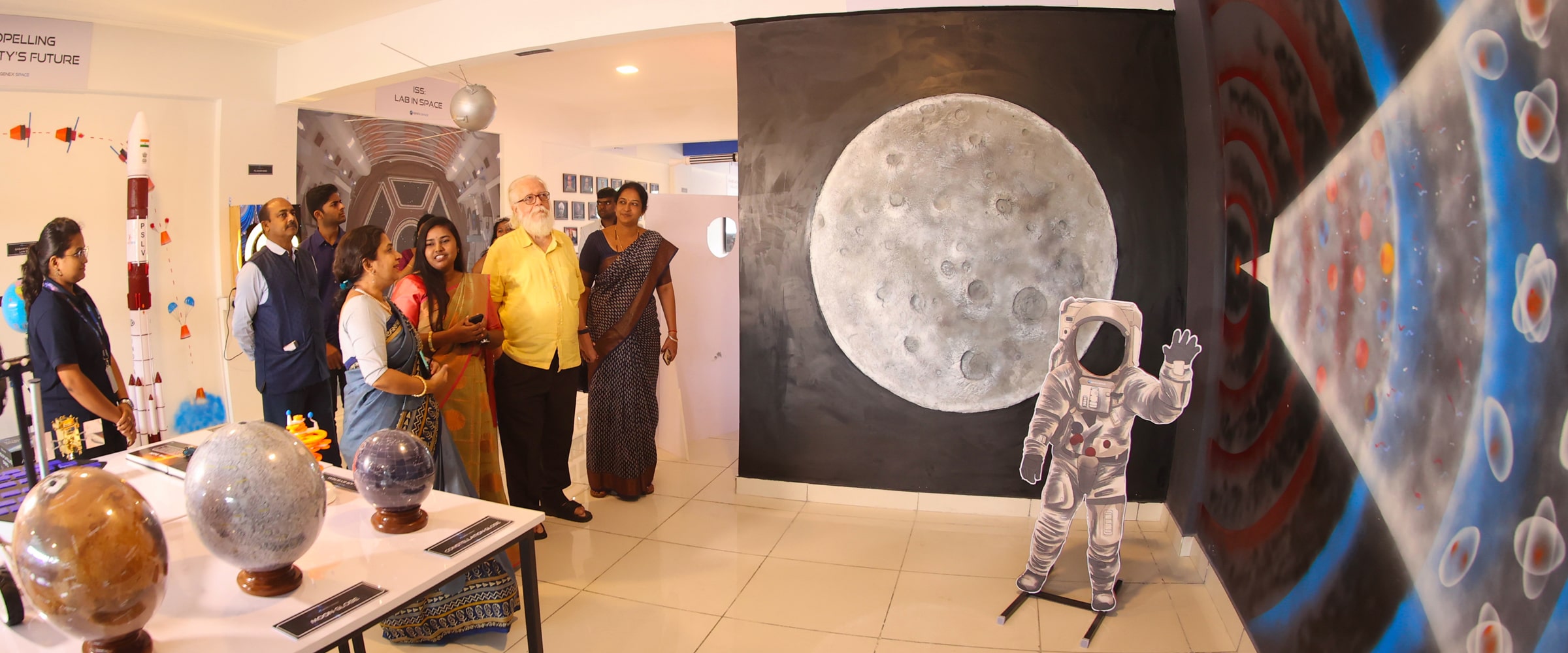
The Nambi Antariksha Kalakshetra lab, developed in collaboration with Genex Space Programme, promotes a "Tailored Space Education Programme" exposing students to astronomy, space science, and related concepts. This unique facility at Vishwa Vidyapeeth Magadha School Varthur demonstrates willingness to venture into specialized educational domains that few schools attempt, providing students with rare opportunities to engage with space science through structured programming and appropriate resources.
Space education facilities might include telescopes, planetarium equipment, models of celestial bodies and spacecraft, interactive displays explaining astronomical phenomena, and digital resources for virtual space exploration. Such specialized infrastructure reflects institutional ambition to inspire students with frontier sciences that capture imagination while developing scientific thinking and wonder about our universe.
Sports Philosophy and Infrastructure
Maximum Participation Over Elite Competition
The sports infrastructure at Vishwa Vidyapeeth Varthur reflects a philosophy emphasizing inclusivity and personal growth over narrow competitive focus. The school highlights maximum participation, personal excellence, and individual aspiration with goals of nurturing healthy competition, teamwork, and self-esteem. The curriculum encourages foundational engagement in sports during primary years, leading to greater focus and specialization in middle and secondary school—aligning with a "fitness-first" mindset over purely competitive drive.
This philosophical approach requires infrastructure supporting broad participation rather than just elite teams. Facilities must accommodate multiple sports simultaneously, provide appropriate equipment for various skill levels, include spaces for beginners to learn without intimidation, and offer variety ensuring that every child finds physical activities matching their interests and abilities. The campus at Vishwa Vidyapeeth Magadha School delivers this infrastructure, with coaching and facilities for skating, cricket, football, basketball, volleyball, taekwondo, table tennis, yoga, carrom, and chess.
Comprehensive Sports Facilities
The photographic evidence and facility descriptions reveal comprehensive sports infrastructure including skating rinks, volleyball courts, football and basketball areas specifically designed for these sports. Pre-primary playgrounds provide age-appropriate equipment and safe surfaces for youngest students to develop gross motor skills, coordination, and confidence through play. This segregation ensures safety while providing developmentally appropriate physical challenges at every age.
Indoor sports facilities at Vishwa Vidyapeeth Varthur support table tennis, chess, carrom, gymnastics, and other activities, ensuring that physical education continues regardless of weather conditions and providing options for students whose interests lie in individual sports, games of strategy, or less physically demanding activities. This inclusivity in sports infrastructure recognizes that physical education encompasses more than just team sports and high-intensity athletics.
Dedicated Yoga Room and Wellness
A dedicated Yoga Room forms part of the school's facilities, with yoga included in the range of activities offered across grade levels. This provision at Vishwa Vidyapeeth Magadha School Varthur recognizes that physical wellness extends beyond competitive sports to include flexibility, mindfulness, stress management, and mind-body connection. Daily fitness routines include free-hand exercises and meditation before assembly, reinforcing holistic health as part of regular school rhythm rather than isolated wellness programming.
The yoga room infrastructure likely includes appropriate flooring, ventilation, mirrors for posture checking, storage for mats and props, and peaceful ambiance conducive to mindfulness practices. Such dedicated spaces signal institutional commitment to comprehensive wellness rather than treating yoga as an afterthought squeezed into multipurpose rooms.
Arts and Cultural Infrastructure
Music and Dance Facilities
Pre-Primary and Primary wings at Vishwa Vidyapeeth Varthur include dedicated Music Lab and Dance Lab spaces designed to immerse young learners in creative domains from their earliest years. These specialized facilities are listed explicitly as part of foundational offerings, indicating that arts aren't supplementary additions but core components of early education.
The Art Department at Vishwa Vidyapeeth Magadha School specializes in Visual Arts and Performing Arts encompassing Music, Drama, and Dance, supported by infrastructure and practices aligned with international standards. This comprehensive approach provides students with multiple creative outlets, recognizing that artistic intelligence manifests differently across individuals—some excel in visual expression, others in movement, still others in music or theatrical performance.
Art and Craft Spaces
The Art and Craft room available across levels provides a dedicated space where students explore visual arts through activities like painting, crafts, and hands-on creative expression. The mention of a specialized Art Department spanning both visual and performing arts indicates institutional focus on providing adequate space and resources for artistic exploration at Vishwa Vidyapeeth Varthur.
Art rooms require specific infrastructure—appropriate lighting, water sources for cleanup, storage for materials and works-in-progress, display space for showcasing student work, ventilation for materials producing fumes, and surfaces suitable for messy creative work. Investment in proper art facilities demonstrates recognition that creativity requires appropriate environments and can't be effectively taught in standard academic classrooms lacking these specialized resources.
Audio-Visual Room for Performances
The state-of-the-art Audio-Visual Room serves multiple purposes including performances, multimedia presentations, and artistic showcases. This facility at Vishwa Vidyapeeth Magadha School Varthur provides a proper venue for student performances, parent presentations, visiting programs, and multimedia learning activities requiring projection systems, sound equipment, and audience seating.
Having dedicated performance spaces matters profoundly for arts education. Students need opportunities to present work to audiences, developing confidence and understanding that creative work achieves full meaning through sharing. The AV room infrastructure—likely including stage areas, lighting, sound systems, projection capabilities, and tiered or arranged seating—enables these essential performance experiences.
Unique Experiential Learning Spaces
Urban Farming Zone: Environmental Education in Action
The designated Urban Farming zone represents one of the most distinctive infrastructure features at Vishwa Vidyapeeth Varthur. Students engage hands-on in preparing soil, sowing seeds, composting, irrigation, and harvesting—gaining real exposure to organic farming principles and sustainable practices. This working farm on campus at Vishwa Vidyapeeth Magadha School transforms environmental education from abstract lessons to tangible experiences where children literally get their "hands dirty" developing understanding of where food comes from, how ecosystems function, and why sustainable practices matter.
The urban farming infrastructure requires significant space, soil preparation, water systems, composting facilities, tool storage, protective fencing, and ongoing maintenance. Some produce from this garden supplies the school's own kitchen, creating closed loops demonstrating sustainability principles while providing fresh, organic ingredients for student meals. This integration of farming into campus life provides daily encounters with environmental responsibility rather than isolated lessons.
Theatre-in-Education Programs
The school integrates theatre-in-education, cultivating creativity, self-awareness, expression, and empathy through drama and performance-based learning. This requires appropriate spaces at Vishwa Vidyapeeth Varthur—possibly the AV room or dedicated drama spaces—where students can rehearse, develop characters, explore emotions through role-play, and present performances.
Theatre education demands flexible spaces that can transform into different settings, storage for costumes and props, lighting for creating moods, and acoustics supporting voice projection. The institutional commitment to theatre-in-education indicates understanding that dramatic arts develop competencies—public speaking, empathy, collaboration, creative thinking—that extend far beyond stage performance into general life skills.
Environment Study Field Experiences
Through the Environment Study program, students actively participate in activities deepening environmental awareness including presentations and bulletin boards showcasing environmental research. Workshops cover recycling, pollution control, and conservation of natural and cultural heritage. Organized field trips to forests, bird sanctuaries, river fronts, water works, and farms provide outdoor, immersive learning experiences connecting classroom concepts to real ecosystems.
While field trips technically occur beyond campus infrastructure, the organizational capacity, transportation resources, and safety protocols enabling such excursions represent significant institutional infrastructure at Vishwa Vidyapeeth Magadha School Varthur. Schools must maintain relationships with field trip destinations, arrange appropriate transportation, ensure adequate supervision ratios, prepare educational materials, contextualize visits, and manage logistics—all requiring substantial organizational infrastructure beyond physical facilities.
Transportation Infrastructure and Safety
In-House Fleet with Advanced Safety Systems
Vishwa Vidyapeeth Magadha School operates its own fleet of well-maintained buses with no third-party involvement, ensuring direct control over vehicle quality, driver training, and safety protocols. These buses are equipped with GPS tracking enabling real-time location monitoring, speed governors limiting maximum speeds, seat belts for passenger safety, First Aid boxes for medical emergencies, and CCTV systems recording journeys.
Each bus includes a lady attendant supervising students during travel, and many teachers travel by bus as well, providing familiar adult presence and additional supervision. The service operates from fixed common pickup and drop-off points rather than door-to-door service, with parents encouraged to speak with transport coordinators about feasible routes or points. This transportation infrastructure at Vishwa Vidyapeeth Varthur addresses parents' significant concerns about daily commute safety, providing multiple safety layers from technology systems to human supervision.
Health and Nutrition Infrastructure
In-House Kitchen and Dining Facility
The well-maintained, hygienic in-house kitchen delivers mandatory vegetarian lunches to all students, with meals carefully planned to offer balanced, nutritious, and tasty diets. Portions are age-appropriate and menus are communicated weekly to parents via school app. Some food served is sourced from the school's own garden, promoting freshness and sustainability while teaching students about farm-to-table concepts.
Senior students are encouraged to serve their own food, fostering responsibility and ownership. Food wastage is discouraged, with students advised to clear their plates as a way of learning about resource respect. This dining infrastructure and philosophy at Vishwa Vidyapeeth Magadha School Varthur transforms meals from mere sustenance into educational opportunities developing healthy eating habits, social skills through shared meals, understanding of nutrition, and values around food waste.
Infirmary and Medical Support
The well-equipped infirmary staffed by school nurses and supported by on-call doctors available whenever students are on campus manages immediate first aid and health needs in-house. In emergency situations, the school contacts parents immediately and, if necessary, takes students to nearby hospitals with parental consent.
Medical infrastructure requires more than just a room—it needs proper equipment, supplies, medications, comfortable spaces for ill children to rest, refrigeration for temperature-sensitive items, communication systems for contacting emergency services and parents, and trained personnel capable of assessing symptoms and providing appropriate care. The presence of this infrastructure at Vishwa Vidyapeeth Varthur provides parents with peace of mind that minor injuries and illnesses receive prompt professional attention without requiring immediate parental presence.
Sustainability and Environmental Initiatives
Comprehensive Green Infrastructure
Vishwa Vidyapeeth has developed an eco-friendly, self-sustaining campus integrating multiple sustainability initiatives. Organic farming utilizing zero fertilizers reduces carbon footprint. Zero waste management implements practices minimizing waste generation. Rainwater harvesting collects and stores rainwater for campus use. Grey water farming uses treated greywater for agricultural purposes. Dry leaf composting converts leaves into soil-enriching compost. Mulching retains soil moisture and suppresses weeds.
These initiatives at Vishwa Vidyapeeth Magadha School Varthur reflect institutional commitment to environmental stewardship beyond token gestures. Implementing such systems requires significant infrastructure investment—water collection and storage systems, treatment facilities, composting areas, organic gardens, irrigation systems—plus ongoing maintenance and monitoring. The integration of these sustainability features teaches students through daily examples that environmental responsibility requires systematic approaches and sustained commitment.
"Go Green" Educational Programs
The "Go Green" initiative encourages composting, planting, and use of organic practices to instill environmental awareness. Environment Study programs include bulletin boards, expert talks, workshops on recycling, pollution control, and conservation, plus field trips to natural sites fostering environmental stewardship. The urban farming zone itself serves as a distinct, hands-on environmental learning feature integrated into campus life.
This multi-layered approach to environmental education at Vishwa Vidyapeeth Varthur ensures that sustainability isn't isolated to science classes but permeates campus operations, daily routines, and student consciousness. Children learn that environmental responsibility isn't abstract future concern but immediate present practice affecting their daily lives and community.
Cleanliness, Hygiene, and Maintenance Standards
Systematic Cleanliness Protocols
The school maintains high standards for cleanliness and hygiene across campus through hygienic infrastructure including safe drinking water availability and clean environments upheld through proper waste management. Regular waste disposal management ensures hygienic learning spaces. Fire safety is actively maintained via strategically placed fire extinguishers in corridors and laboratories requiring ongoing inspection and maintenance.
Beyond physical infrastructure, Vishwa Vidyapeeth Magadha School Varthur enforces uniform and personal grooming standards contributing to overall hygiene culture. Students must wear clean, neatly pressed uniforms. Boys maintain neat haircuts; girls with long hair use black ribbons. Nails must be trimmed, and shoes clean and polished. Jewelry, mehndi, and fingernail art are discouraged. While these grooming standards might seem traditional or strict, they establish discipline, equality, and hygiene consciousness that benefits the entire school community.
Technology Infrastructure Supporting Learning
VVPiLearn Digital Platform
Beyond physical infrastructure, the school embraces digital learning initiatives through VVPiLearn, which incorporates pre-recorded videos and lesson planners supporting conceptual learning across subjects including arts, crafts, music, and sports. During lockdowns, the school developed pre-recorded video lessons enabling continuity, with repeated access allowing students and more flexible learning for parents and teachers.
This digital infrastructure at Vishwa Vidyapeeth Varthur requires substantial backend systems—video production capabilities, content management platforms, hosting infrastructure, app development and maintenance, bandwidth for streaming, and ongoing content updates. The investment demonstrates understanding that modern education increasingly requires digital dimensions complementing physical spaces, especially for continuity during disruptions and personalized learning pacing.
Comparative Advantages and Distinguishing Features
Infrastructure Value Proposition
Vishwa Vidyapeeth Varthur is widely cited as one of the best CBSE schools in Whitefield, known for offering world-class infrastructure at a relatively affordable fee structure. Features include smart classrooms, in-house kitchen, well-stocked library, science and computer labs, and spacious outdoor areas for play and learning.
The school distinguishes itself through 500 digitally enabled classrooms, robust transport services, vast library resources exceeding 100,000 books across the network, and a student-teacher ratio of 1:10—an exceptional level of individual attention further enhancing appeal compared to other institutions. This combination of comprehensive infrastructure and accessible pricing at Vishwa Vidyapeeth Magadha School Varthur creates compelling value propositions for families seeking quality education without prohibitive costs.
Unique Program Infrastructure
VVP Varthur sets itself apart through specialized infrastructure supporting unique programs. STEM, Robotics, and Space-focused initiatives with dedicated labs like Madhava Ganitha Kalakshetra, STEM Zone, robotics programs, and partnership with Genex Space provide exceptional hands-on learning opportunities. The holistic life-skills curriculum includes unique offerings such as organic farming, clay modeling, woodwork, cooking, public speaking, theatre, and Taekwondo—requiring diverse specialized spaces and equipment.
The strong cultural and value-based ethos embracing Guru-Shishya Parampara weaves Indian traditions into modern learning. Unique initiatives like "Mother on Duty" involving parents in campus oversight demonstrate innovative approaches to community engagement. Student Exchange Programmes and leadership training initiatives require organizational infrastructure supporting international connections and structured leadership development at Vishwa Vidyapeeth Varthur.
Infrastructure Impact: Student Achievements and Parent Feedback
Academic and Leadership Success
Students actively serve in leadership positions such as Head Boy/Girl and House Captains, with class toppers across grades 1-10 celebrated in recent academic years. These achievements reflect not just individual student capabilities but also how infrastructure supports excellence—proper learning spaces, technology access, library resources, teacher support enabled by manageable class sizes, and enrichment programs developing leadership alongside academics.
Sports accomplishments at Vishwa Vidyapeeth Magadha School Varthur include students winning multiple Gold, Silver, and Bronze medals in Taekwondo Championships organized in collaboration with Phoenix Taekwondo Academy and Karnataka Taekwondo. These victories demonstrate that sports infrastructure and coaching programs effectively develop competitive capabilities, not just recreational participation.
Parent Testimonial Validation
Parent testimonials highlight strong emphasis on co-curricular development, good academic methodology, and healthy food habits—all directly enabled by infrastructure described throughout this article. Effective response from school staff and smooth transport service reflect operational excellence in managing transportation infrastructure. Encouragement from structured small-topic tests and co-curricular flexibility that doesn't impact academics demonstrates how physical infrastructure supports balanced educational approaches.
Conclusion: Infrastructure Enabling Educational Vision
The comprehensive infrastructure at Vishwa Vidyapeeth Magadha School's Varthur campus represents far more than buildings and equipment—it embodies educational philosophy translated into tangible reality. The seven-acre campus thoughtfully zoned for academics, sports, arts, and environmental learning provides children with diverse spaces supporting multifaceted development. Advanced safety systems address parents' fundamental concerns about child security. Specialized facilities from STEM zones to urban farming areas to dedicated arts spaces enable experiential learning that transcends textbook knowledge.
The 500 digitally enabled classrooms, exceptional 1:10 student-teacher ratio, comprehensive sports facilities, in-house dining, robust transportation infrastructure, and systematic attention to safety, hygiene, and sustainability create environments where children don't just attend school but truly thrive. For families in Varthur, Whitefield, and surrounding Bangalore areas seeking schools that balance academic rigor with holistic development, world-class facilities with accessible pricing, and traditional values with modern pedagogies, the infrastructure at Vishwa Vidyapeeth Magadha School Varthur delivers comprehensive solutions supporting children's complete growth.
Schedule a campus visit to experience firsthand how these facilities create daily learning environments where every child's potential—intellectual, physical, emotional, social, ethical, artistic, and cultural—receives appropriate stimulus and support. Observe the digitally enabled classrooms in action, tour the specialized labs and studios, watch students engaged in urban farming or sports, and envision your child learning, growing, and flourishing within infrastructure designed specifically to nurture the "perfection already in man" that Swami Vivekananda described and Vishwa Vidyapeeth strives to manifest.
Note: Blogs by Yellow Slate are written based on information, knowledge and perspective of the writer. While every caution has been taken to provide readers with accurate information, please use your discretion before taking any decisions based on the information in this blog. In case you find any information that is factually wrong or something that could be made better, please write to us at contact@yellowslate.com.
Curious about how we arrived at this list? We believe parents deserve full transparency on how schools are evaluated and selected. to understand our school selection methodology.


