NEP 2020 in Action: How Bhai Parmanand Vidya Mandir is Transforming Education in Delhi
Educational reforms often remain confined to policy documents and government circulars, rarely translating into meaningful classroom changes. However, when parents in Anand Vihar and East Delhi search for schools that genuinely embrace progressive educational approaches, Bhai Parmanand Vidya Mandir stands as a beacon of authentic transformation. The school has moved beyond merely acknowledging the National Education Policy 2020 to actively implementing its visionary reforms, creating a learning environment where students thrive through modernized evaluation systems, holistic development, and skill-based learning.
For decades, Bhai Parmanand Vidya Mandir has been inspired by the ideals of the fearless freedom fighter, philosopher, and educationist Bhai Parmanand, who traveled extensively to propagate ancient Vedic philosophy while celebrating Indian culture. This foundation of balancing tradition with progress has positioned the school perfectly to embrace NEP 2020's transformative vision. Moreover, the institution's commitment to developing responsible global citizens who remain proud of their motherland aligns seamlessly with the policy's emphasis on rooting education in Indian values while preparing students for a globalized world.
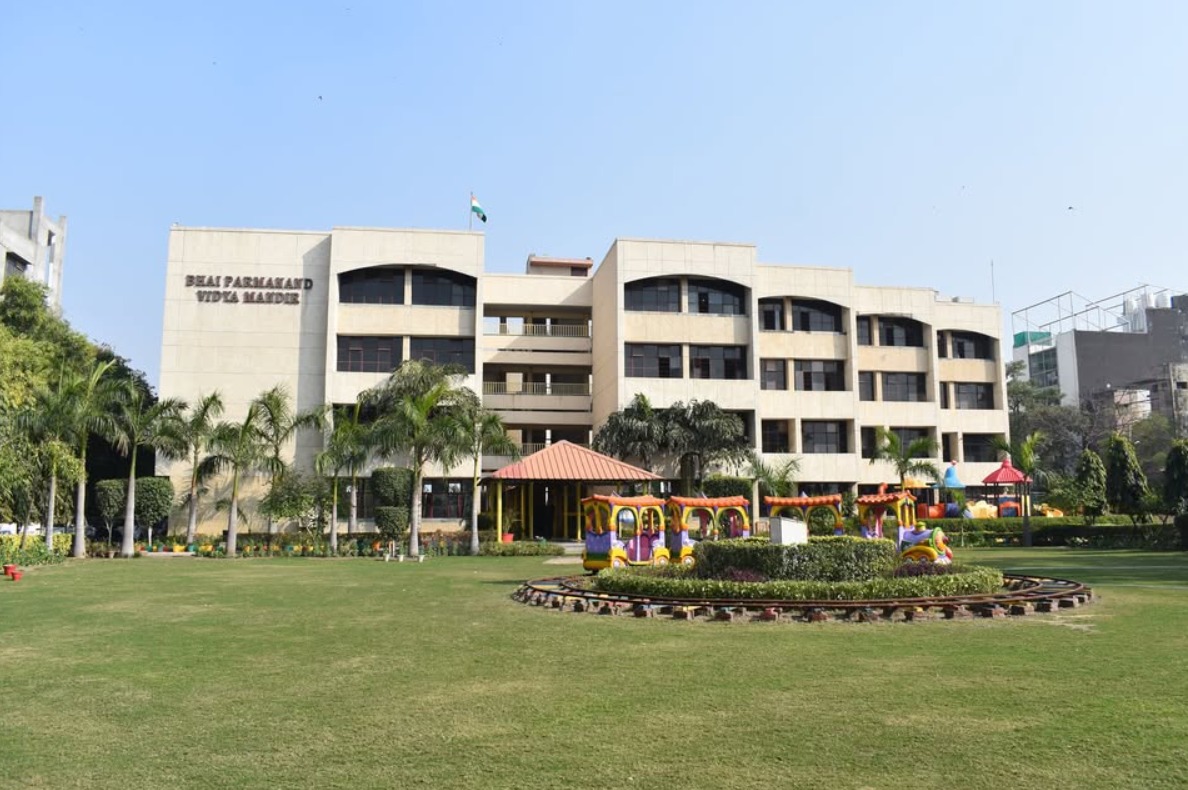
Understanding Bhai Parmanand Vidya Mandir's Progressive Educational Philosophy
Before exploring how Bhai Parmanand Vidya Mandir implements NEP 2020, it's essential to understand the school's foundational philosophy that made this transition natural rather than forced. The institution has always recognized that children should develop into responsible national citizens while simultaneously becoming capable world citizens in an era of irreversible globalization. This dual focus on local roots and global competence creates the perfect foundation for NEP 2020's holistic educational approach.
The school's comprehension of integrated personality development—combining educational tools, sports facilities, and co-curricular programs—mirrors NEP 2020's vision of moving beyond rote learning toward comprehensive skill development. Furthermore, the emphasis on cultivating a sense of duty and selfless service aligns with the policy's goal of developing not just academically proficient students but ethically grounded individuals ready to contribute meaningfully to society. Consequently, when NEP 2020 guidelines arrived, Bhai Parmanand Vidya Mandir didn't need to reinvent its approach—it simply formalized and enhanced practices already woven into its educational DNA.
What is NEP 2020? Understanding the National Education Policy
The National Education Policy 2020 represents India's most comprehensive educational reform in over three decades. This forward-thinking policy aims to transform the Indian education system from a predominantly examination-focused model to one that emphasizes conceptual understanding, critical thinking, creativity, and multidisciplinary learning. At its core, NEP 2020 envisions education that prepares students not merely to succeed in examinations but to navigate complex real-world challenges with confidence and competence.
Key pillars of NEP 2020 include reducing curriculum load to allow deeper learning, moving from summative to formative assessment, integrating arts and sports into core academics rather than treating them as peripheral activities, and developing skills across cognitive, social-emotional, and psychomotor domains. Additionally, the policy emphasizes experiential learning, project-based activities, and continuous comprehensive evaluation that assesses students' growth across multiple dimensions rather than through a single high-stakes examination. For parents researching best schools in Delhi, understanding which institutions genuinely implement these reforms versus those merely paying lip service becomes crucial.
Bhai Parmanand Vidya Mandir NEP 2020 Implementation: A Grade-by-Grade Approach
What sets Bhai Parmanand Vidya Mandir apart is its thoughtful, phase-wise implementation of NEP 2020 reforms tailored to different developmental stages. The school recognizes that younger children require different evaluation approaches compared to adolescents preparing for board examinations, and its curriculum structure reflects this nuanced understanding.
Early Years Foundation: Continuous and Comprehensive Evaluation for Classes I-II
For the youngest learners in Classes I and II, Bhai Parmanand Vidya Mandir maintains a Continuous and Comprehensive Evaluation (CCE) pattern that aligns with NEP 2020's emphasis on stress-free, age-appropriate assessment. Students are evaluated on a five-point grading system that eliminates the pressure of marks and percentages, allowing children to develop foundational skills without anxiety. This approach recognizes that early childhood education should focus on building curiosity, confidence, and love for learning rather than creating competitive pressure.
The curriculum in these primary grades is divided into two terms—Term I spanning April to September and Term II covering October to March—providing natural breaks that prevent overwhelming young minds with excessive content. Moreover, this structure allows teachers to assess developmental progress continuously rather than relying solely on final examinations. The CCE pattern ensures that every child receives personalized attention and support based on their individual learning pace and style, perfectly embodying NEP 2020's student-centric philosophy.
Middle School Transformation: NEP 2020 for Classes III-X
Here's where Bhai Parmanand Vidya Mandir's commitment to educational innovation becomes particularly evident. For Classes III through X, the school has implemented what it describes as the "new remodeled system of evaluation (NEP 2020)," moving decisively beyond traditional assessment approaches. This represents a significant transformation in how student learning is measured, valued, and supported throughout the crucial middle and secondary school years.
Students in Classes III to VIII are assessed through a comprehensive system that balances terminal examinations with continuous internal assessments. Final evaluation is based on a combination of Mid-Term Examinations, Annual Examinations, and Internal Assessments—ensuring that a single test doesn't determine a child's academic trajectory. Furthermore, Internal Assessments include diverse components that evaluate different skill dimensions: attendance tracking discipline and commitment, subject enrichment measuring depth of understanding, project-based activities assessing application and creativity, portfolios documenting learning journeys, multiple assessments capturing ongoing progress, class tests evaluating regular comprehension, and periodic unit tests checking mastery of specific topics.
This multifaceted evaluation approach at Bhai Parmanand Vidya Mandir aligns with NEP 2020's vision of recognizing that intelligence manifests in multiple forms. A student who struggles with written tests might excel in project work or creative presentations, and the evaluation system ensures such talents receive due recognition. Additionally, the school maintains that 100% of the syllabus is covered for Annual Examination in Classes IX and X, ensuring comprehensive preparation for board examinations while maintaining continuous assessment throughout the year.
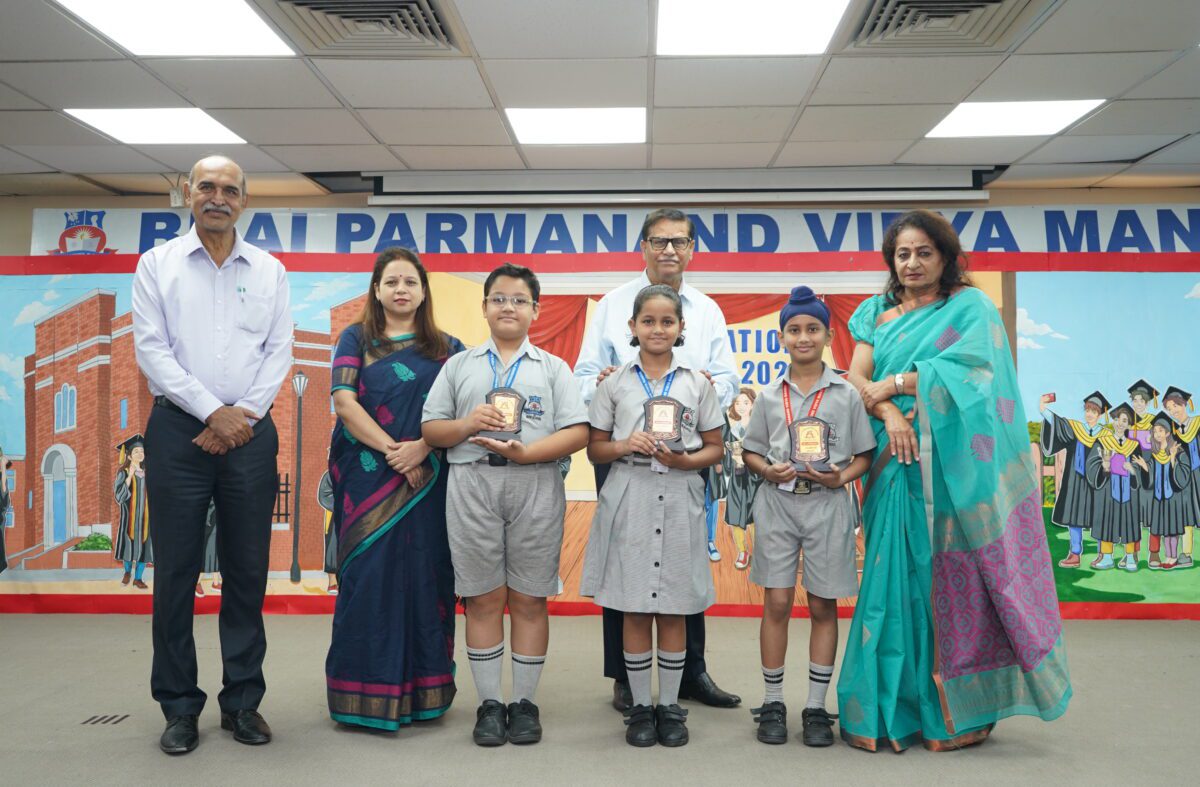
Holistic Development: Beyond Academics in the NEP 2020 Framework
One of NEP 2020's most transformative aspects is its insistence that education must develop the whole child—intellectually, emotionally, socially, physically, and ethically. Bhai Parmanand Vidya Mandir has embraced this vision wholeheartedly, creating an environment where sports, arts, cultural activities, and character development receive equal importance alongside mathematics and science.
The school's remarkable achievement of winning the Overall Sports Championship consecutively for seven years demonstrates genuine commitment to physical development rather than token sports periods. Similarly, securing the Overall Cultural Championship trophy for seven consecutive years proves that artistic and creative expression aren't afterthoughts but integral components of the educational experience. These achievements reflect the school's understanding that participation in sports builds resilience, teamwork, and strategic thinking, while cultural activities develop creativity, confidence, and cultural awareness—all skills that NEP 2020 recognizes as essential for 21st-century success.
Moreover, the evaluation system's inclusion of subject enrichment and project-based activities ensures that learning extends beyond textbooks into real-world applications. Students engage in hands-on projects that require research, collaboration, problem-solving, and presentation skills—exactly the kind of experiential learning that NEP 2020 advocates. Consequently, children develop not just theoretical knowledge but practical abilities to apply their learning in meaningful contexts.
Stream Flexibility and Subject Choices: Empowering Student Agency
For Classes XI and XII, Bhai Parmanand Vidya Mandir offers students comprehensive options across three major streams, embodying NEP 2020's emphasis on flexibility and choice in education. The Science stream includes English Core, Mathematics, Physics, Chemistry, and options like Biology, Computer Science, Physical Education, Informatics Practices, Psychology, or Home Science. Commerce students can combine English Core, Economics, Accountancy, and Business Studies with electives including Mathematics, Informatics Practices, or Physical Education. The Humanities stream offers English, Political Science, and choices among Home Science, Sociology, Psychology, Economics, Fine Arts, Informatics Practices, or Physical Education.
This subject flexibility allows students to design educational pathways aligned with their interests, strengths, and career aspirations rather than being forced into rigid, predetermined combinations. Furthermore, the availability of interdisciplinary options like Informatics Practices across all three streams or Physical Education as an academic subject reflects NEP 2020's vision of breaking down artificial barriers between traditionally separate domains. Students can pursue science while developing artistic abilities, or study commerce while maintaining athletic excellence—creating well-rounded individuals rather than narrowly specialized experts.
Assessment That Reduces Pressure While Maintaining Standards
One of the most challenging aspects of implementing NEP 2020 involves maintaining academic rigor while reducing unhealthy pressure on students. Bhai Parmanand Vidya Mandir achieves this delicate balance through several thoughtful policies that protect student wellbeing without compromising educational quality.
The school strongly discourages private tuitions, recognizing that dependence on outside coaching often indicates gaps in classroom instruction or unnecessarily heightened parental anxiety. Instead, the institution ensures that comprehensive learning happens within school hours through qualified teachers, interactive methodologies, and adequate support systems. Additionally, regular Parent-Teacher Meetings provide opportunities for parents to discuss their ward's progress, understand strengths and areas needing support, and partner with teachers in the educational journey rather than outsourcing academic responsibility to coaching centers.
The passing criteria maintains reasonable standards—33% marks in each subject—ensuring students achieve fundamental competency without creating impossible hurdles. However, the school requires 75% attendance, reinforcing that consistent participation in the learning process matters more than cramming before examinations. Moreover, for students absent during tests due to sickness, the provision for marking exams as Medical Leave (ML) upon submission of medical certificates prevents unfair penalization while discouraging casual absenteeism.
Creating Responsible Citizens: Values Integration in NEP 2020
Beyond cognitive skills and academic knowledge, NEP 2020 emphasizes developing ethical, compassionate, and socially responsible citizens. This aligns perfectly with the foundational vision of Bhai Parmanand, whose ideals continue guiding Bhai Parmanand Vidya Mandir's approach to character development. The school comprehends that true education must cultivate integrated personalities characterized by a sense of duty and commitment to selfless service.
The evaluation system's inclusion of attendance as an assessment component teaches students that consistency, reliability, and commitment matter. Project-based activities often involve collaborative work, developing teamwork abilities and interpersonal skills essential for success beyond school. Furthermore, the prohibition on unfair means during examinations—with stern action including ineligibility for academic awards or school appointments—instills integrity and ethical behavior from an early age. Students learn that shortcuts and dishonesty carry consequences, preparing them to become trustworthy professionals and responsible citizens.
The school's emphasis on encouraging parents to remain in regular touch with their child's day-to-day studies through checking school diaries daily fosters triangular communication between students, parents, and teachers. This collaborative approach ensures that education becomes a shared responsibility rather than being delegated entirely to the institution, aligning with NEP 2020's vision of parental involvement in the learning process.
Why Bhai Parmanand Vidya Mandir's NEP 2020 Approach Stands Out
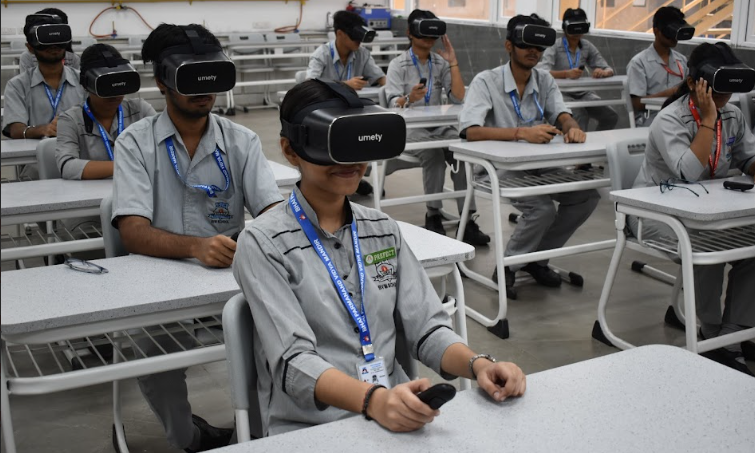
Many schools claim to follow NEP 2020 guidelines, but genuine implementation requires fundamental transformation rather than superficial changes. What distinguishes Bhai Parmanand Vidya Mandir's NEP 2020 implementation is the alignment between stated policies and actual practices, reflected in consistent championship victories, diverse subject offerings, comprehensive evaluation systems, and a school culture that values holistic development.
The differentiated approach across grade levels—maintaining CCE for younger children while implementing remodeled evaluation for older students—demonstrates thoughtful adaptation rather than one-size-fits-all implementation. Moreover, the school's historical foundation in Bhai Parmanand's vision of developing responsible global citizens while preserving cultural pride creates natural synergy with NEP 2020's emphasis on rooting education in Indian values while preparing students for global challenges.
For parents researching schools in Anand Vihar or seeking best CBSE schools in Delhi, this authentic commitment to transformative education represents a significant differentiator. Furthermore, the school's transparency about its evaluation systems, clear communication about expectations, and proven track record of championships and academic excellence provide reassurance that progressive educational approaches don't compromise academic standards—they enhance overall student development.
The Future of Education is Here: Choosing Schools That Lead, Not Follow
The implementation of NEP 2020 separates educational leaders from institutions that merely comply with regulations. Bhai Parmanand Vidya Mandir positions itself firmly in the former category, having transformed policy guidelines into lived realities that benefit students daily. The comprehensive evaluation systems, subject flexibility, holistic development emphasis, and values integration create an educational environment where children develop into well-rounded individuals ready for 21st-century challenges.
For families in East Delhi seeking schools that prepare children not just for board examinations but for life success, understanding how institutions implement NEP 2020 provides crucial insights into their educational philosophy. Schools that embrace these reforms signal commitment to student wellbeing, recognition of diverse intelligences, and willingness to evolve beyond traditional approaches that often created more anxiety than learning.
Conclusion: Where Progressive Policy Meets Educational Excellence
The National Education Policy 2020 represents a visionary blueprint for transforming Indian education, but blueprints alone don't create change—committed institutions that translate vision into action do. Bhai Parmanand Vidya Mandir demonstrates how schools can honor their historical foundations while embracing progressive reforms, maintaining academic rigor while reducing unhealthy pressure, and developing responsible citizens who excel both in examinations and in life.
The school's thoughtful implementation of NEP 2020—from CCE in early years to remodeled evaluation systems for older students, from comprehensive internal assessments to flexible subject combinations, from championship-winning sports programs to values-based character development—creates an educational ecosystem where every child can discover their potential and develop the skills needed for future success.
For parents in Anand Vihar and across Delhi who want their children to benefit from educational reforms rather than suffer through outdated systems, Bhai Parmanand Vidya Mandir offers a compelling choice. The school proves that NEP 2020 isn't an abstract policy but a practical framework for creating better educational experiences when implemented with genuine commitment and thoughtful adaptation.
If you're considering schools that lead educational transformation rather than reluctantly follow mandates, schedule a visit to Bhai Parmanand Vidya Mandir to observe NEP 2020 principles in action and envision how your child could thrive in this progressive learning environment.
Note: Blogs by Yellow Slate are written based on information, knowledge and perspective of the writer. While every caution has been taken to provide readers with accurate information, please use your discretion before taking any decisions based on the information in this blog. In case you find any information that is factually wrong or something that could be made better, please write to us at contact@yellowslate.com.
Curious about how we arrived at this list? We believe parents deserve full transparency on how schools are evaluated and selected. to understand our school selection methodology.


