Parent-Pedagogues Alliance: How Prarthana.in World School Bangalore Creates a Powerful Partnership Between Parents and Educators
When parents in Bangalore research schools for their children, they often encounter phrases like "parent involvement" or "open communication" in school brochures—well-intentioned but vague promises that rarely translate into genuine partnership. However, at Prarthana.in World School Bangalore, the concept of parent engagement transforms from passive platitude into active practice through the Parent-Pedagogues Alliance—one of six fundamental pillars in the school's distinctive PRARTHANA learning paradigm. This isn't merely about attending occasional parent-teacher meetings or receiving progress reports; it represents a revolutionary approach where parents and educators function as collaborative partners, co-creating educational experiences that honor each child's unique developmental journey. For families seeking schools where their involvement matters beyond signing permission slips, understanding this alliance reveals what genuinely collaborative education looks like in practice.
Understanding the Parent-Pedagogues Alliance: Beyond Traditional Parent Involvement
The Parent-Pedagogues Alliance at Prarthana.in World School Bangalore represents one of the six core pillars that define the school's learning paradigm, standing alongside Playful Personalized Pedagogy, Age Responsive Practices, Progressive Curriculum, Pedagogical Professionals, and Community Partnering. This elevation of parent partnership to fundamental pillar status—rather than treating it as supplementary or optional—signals institutional recognition that effective education requires genuine collaboration between home and school environments.
Furthermore, the term "pedagogues" carries significant meaning. Rather than viewing parents as outsiders or passive recipients of educational services, the alliance acknowledges parents as co-educators possessing irreplaceable knowledge about their children's personalities, learning styles, interests, challenges, and developmental histories. Teachers may have pedagogical expertise and classroom management skills, but parents contribute longitudinal understanding of their children that no educator can replicate through a few months of classroom observation. Consequently, the alliance creates framework enabling both parties to contribute their unique perspectives toward each child's optimal development.
Moreover, this alliance recognizes that children don't compartmentalize their lives into "school learning" and "home learning"—their development occurs continuously across environments. When home and school work in harmony, reinforcing consistent messages and supporting similar developmental goals, children benefit from coherent educational experiences. Conversely, when disconnect exists between home and school approaches, children often experience confusion, conflicting expectations, and fragmented development. Therefore, the Parent-Pedagogues Alliance at Prarthana World School Bangalore serves practical developmental purposes beyond mere relationship-building.
The Six Pillars of Prarthana.in's Learning Paradigm: Where Parent-Pedagogues Alliance Fits
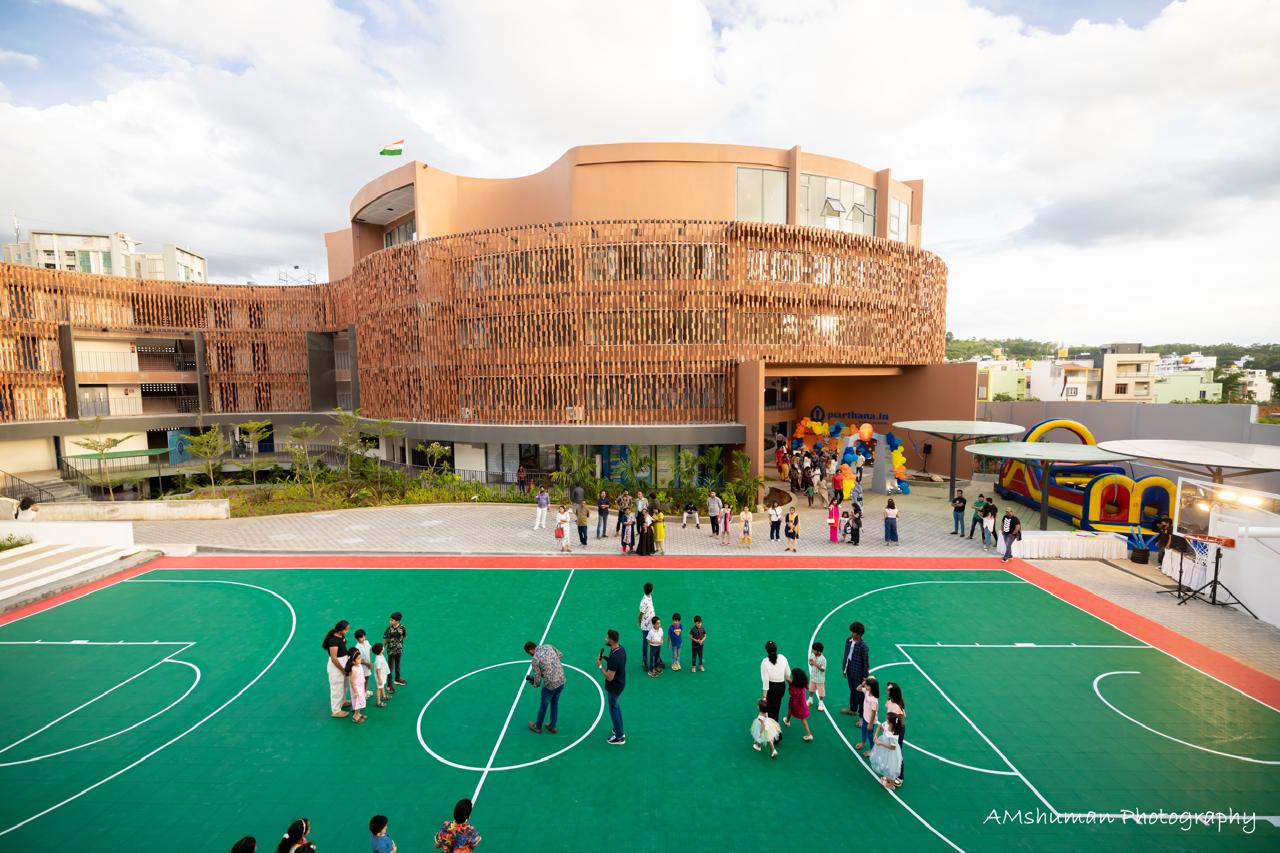
To fully appreciate the Parent-Pedagogues Alliance, understanding how it integrates with the five other pillars of Prarthana.in's learning paradigm provides essential context. These six interconnected pillars create the comprehensive framework through which Prarthana.in World School Bangalore approaches education:
Playful Personalized Pedagogy ensures that learning remains joyful, engaging, and individually tailored to each child's needs and interests. Rather than forcing all children through identical curricula at identical paces, this pillar recognizes that effective learning occurs when children engage with content that matches their developmental readiness and sparks genuine curiosity.
Age Responsive Practices acknowledge that different developmental stages require different approaches. A three-year-old nursery student learns differently from a twelve-year-old sixth grader, and effective schools adjust their methods accordingly rather than applying one-size-fits-all strategies across age groups.
Progressive Curriculum emphasizes critical thinking, interdisciplinary learning, and real-world application rather than rote memorization. The school's Cambridge IGCSE curriculum, followed consistently from the early years onward, exemplifies this progressive stance—recognizing that a coherent, inquiry-based pathway equips students with the skills and adaptability to thrive across diverse educational and career pursuits.
Pedagogical Professionals ensures that highly trained, continuously developing educators facilitate learning. Teachers at Prarthana.in function as gardeners, nurturers, mentors, coaches, friends, philosophers, and guides—roles requiring sophisticated skill sets extending far beyond basic content delivery.
Community Partnering extends the learning environment beyond school walls into broader community contexts, enabling students to understand real-world connections and develop social responsibility alongside academic knowledge.
The Parent-Pedagogues Alliance integrates seamlessly with these five pillars, creating the sixth essential component. Parents collaborate in personalized pedagogy by sharing insights about their children's learning preferences. They support age-responsive practices by understanding developmental expectations for their children's specific stages. They reinforce progressive curriculum through home conversations and activities. They appreciate and support pedagogical professionals by valuing teachers' expertise. And they participate in community partnering by engaging with broader networks supporting children's development.
What Parent-Pedagogues Alliance Looks Like in Practice
At Prarthana.in World School Bangalore, the Parent-Pedagogues Alliance manifests through multiple concrete practices that transform abstract partnership principles into daily realities shaping children's educational experiences.
Regular Communication Channels Beyond Report Cards
The alliance operates through structured communication channels that extend far beyond traditional progress reports distributed quarterly. Parents receive ongoing updates about their children's learning journeys through multiple formats—weekly newsletters highlighting classroom activities, digital platforms enabling daily glimpses into school life, and informal touchpoints facilitating quick questions or concerns before they escalate into problems.
Moreover, communication flows bidirectionally. Parents aren't merely recipients of information about what happened at school; they're invited to share observations from home that might inform teachers' approaches. When parents notice their child struggling with particular concepts, expressing unusual interest in specific topics, or experiencing emotional challenges affecting learning readiness, teachers incorporate this intelligence into their pedagogical decisions. This reciprocal information exchange enables both parties to maintain holistic awareness of each child's development rather than viewing children through the limited lens of either home or school contexts alone.
Meaningful Participation in Learning Processes
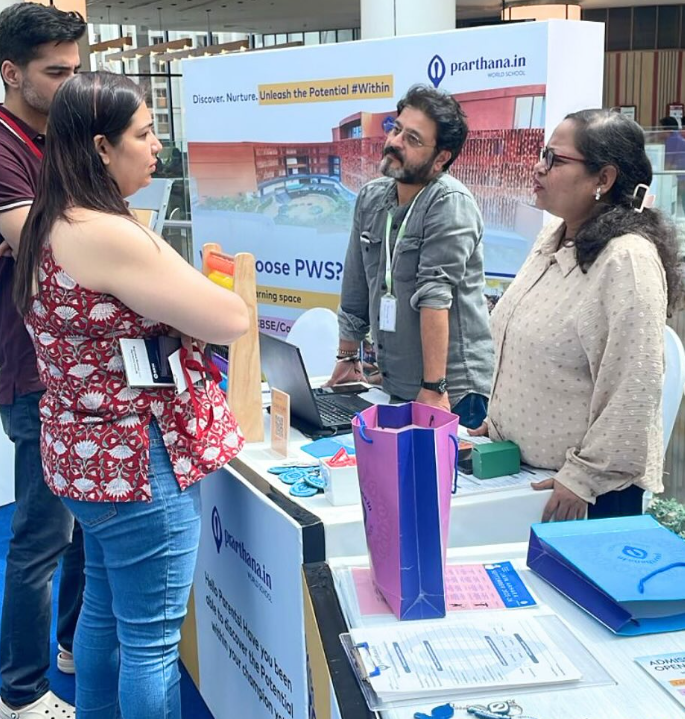
The Parent-Pedagogues Alliance invites parents into genuine participation in learning processes rather than relegating them to peripheral support roles. At Prarthana.in World School Bangalore, parents might contribute to project-based learning by sharing their professional expertise, cultural knowledge, or unique skills that enrich classroom experiences. For instance, a parent working in environmental science might collaborate with teachers on sustainability projects, while a parent with musical background could support arts integration activities.
Furthermore, parents participate in understanding pedagogical approaches through workshops, seminars, and orientation sessions that demystify educational methodologies. Rather than simply trusting that teachers know best while remaining confused about why schools do things certain ways, parents gain insight into the educational philosophies guiding classroom practices. This understanding enables parents to reinforce school approaches at home and support their children's learning more effectively because they comprehend the developmental purposes behind specific activities or assignments.
Home-School Consistency in Developmental Goals
The alliance facilitates alignment between home and school regarding developmental priorities and approaches. When schools emphasize growth mindset—as Prarthana.in does through comparing students to their individual growth charts rather than to peers—parents learn to adopt similar language and attitudes at home. When schools incorporate mindful pauses, reflective practices, and purposeful movement into daily schedules, parents understand these aren't frivolous additions but essential components of holistic development deserving support through complementary home practices.
Additionally, the alliance addresses challenges collaboratively. When children struggle academically, behaviorally, or socially, parents and teachers work as unified team diagnosing issues, developing intervention strategies, and monitoring progress together. This collaborative problem-solving proves far more effective than situations where schools and families operate independently, potentially implementing contradictory approaches that confuse children or undermine each other's efforts.
Connecting to Prarthana's PRARTHANA.IN Principles
The Parent-Pedagogues Alliance doesn't operate in isolation but connects intimately to all ten principles comprising Prarthana's distinctive PRARTHANA.IN framework that guides the school's educational philosophy:
Personal Wellbeing benefits when parents and teachers collaborate to support children's mental and physical health. Parents share concerns about stress, anxiety, or behavioral changes, while teachers provide perspectives on peer relationships and school-based challenges, enabling comprehensive wellness support.
Rooted in Culture deepens when parents actively participate in cultural celebrations and share family traditions, languages, and heritage with school communities, enriching all students' understanding of India's diverse cultural landscape.
Autonomy develops appropriately when parents and teachers maintain consistent approaches to student choice, independence, and decision-making, avoiding situations where children experience radically different expectations for autonomy at home versus school.
Reflective Practices extend beyond school when parents encourage home-based reflection through dinner conversations, journaling support, and discussions about daily experiences, reinforcing the reflective habits cultivated in classrooms.
Thinking Classroom connects to homes where parents value questions over answers, encourage problem-solving rather than providing immediate solutions, and engage children in meaningful intellectual conversations that extend classroom inquiry.
Habits form more reliably when home and school reinforce consistent routines, expectations, and character development practices rather than sending mixed messages about discipline, organization, or ethical behavior.
Aesthetic Experience enriches when parents expose children to arts, culture, and beauty beyond school programming, attending concerts, visiting museums, and providing home environments valuing creative expression.
Nature connection strengthens through family outdoor activities, gardening projects, and environmental stewardship practices that complement school-based nature education and outdoor learning experiences.
Altruism develops more authentically when families model community service, discuss social responsibility, and participate in service activities alongside school-based initiatives teaching compassion and civic engagement.
Pause becomes lifestyle when parents respect children's need for downtime, resist over-scheduling, and model mindful living that complements school practices encouraging rest, reflection, and balanced pacing.
Inquiry Mindset flourishes in homes where curiosity receives encouragement, questions earn respect, and exploration feels safe—attitudes parents consciously cultivate when understanding schools' inquiry-based approaches.
Nutrition benefits from home-school partnership ensuring consistent messages about healthy eating, with parents reinforcing school nutrition education through meal planning, cooking involvement, and family food discussions.
Why the Parent-Pedagogues Alliance Matters: Benefits for Children
The Parent-Pedagogues Alliance at Prarthana.in World School Bangalore produces tangible benefits extending far beyond warm feelings about school-family relationships. Research consistently demonstrates that genuine parent-school partnerships improve student outcomes across multiple dimensions.
Academic Achievement Enhancement
Children whose parents and teachers work collaboratively demonstrate stronger academic performance. When parents understand classroom expectations, reinforce learning at home, and provide environments supporting homework completion, children's academic achievement improves measurably. Furthermore, when teachers access parent insights about children's learning preferences, home study conditions, or subject-specific struggles, they can adjust instruction more effectively than when operating without this contextual information.
Social-Emotional Development Support
The alliance proves particularly valuable for social-emotional development. Parents notice emotional patterns, friendship challenges, or behavioral changes that might not surface in school contexts, while teachers observe peer dynamics, group interactions, or classroom behaviors parents never witness. Sharing these complementary perspectives enables comprehensive understanding of children's social-emotional needs and coordinated support addressing challenges before they escalate into serious problems.
Consistency and Security
Children thrive when experiencing consistent expectations, similar values, and aligned approaches across home and school environments. This consistency provides psychological security—children know what behaviors earn approval, what efforts receive recognition, and what support they can expect when facing difficulties. Conversely, children experiencing radical disconnect between home and school often develop anxiety, confusion about expectations, or strategic behaviors where they present different personas in different settings rather than developing authentic integrated identities.
Advocacy and Individualization
The alliance ensures children receive appropriate individualization matching their unique needs. Parents serve as their children's primary advocates, and when working collaboratively with teachers who share commitment to optimal outcomes, this advocacy proves most effective. Teachers might identify learning differences, developmental delays, or exceptional talents requiring specialized support, while parents provide historical context and home observations confirming or clarifying teachers' assessments. This collaborative identification and support planning serves children far better than situations where either party operates unilaterally.
What Parents Should Expect and Contribute
For families considering Prarthana.in World School Bangalore or already enrolled, understanding both expectations and opportunities within the Parent-Pedagogues Alliance helps maximize its benefits.
Expectations Parents Can Hold
Parents should expect regular, substantive communication extending beyond superficial updates. They should anticipate invitations to participate meaningfully in school life through volunteer opportunities, expertise sharing, or event involvement. They should expect teachers who value parent input, respond to concerns seriously, and welcome collaboration rather than viewing parents as intrusions into professional territory. Additionally, parents should expect transparency about educational approaches, access to information about curriculum and assessment, and respect for their intimate knowledge of their children.
Contributions Parents Should Offer
Simultaneously, the alliance requires parent contributions. Parents should maintain open communication, responding promptly to teacher outreach and proactively sharing relevant information about home circumstances affecting children's school readiness. They should attend parent-teacher conferences prepared with questions, observations, and willingness to discuss both celebrations and concerns honestly. Parents should support homework completion, reinforce school values at home, and follow through on agreed-upon strategies addressing challenges. Moreover, parents should participate in school events, volunteer when possible, and engage with broader school community in ways demonstrating to children that education matters and deserves family investment.
Respecting Professional Boundaries
While the alliance emphasizes partnership, it also requires respecting appropriate boundaries. Teachers possess pedagogical expertise parents typically lack, and the alliance works best when parents trust professional judgment about instructional decisions while contributing their unique child-specific knowledge. Parents shouldn't attempt to dictate curriculum, teaching methods, or classroom management approaches, but they can certainly ask questions, seek clarifications, and raise concerns when approaches seem misaligned with their children's needs. The partnership thrives on mutual respect—parents respecting teachers' professional expertise while teachers respect parents' irreplaceable knowledge of their own children.
Practical Tips for Maximizing the Parent-Pedagogues Alliance
For parents at Prarthana.in World School Bangalore, several practical strategies maximize alliance benefits:
Attend orientation sessions and workshops where schools explain educational approaches, developmental expectations, and home support strategies. These sessions provide valuable context making ongoing communication more meaningful.
Respond promptly to teacher communications, demonstrating that you value the partnership and prioritize your child's education sufficiently to engage actively rather than passively receiving information.
Share relevant information proactively rather than waiting for teachers to discover challenges through trial and error. If your child experiences anxiety about specific situations, has particular learning preferences, or faces home circumstances affecting school performance, communicating this information enables teachers to adjust approaches appropriately.
Ask questions when confused about assignments, approaches, or rationales rather than assuming teachers' decisions lack sound reasoning. Often, understanding the developmental purposes behind activities transforms confusion into appreciation and enables more effective home support.
Volunteer strategically in ways matching your availability and skills. Even parents with demanding careers can contribute meaningfully through limited commitments like sharing professional expertise for career days, contributing to specific projects, or supporting occasional events.
Model respectful communication in all interactions with teachers and administrators, demonstrating to children that adults can disagree productively, solve problems collaboratively, and maintain positive relationships despite occasional tensions.
Conclusion: Education as Shared Responsibility
At Prarthana.in World School Bangalore, the Parent-Pedagogues Alliance transforms education from service parents purchase into shared responsibility parents and educators bear together. This philosophical shift—from consumer model to partnership model—produces profound implications for how schools operate, how families engage, and ultimately how children develop.
The alliance recognizes fundamental truth: children belong first to families, not schools. Schools serve temporary custodial roles during limited hours, but parents maintain lifelong responsibility for their children's wellbeing and development. Effective schools don't attempt to replace families or operate independently from them but rather seek authentic partnership leveraging both parties' unique contributions toward shared goals of optimal child development.
For families in Uttarahalli Hobli and surrounding Bangalore areas seeking schools where their involvement transcends token participation to become genuine partnership, where their insights about their children receive serious consideration, and where educators view parents as allies rather than adversaries or obstacles, the Parent-Pedagogues Alliance at Prarthana.in World School provides compelling evidence of institutional commitment to collaborative education. This isn't mere marketing rhetoric but fundamental pillar shaping daily operations, informing countless decisions, and creating educational experiences where children benefit from adults who communicate, collaborate, and maintain unified focus on each child's optimal development.
Note: Blogs by Yellow Slate are written based on information, knowledge and perspective of the writer. While every caution has been taken to provide readers with accurate information, please use your discretion before taking any decisions based on the information in this blog. In case you find any information that is factually wrong or something that could be made better, please write to us at contact@yellowslate.com.
Curious about how we arrived at this list? We believe parents deserve full transparency on how schools are evaluated and selected. to understand our school selection methodology.


