Teaching Methodology at MIT VGS Loni Kalbhor: How Your Child Actually Learns Here
If you've spent any time looking at schools near Pune, you've probably noticed that most of them sound remarkably similar on paper — CBSE curriculum, smart classrooms, extracurriculars, holistic development. The words start blurring together. What parents really want to know isn't what a school teaches, but how it actually goes about the business of teaching. What happens inside the classroom? How do teachers handle a child who's struggling? What does a regular school day actually look and feel like for a student? These are the questions worth asking before you make one of the most consequential decisions for your child's future.
At MIT Vishwashanti Gurukul School Loni Kalbhor, the approach to teaching goes considerably deeper than ticking curriculum boxes. The school — part of the MAEER's MIT Group — follows the CBSE curriculum with NCERT as its guiding national agency, but it's the pedagogy layered on top of that foundation that makes the real difference. This post breaks down exactly how learning is structured at MIT VGS Loni Kalbhor, so you can form a clear, informed picture before visiting.
The Philosophy Behind Teaching at MIT VGS Loni Kalbhor
Before getting into specific programs and methods, it helps to understand the foundational thinking. MIT VGS Loni Kalbhor doesn't treat teaching as the transfer of information from teacher to student. The school's stated approach blends traditional values with innovative methodologies and a skill-oriented pedagogy — which in practice means that teachers are expected to function more as mentors than lecturers, rooted in what the school describes as the Guru-Shishya Parampara tradition.
Principal Ms. Aruna Anthony articulates this clearly: the school's vision is to nurture happy, confident children who grow into lifelong learners equipped with the skills to face real-world challenges. Creativity and innovation are actively encouraged, and collaborative learning is a deliberate priority. That last point matters — it means classrooms at MIT Vishwashanti Gurukul School Loni Kalbhor aren't designed for passive listening. Students are expected to engage, question, and work together rather than simply copy from a board and memorise.
The CART Advantage: A Dedicated Team Designing How Your Child Is Taught
How CART Shapes the MIT VGS Loni Kalbhor Teaching Framework
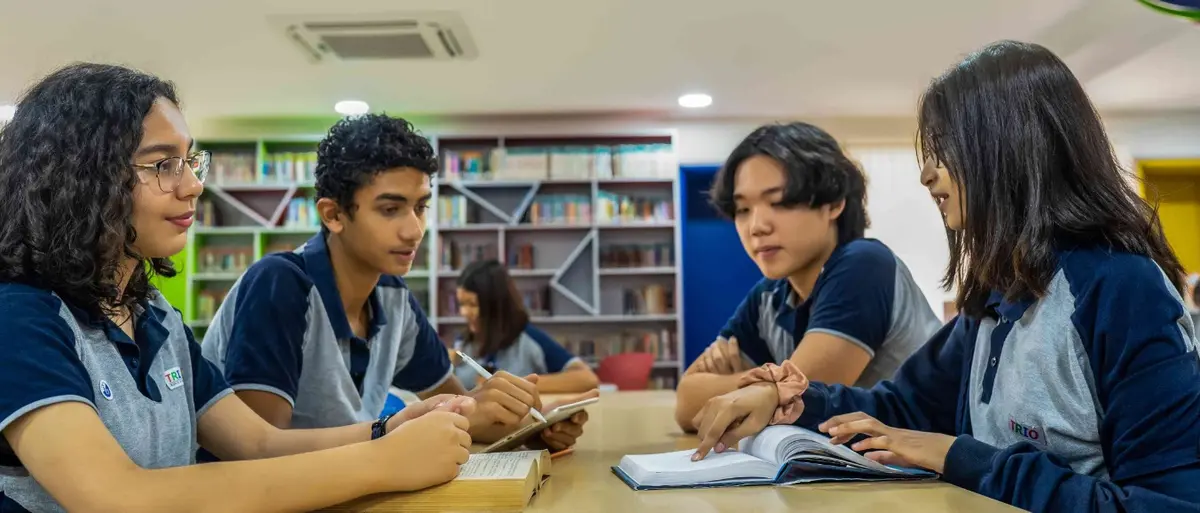
One of the more distinctive features of MIT VGS Loni Kalbhor is the existence of a Central Academic and Research Team — CART — which sits behind the scenes but directly shapes how every class is taught. This isn't a standard feature of most CBSE schools; it's a centralised unit of subject experts and education specialists whose entire job is to design the pedagogical processes for every grade and every subject across all MIT VGS campuses.
CART designs its teaching frameworks in alignment with the key recommendations of the National Education Policy (NEP) and the National Curriculum Framework (NCF). What that translates to, practically, is that the classroom methods your child experiences aren't improvised or left entirely to individual teachers — they're the product of deliberate design by a team of experts focused on meeting the learning needs of diverse learners and achieving specific learning outcomes.
Crucially, CART places significant emphasis on Assessment for Learning — meaning that assessment isn't something that only happens at exam time. It's ongoing, formative, and used to identify learning gaps early so that interventions can be devised before a child falls behind. If a student in Grade 4 is struggling with a particular concept, the CART-designed system is built to catch that gap at the formative stage, not six months later during a term exam.
MIT VGS Loni Kalbhor Teaching Methodology and the Role of Learning Material
For students in Grades 1 through 5, MIT Vishwashanti Gurukul School Loni Kalbhor uses Ratna Sagar's publications (Pearls), which are aligned with the National Education Policy. The school's own explanation for this choice is worth noting: these books are colourful and activity-based, covering multiple subjects in one book, which helps young learners engage more effectively and grasp concepts better. For Nursery through Senior KG, Cambridge phonics publications are used to build a thorough early language foundation. For Grades 6 through 12, the primary textbooks are NCERT — the nationally recognised standard for strong academic grounding in CBSE schools.
CART also produces supplementary learning material in the form of Lesson Question Banks and Worksheets across all subjects, which are reviewed and updated periodically based on CBSE guidelines. For students in Grades 11 and 12, subject-specific question banks and worksheets prepared by experienced faculty provide structured preparation material for both Board Examinations and competitive exams. Competency-Based Unit End Assessments are a regular feature of the Senior Secondary programme, with student performance analysed after every assessment to drive targeted support.
ICT-Enabled and Experiential: How Teaching Methodology at MIT VGS Loni Kalbhor Comes to Life
The Role of Digital Infrastructure in Teaching Methodology at MIT VGS Loni Kalbhor
MIT VGS Loni Kalbhor integrates ICT meaningfully into its teaching methodology. Classrooms are equipped with digital boards, and the school operates a technology-enabled Learning Management System (LMS). This isn't just about showing slideshows — it means that learning materials, assignments, and student progress can be tracked and managed digitally, making it easier for teachers to personalise their approach and for parents to stay informed through parent portals.
Robotics and STEM labs extend ICT integration beyond the classroom, giving students hands-on exposure to coding, robotics, and digital tools. Among the best CBSE schools in Pune, this kind of dedicated STEM infrastructure is still relatively uncommon at the school level, and it signals a genuine commitment to 21st-century learning skills rather than just a brochure claim.
Theme-based learning and subject integration add another layer. Rather than teaching mathematics in isolation, MIT Vishwashanti Gurukul School Loni Kalbhor connects mathematical concepts to real-life applications and broader themes, helping children understand how knowledge connects across subjects rather than existing in separate, unrelated boxes. This interdisciplinary approach helps bridge the gap between theory and practical application — a shift that many parents from the region's best schools near Hadapsar and Loni Kalbhor increasingly seek out.
Personal Attention, Mentorship, and the Guru-Shishya Bond
A recurring theme in MIT VGS Loni Kalbhor's approach to teaching is the emphasis on the teacher-student relationship. With an average class size of 35–36 students, teachers are expected to provide personalised attention — addressing individual learning needs rather than teaching to a uniform pace. The school describes its educators as acting as mentors who guide students to develop values, emotional intelligence, and practical skills, not just subject competency.
Student counselling for mental well-being is also a component of the academic environment, ensuring that a child dealing with stress or personal challenges has access to support. Among the best CBSE schools in the Loni Kalbhor area, this kind of pastoral care structure reflects a more evolved understanding of how emotional readiness and academic performance are connected. A student who feels supported and seen learns better — this isn't a soft claim, and at MIT Vishwashanti Gurukul School Loni Kalbhor, it's built into the structure of how teachers are trained and expected to engage.
Spirituality, Indian Knowledge Systems, and the Classroom
How MIT VGS Loni Kalbhor Teaching Methodology Integrates IKS and Values
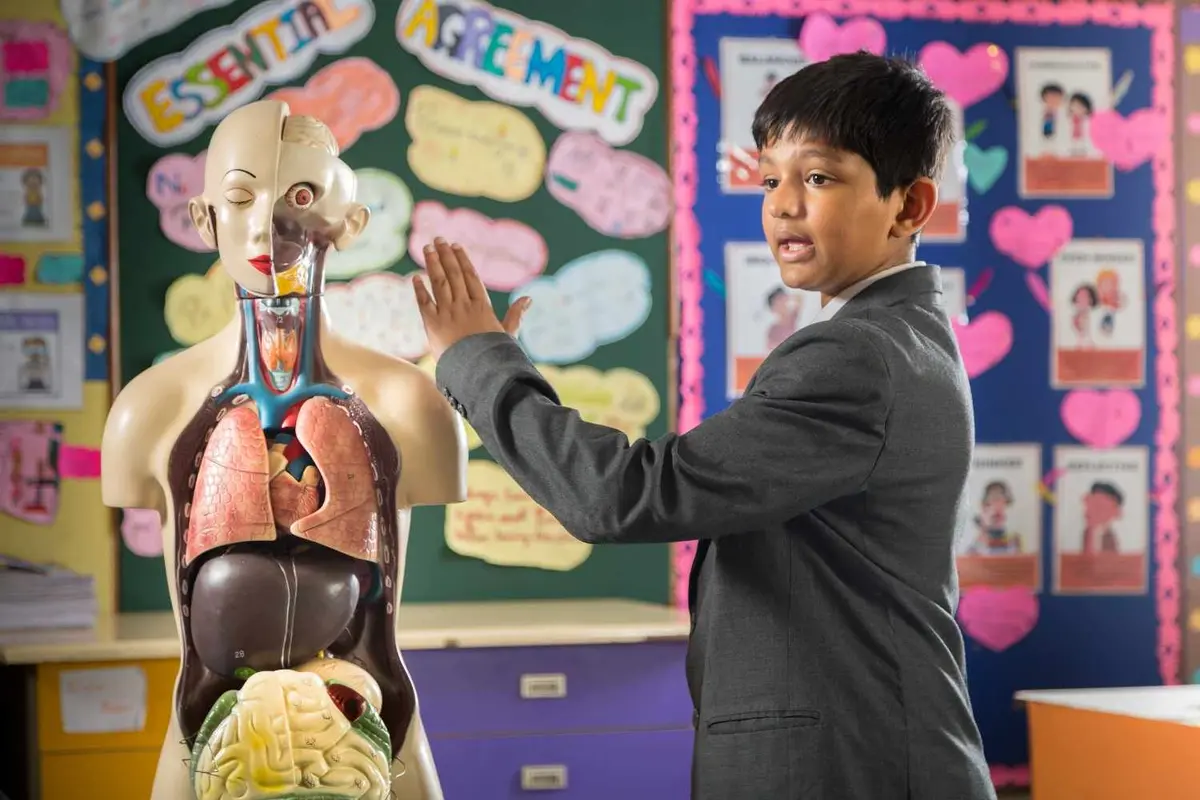
This is where MIT Vishwashanti Gurukul School Loni Kalbhor genuinely distinguishes itself from many schools — even among the best CBSE schools in Pune. The curriculum integrates Indian Knowledge Systems (IKS) for value-based learning, and this isn't treated as an add-on or an assembly prayer. It weaves through the academic experience: Vedic Mathematics is offered as part of the programme, daily mindfulness sessions create a calm and focused start to learning, and yoga sessions are built into the school routine to develop self-discipline and mental clarity.
Guided meditation practices are incorporated to promote relaxation, enhance concentration, and reduce stress. Character-building workshops address qualities like empathy, humility, and self-discipline through structured activities and discussions. The school also includes moral stories drawn from the lives of leaders like Mahatma Gandhi and Swami Vivekananda, giving students ethical frameworks that are culturally grounded rather than abstract.
For parents evaluating the best schools near Hadapsar or the best CBSE schools in Pune's eastern corridor, this combination of modern pedagogy and IKS integration is increasingly what differentiates a school that produces confident, rooted individuals from one that simply produces exam scores. Principal Ms. Aruna Anthony describes the school's cultural ethos as woven into the very fabric of school life — not a separate programme but a lens through which all learning happens.
Skill-Oriented Learning: Beyond Textbooks, Into Real Life
The final pillar of the teaching methodology at MIT VGS Loni Kalbhor is its deliberate emphasis on skill-building. Entrepreneurship and financial literacy workshops are part of the broader curriculum. Coding and robotics are offered as structured programmes, not electives treated as afterthoughts. Foundation courses and vocational learning opportunities are available for older students. Leadership development programmes give students experience in organising events, leading teams, and participating in student councils — practical exposure that most textbooks can't provide.
Community service is integrated into the curriculum as well, including environmental conservation projects and volunteering, giving students real-world context for the values they develop in the classroom. Workshops and seminars on topics like mental health, technology trends, and public speaking run through the academic year, connecting students with knowledge and perspectives that extend well beyond the CBSE syllabus.
What This Means for Parents Choosing a School Near Loni Kalbhor
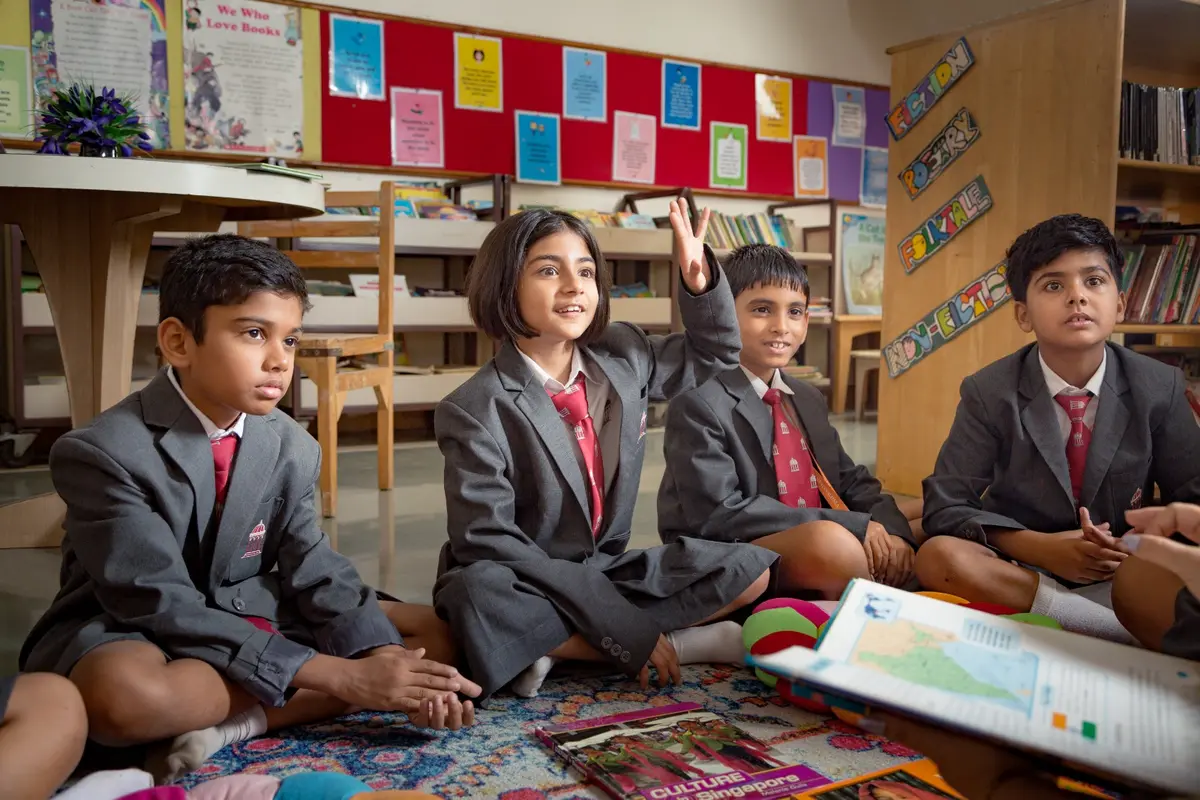
Taken together, the teaching methodology at MIT Vishwashanti Gurukul School Loni Kalbhor reflects a deliberate, layered approach to education — one where the CBSE curriculum provides the skeleton, but the actual substance of how a child learns is shaped by the CART team's expertise, ICT integration, a strong mentor-mentee culture, IKS grounding, and skill-oriented programming. For parents near Hadapsar, Loni Kalbhor, and surrounding areas looking at the best CBSE schools in Pune, it represents a well-rounded option where the quality of daily learning isn't left to chance.
The school holds admissions open for AY 2026–27 from Nursery through Grade XII. If you'd like to understand how this teaching approach translates in person — what a classroom visit actually looks like and how your child would fit into the learning environment — the best next step is to explore the school's official website and arrange a campus interaction directly.
Note: Blogs by Yellow Slate are written based on information, knowledge and perspective of the writer. While every caution has been taken to provide readers with accurate information, please use your discretion before taking any decisions based on the information in this blog. In case you find any information that is factually wrong or something that could be made better, please write to us at contact@yellowslate.com.
Curious about how we arrived at this list? We believe parents deserve full transparency on how schools are evaluated and selected. to understand our school selection methodology.


