Teaching Methodology at TSUS Bangalore: The Shri Way of Learning
When parents walk into The Shri Ram Universal School, Bangalore for the first time, the first question they usually ask is about the curriculum. But here's the thing — the what of education is only half the story. The how is where the real difference shows up, in a child's confidence, curiosity, and ability to think independently. And it's precisely on this question of how that TSUS Bengaluru sets itself apart in meaningful ways. Rooted in a philosophy that has been refined across decades of Shri Group institutions, the teaching methodology here isn't a collection of buzzwords — it's a carefully assembled set of programs, each with a specific purpose and a specific stage of a child's growth in mind. For parents in North Bangalore seeking the best CBSE schools in Jakkur, understanding how this school teaches is just as important as knowing what it teaches.
The Foundation: What the Shri Philosophy Actually Means in Practice
[btn_admissions id="17867"]
Before getting into specific programs, it helps to understand where the TSUS Bengaluru approach comes from philosophically. The Shri Philosophy, which sits at the heart of all teaching and learning at the school, begins with a single premise: every child is unique. That might sound like something every school says, but at TSUS it has structural implications. The curriculum isn't designed to push every student through the same funnel at the same pace. Instead, the teaching methodology at TSUS Bangalore is built around interactive and experiential opportunities, drawing from recent research in pedagogy and incorporating educational innovations into daily classroom practice.
The goal, as the school articulates it, is for each child to reach their Personal Best — not a standardised benchmark, but their own highest potential. This shapes how teachers approach lesson planning, how classrooms are organised, and how children are assessed. Among the best schools in Bangalore, this student-centric framing is what distinguishes a school that truly individualises learning from one that merely claims to.
Teaching Methodology at TSUS Bangalore Starts With the Shri Educator
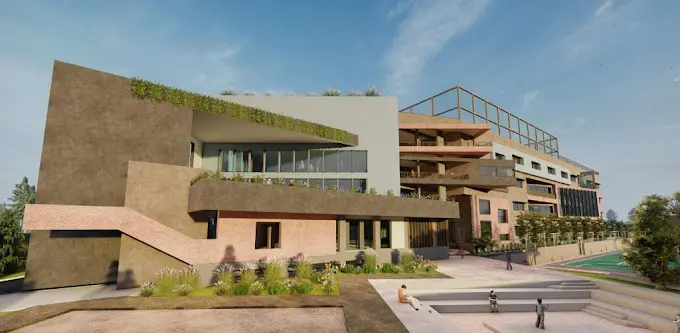
A methodology is only as good as the people delivering it. At TSUS Bengaluru, teachers are referred to as Shri Educators — and the term carries specific expectations. A Shri Educator is not simply someone who delivers content; they are described as a guide who recognises the uniqueness within each child and actively encourages creative and critical thinking. They're expected to stay current with evolving educational practices, collaborate with colleagues, and lead by example in embodying the school's core values.
What makes this concrete rather than aspirational is the structured professional development built into the teacher's year. Each Shri Educator undergoes 50 to 60 hours of teacher training and professional development annually. For parents looking at the best CBSE schools in North Bangalore, this is a detail worth paying attention to — the quality of a child's learning experience is directly tied to how seriously a school invests in the growth of its teachers.
The Shri Differentiators: Eight Programs That Define the Teaching Methodology at TSUS Bangalore
[btn_admissions id="17867"]
The school uses the term "Shri Differentiators" for a set of eight specifically designed classroom and learning programs. These aren't imported frameworks or generic pedagogical ideas — they are programmes the school has built its daily timetable and classroom culture around. Each one addresses a particular developmental need, and together they form a coherent picture of what learning actually looks like inside TSUS Bengaluru.
Choice Time Activities: Teaching Methodology at TSUS Bangalore Begins With Agency
For the pre-primary years, one of the most telling indicators of a school's pedagogical maturity is how it treats free exploration. At TSUS, this takes the form of Choice Time Activities — structured periods where young students are given the freedom to move between different activity corners and select based on their own interests. A child might choose to read a storybook, build with blocks, draw, work with modelling dough, or head to the discovery room. The underlying principle is that autonomy in learning, even at the earliest age, builds ownership over the educational experience.
Circle Time: Building Community and Values
Circle Time is conducted regularly and serves a dual purpose. It gives the class teacher a structured opportunity to connect with students as a group, address concerns or challenges within the class, and most importantly, reinforce the school's core values. In a world where social-emotional development is increasingly recognised as foundational to academic success, Circle Time is the mechanism through which TSUS ensures that classroom culture is consciously shaped rather than left to chance.
Wonder Time: Developing the Habit of Observation
Teaching Methodology at TSUS Bangalore Nurtures Scientific Thinking Through Wonder Time
Children are natural observers — curious, tactile, and instinctively drawn to figuring out how things work. Wonder Time at TSUS Bengaluru harnesses this instinct deliberately. Students are provided with various materials to touch, observe, and manipulate, and through this hands-on engagement they learn observation, recording, inference, and the drawing of conclusions. These are, of course, the foundational skills of scientific thinking — and the school introduces them not through formal science periods but through structured play in the early years. For parents considering the best schools in Bangalore for young children, this kind of early scaffolding for inquiry-based thinking is a significant differentiator.
Show 'n' Tell: The First Step Toward Confident Communication
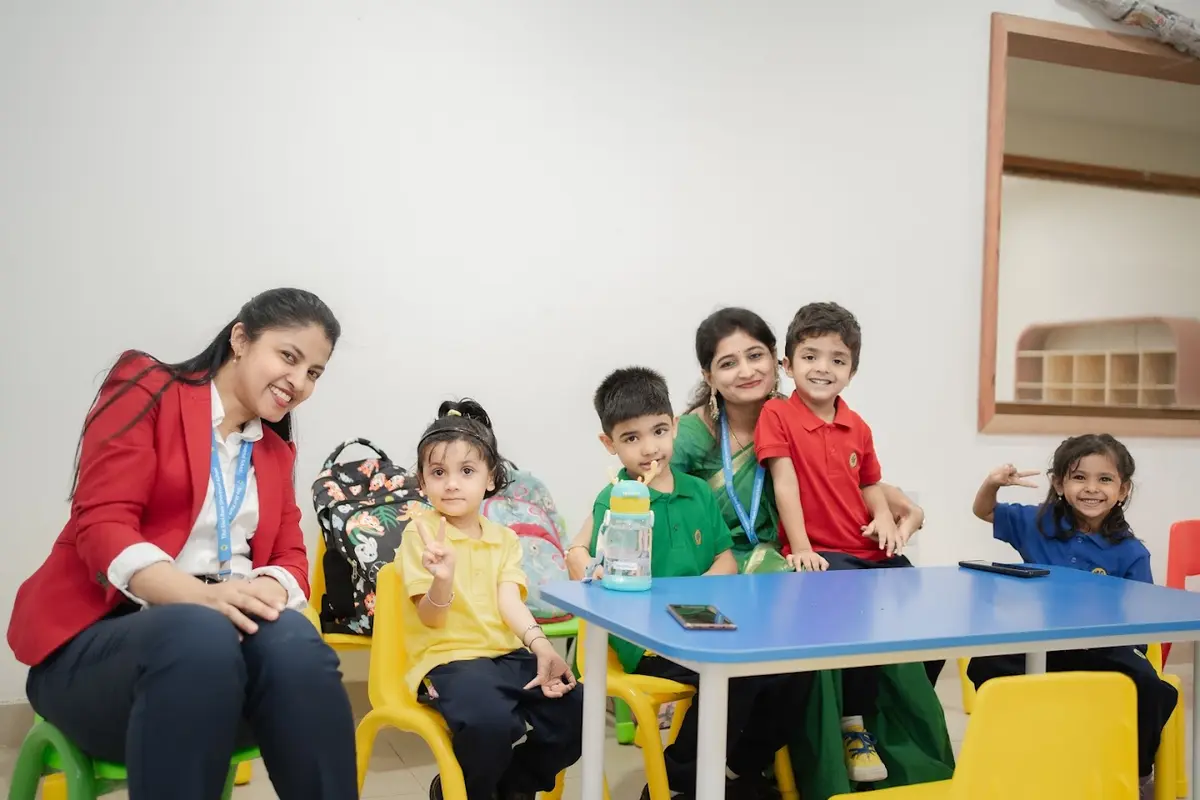
In the elementary and lower primary grades, Show 'n' Tell is used as a developmental bridge between private thought and public expression. Starting from structured sessions and progressing to unstructured ones, the program builds language skills, confidence, and presentation ability gradually. It's a child's first experience of addressing an audience — and the school designs the experience to be encouraging and positive rather than pressurising. The skills being practised here, articulation, presence, the ability to present ideas coherently, are genuinely useful for life beyond school.
DEAR — Drop Everything and Read
Among the best CBSE schools in Jakkur, a reading culture is something parents actively look for. TSUS addresses this through the DEAR (Drop Everything and Read) programme, which dedicates 15 minutes within the regular timetable, for classes Kindergarten through Grade V, exclusively to reading. This is separate from Library periods allocated for each grade, meaning children get two distinct kinds of reading time — structured library engagement and the quieter, more personal practice of simply reading something they choose. Over years, this kind of daily habit compounds significantly.
BaLA: When the Building Itself Teaches
Teaching Methodology at TSUS Bangalore Uses Architecture as a Learning Tool
Perhaps the most architecturally distinctive among all the Shri Differentiators, BaLA — Building as a Learning Aid — is a comprehensive approach to making the school's physical infrastructure an active participant in the learning process. The principle is that the design of a school building can serve as a resource for teaching and learning. Conventional concrete structures are creatively adapted to engage children actively and imaginatively, with BaLA elements integrated into classrooms, corridors, and outdoor spaces alike. The result is that learning doesn't stop at the classroom door — the walls, floors, and spaces of the school are designed to stimulate curiosity and interaction. This approach also embeds inclusive design principles, ensuring children with special needs are equally served by the physical environment.
Writer's Workshop: Moving Beyond the Essay
In the primary school years, specifically Grades IV and V, the Writer's Workshop offers an individualised approach to creative expression. Rather than conventional worksheets and prescribed essay topics, children are encouraged to create original, personally meaningful pieces of writing — and then refine them through drafting and redrafting. The process mirrors how real writers work, and it teaches children that writing is not a one-shot performance but an iterative craft. It is part of the formal English Curriculum at these grade levels, which means it carries academic weight while remaining genuinely creative.
The Reading Programme: Building Readers Intentionally
The Reading Programme spans classes LKG through Grade V and is described explicitly as a graded programme aimed at developing effective readers with intention. What sets it apart is the use of closure activities — exercises that follow each reading session and give teachers insight into each child's comprehension level. These activities also provide children with the space to express thoughts, think creatively, dramatise, and connect what they've read to their own experiences. Among the best international and CBSE schools in Bangalore, a graded reading programme of this depth is not as common as parents might assume.
A Holistic Picture: Ten Principles of the Learning Perspective
[btn_admissions id="17867"]
The individual programs exist within a broader framework of values that TSUS Bengaluru articulates as its Learning Perspectives. These ten principles — covering academic excellence, holistic development, character building, inclusivity, student-centric approaches, technology integration, global perspective, parent engagement, continuous improvement, and the joy of learning — are what give the eight Shri Differentiator programs their coherence. They're not a list of aspirations but an operating philosophy that connects what happens in Choice Time for a Kindergartner to what happens in a Writer's Workshop for a Grade V student.
The inclusion of parent engagement as one of the ten principles is worth noting specifically. The school views education as a shared responsibility and actively involves parents in the learning journey. This isn't administrative communication — it's a philosophical position that positions the parent as a partner rather than a passive observer.
What This Means for Parents Choosing Schools in North Bangalore
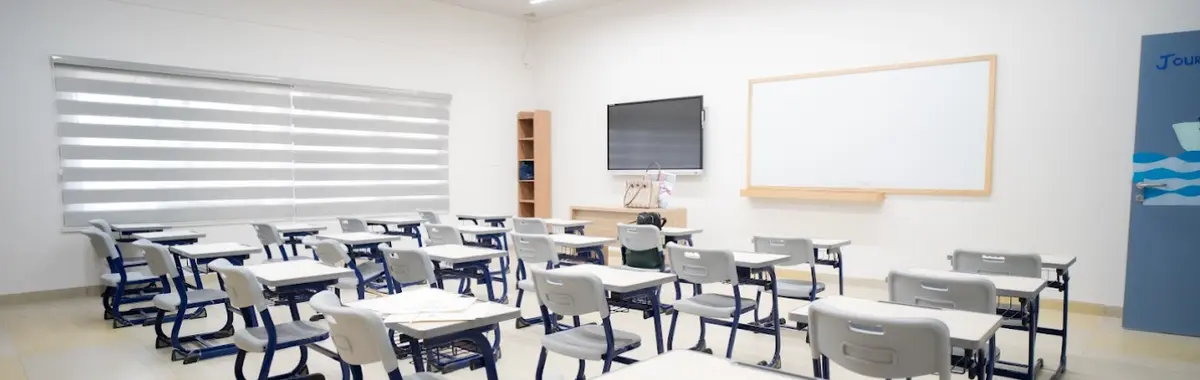
For families in Jakkur, Yelahanka, Thanisandra, and the broader North Bangalore corridor, the question of teaching methodology matters more than it ever has. Among the best schools in North Bangalore, a CBSE affiliation is a given — what varies is the depth and consistency of the pedagogical approach. At The Shri Ram Universal School, Bangalore, the teaching methodology isn't a document that sits on a shelf. It's visible in how the school day is structured, how teachers are trained, how classrooms are physically designed, and how even a 15-minute reading window is treated as non-negotiable. Parents who want to understand not just where their child will study but how they will be taught will find more specificity and substance at TSUS than at most schools in the region.
To learn more about the school's approach to education or to explore admission for the 2026-27 academic year, visit the official TSUS Bengaluru website.
Note: Blogs by Yellow Slate are written based on information, knowledge and perspective of the writer. While every caution has been taken to provide readers with accurate information, please use your discretion before taking any decisions based on the information in this blog. In case you find any information that is factually wrong or something that could be made better, please write to us at contact@yellowslate.com.
Curious about how we arrived at this list? We believe parents deserve full transparency on how schools are evaluated and selected. to understand our school selection methodology.


