The Complete IB Curriculum at Vishwashanti Gurukul Pune: From Early Years to Diploma Programme
For parents searching for an education that balances rigorous academics with deep-rooted values, the International Baccalaureate curriculum offers a compelling framework. But not all IB schools are created equal. At Vishwashanti Gurukul, located on a sprawling 125-acre campus by the Mula-Mutha river in Pune, the IB curriculum takes on a distinctive character—one that blends the ancient Guru-Shishya Parampara with modern pedagogical excellence. Since 2006, this institution has been developing internationally minded students who are as grounded in Indian values as they are prepared for global opportunities.
The Full IB Continuum at Vishwashanti Gurukul Pune
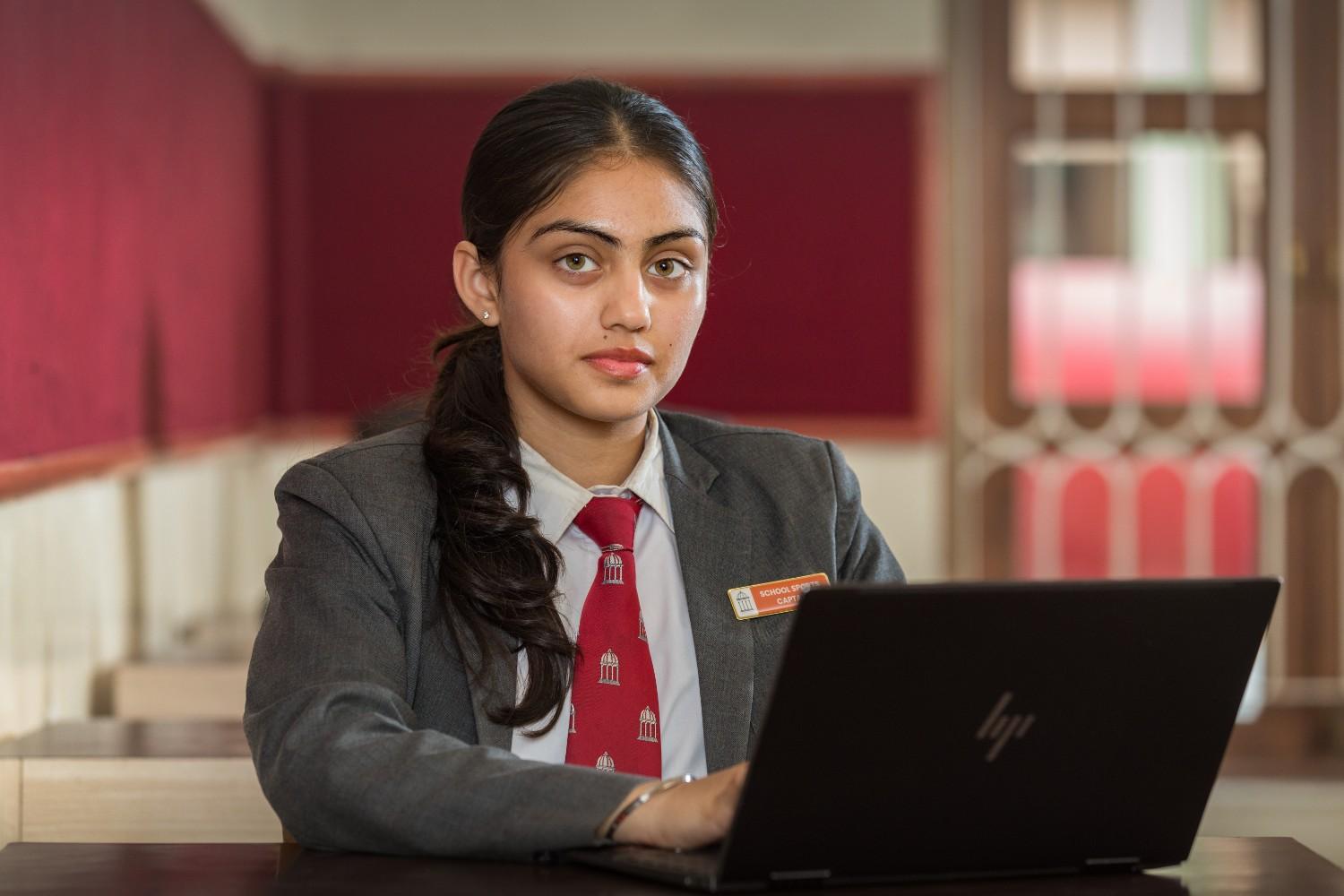
What sets Vishwashanti Gurukul apart from other best IB schools in Pune is its comprehensive offering of all four IB programmes under one roof. Students can seamlessly progress from the Early Years Programme through to the Diploma Programme without changing institutions, maintaining continuity in educational philosophy and community connections throughout their formative years.
The curriculum structure follows a clear progression: the Early Years Programme (EYP) serves Nursery through EYP 2, the Primary Years Programme (PYP) covers grades 1 through 5, the Middle Years Programme (MYP) spans grades 6 through 10, and senior students in grades 11 and 12 can pursue either the IB Diploma Programme (IBDP) or the IB Career-related Programme (IBCP). This complete continuum ensures that learning builds systematically, with each phase preparing students for the challenges ahead.
Early Years Programme: Where Learning Begins
The Early Years at Vishwashanti Gurukul caters to children aged 3 to 6 years, going beyond traditional early childhood education. The programme emphasizes play, curiosity, and holistic development, recognizing that young learners explore their environment best through relationships and interactions with peers, teachers, family, and the community.
Teachers in the Early Years function as partners, nurturers, and guides rather than mere instructors. They facilitate children's interests and support them in achieving both long-term and short-term goals. The environment is designed to be warm and dynamic, encouraging tiny learners to explore, inquire, communicate, socialize, research, and gain confidence in age-appropriate tasks. This foundation of curiosity and self-directed learning carries through every subsequent programme.
Primary Years Programme: Developing Inquiring Minds
The PYP at Vishwashanti Gurukul Pune serves students from grades 1 through 5, building on the Early Years foundation. The programme recognizes that children at this age naturally question everything around them—and channels that curiosity into structured inquiry.
Rather than compartmentalizing knowledge into isolated subjects, PYP takes a transdisciplinary approach. Students explore concepts across subject boundaries, connecting ideas in ways that mirror how knowledge works in the real world. The curriculum focuses on developing not just academic skills but also international mindedness, helping children establish personal values as a foundation upon which global awareness can flourish.
Assessment in PYP is continuous and collaborative. Teachers and students work together to monitor, document, measure, and report learning progress. Students aren't limited to traditional pen-and-paper tests—they present their learning in multiple ways, making their thinking visible through projects, presentations, and creative demonstrations.
Multilingualism receives significant attention. Students explore languages beyond their mother tongue, with options including English, Hindi, Spanish, German, French, and Marathi. This linguistic diversity isn't just about communication skills—it's about developing cultural understanding and global perspectives from an early age.
Middle Years Programme: Building Academic Foundations
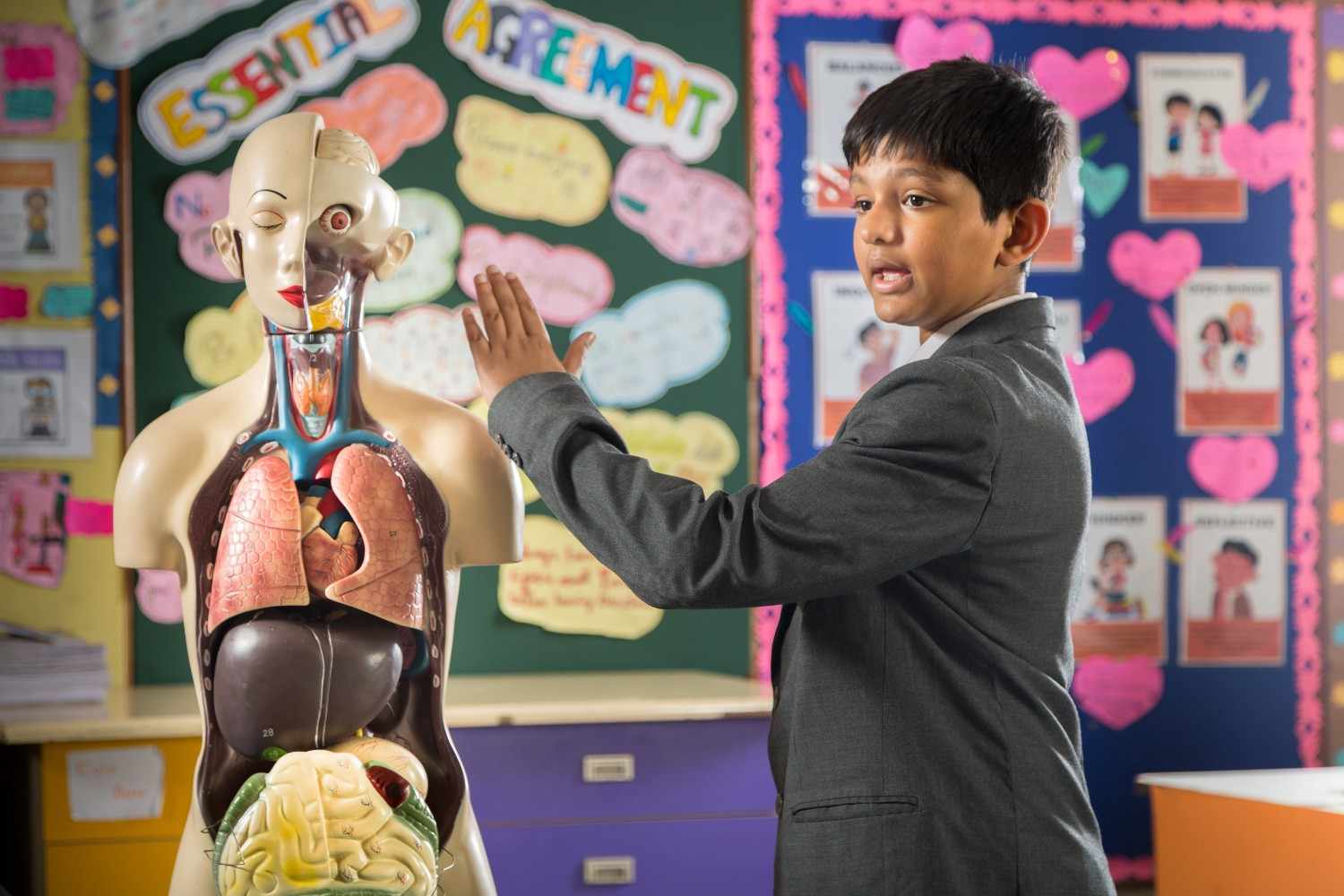
The MYP at Vishwashanti Gurukul covers grades 6 through 10, providing the bridge between primary education and the rigorous Diploma Programme. This is where academic structure becomes more defined while maintaining the inquiry-based approach that characterizes IB education.
Students in MYP 1, 2, and 3 study eight subject groups: Language and Literature, Language Acquisition, Individuals and Societies, Sciences, Mathematics, Arts, Physical and Health Education, and Design. In MYP 4 and 5, this narrows to six subject groups, allowing for deeper focus as students prepare for their senior years.
A distinctive feature of the MYP is its Approaches to Learning (ATL) skills framework, which develops capabilities that transcend individual subjects. These skills—encompassing research, communication, thinking, and social abilities—prepare students to become self-directed learners capable of applying knowledge in novel situations.
The MYP assessment structure balances ongoing evaluation with culminating projects. Students complete formative assessments throughout the year, with opportunities for retakes when concept reinforcement is needed. The programme includes both on-screen examinations conducted by IB and internally assessed coursework that is externally moderated.
Two significant projects mark the MYP journey. The Community Project, available from MYP 3, connects classroom learning with meaningful community engagement. The Personal Project in MYP 5 represents a culminating independent exploration where students pursue a passion, demonstrating the skills they've acquired throughout the programme. This mandatory project is assessed internally and externally moderated by IB.
IB Diploma Programme: Preparing for Global Universities
The IBDP at Vishwashanti Gurukul Pune represents the academic pinnacle of the IB continuum. This two-year programme for grades 11 and 12 is recognized globally as rigorous preparation for university-level study, with graduates gaining admission to prestigious institutions worldwide.
Students select one subject from each of six groups, choosing between Higher Level (HL) and Standard Level (SL) to create a balanced programme that matches their strengths and aspirations. The subject groups include Language and Literature (English), Language Acquisition (French, Spanish, Hindi), Individuals and Societies (Psychology, Economics, Business Management, Environmental Systems and Societies), Sciences (Biology, Chemistry, Physics, Computer Science, Design Technology), Mathematics (Analysis and Approaches or Applications and Interpretations), and Visual Arts.
Three core components distinguish the IBDP from other senior secondary programmes. Theory of Knowledge (TOK) explores how we know what we know, connecting learning across subjects and real-world issues. Students question sources, examine bias, and understand knowledge frameworks through presentations and a final essay. The Extended Essay (EE) is a 4,000-word independent research paper that builds university-level writing and inquiry skills. Creativity, Activity, Service (CAS) promotes balance, reflection, and personal growth through pursuits outside the classroom.
Assessment in DP1 includes three trimester examinations per year and three formative assessments per subject, with retakes available for students needing concept reinforcement. In DP2, students complete one trimester exam plus two mock examinations, along with Internal Assessments—subject-specific research tasks that are internally assessed and externally moderated by IB. The maximum possible score is 45 points: seven points per subject (maximum 42) plus three bonus points from TOK and EE combined.
IB Career-related Programme: A Pathway with Purpose
For students with clear career interests, Vishwashanti Gurukul offers the IBCP as an alternative to the traditional Diploma Programme. This innovative programme combines academic rigour with career-focused study, preparing students for direct entry into specific professional fields or specialized university programmes.
The IBCP includes at least two Diploma Programme subjects, a career-related study chosen based on the student's interests, and a distinctive core that includes personal and professional skills development, service learning, reflective projects, and language development. This structure allows students to pursue focused career preparation while maintaining the academic standards associated with IB education.
The Teaching Philosophy: Inquiry Meets Tradition
What makes the IB curriculum at Vishwashanti Gurukul Pune distinctive is how it integrates traditional Indian educational values with modern pedagogical approaches. The school's philosophy draws on the Guru-Shishya Parampara—the ancient mentor-mentee relationship focused on intellectual, emotional, and spiritual growth—while employing contemporary inquiry-based methods.
Teaching methodology is student-centered, inquiry-driven, and reflective, focusing on conceptual understanding, global perspectives, and critical thinking. Students actively engage in real-world problem-solving, research projects, collaborative activities, and experiential tasks. Field trips, laboratory experiments, service projects, internships, and case studies ensure theory connects to practical application.
Personalized learning receives significant attention thanks to a 1:7 student-teacher ratio. Mentorship, small group interventions, learning support programmes, and counselling address individual learning needs and styles. An in-house team of specialized well-being counsellors provides additional support for students with diverse learning requirements.
Technology enhances rather than dominates the learning experience. Smartboards, computers, and AI tools support interactive learning, while online research platforms and educational software develop digital literacy. The philosophy is "technology-enabled, not technology-enslaved"—using digital tools purposefully while maintaining focus on human connection and inquiry.
Preparation for Competitive Examinations
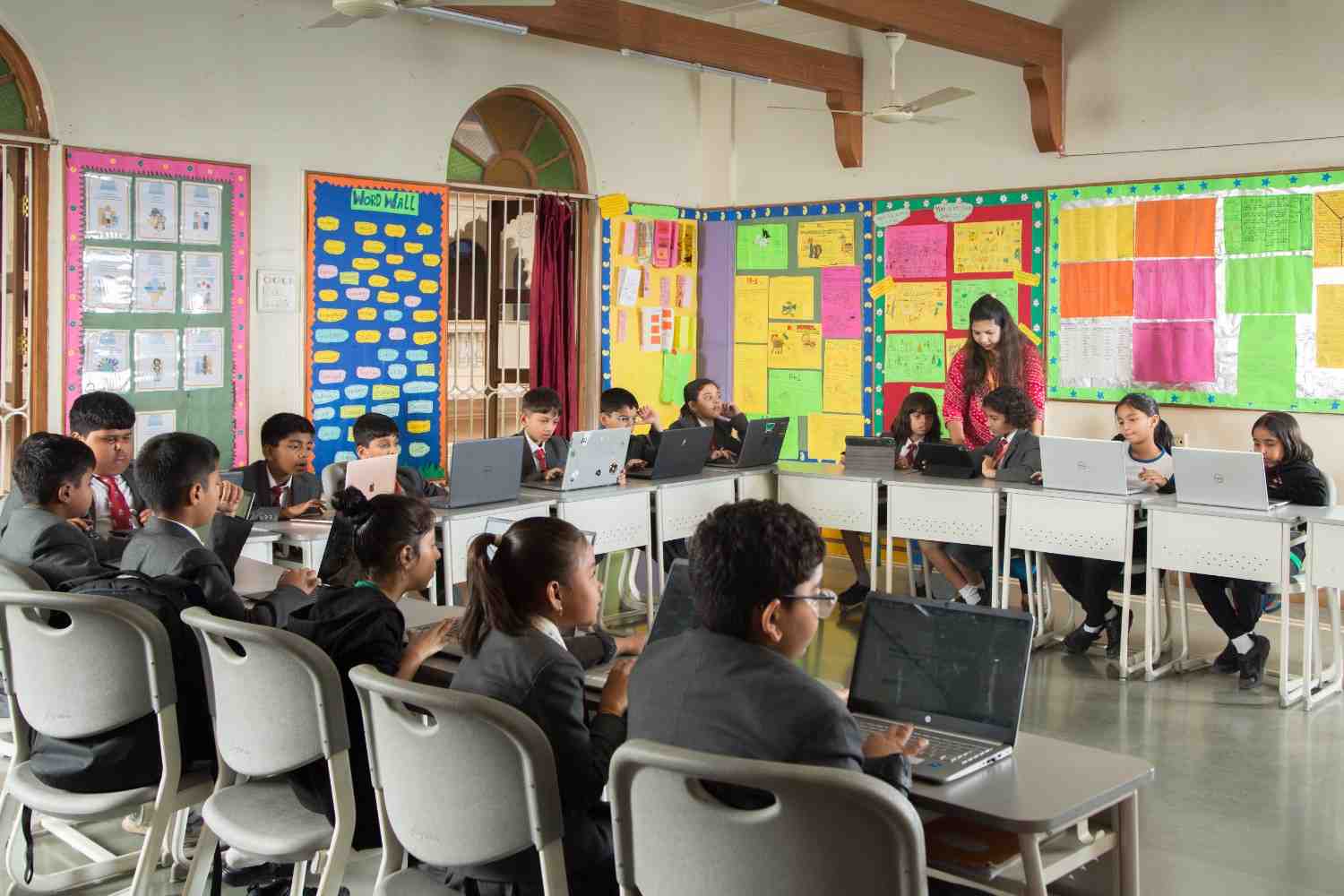
While IB education is recognized globally, Vishwashanti Gurukul understands that many Indian families value preparation for national competitive examinations. The school offers extra preparation classes for SAT, PSAT, Olympiad, JEE, and NEET, ensuring students can pursue opportunities both within India and abroad.
The Association of Indian Universities (AIU) rates the IB Diploma at the same level as Class 12 CBSE, ICSE, NIOS, or State Board examinations. Students completing the IBDP are eligible for all government examinations including UPSC, NDA, CDS, IIT, IIM, NEET, CET, and JEE. This dual pathway—international recognition plus domestic competitiveness—provides flexibility that purely national curricula cannot match.
University Placements: Where Students Go Next
The curriculum's ultimate test is where it leads graduates. Vishwashanti Gurukul's University Placement Office (UPO) guides students through the entire application process, from university selection and essay reviews to recommendation letters and interview preparation.
The UPO works collaboratively with the DP Coordinator, helping students align subject selection with their intended undergraduate majors from DP1 onwards. Regular workshops and one-on-one counselling sessions ensure students make informed choices. The school has partnerships with universities worldwide and maintains an active international alumni network, providing both guidance and connections for graduating students.
Universities worldwide value the IBDP specifically because it demonstrates students are prepared for rigorous academic environments. Many institutions offer credit for Higher Level courses, while some provide scholarships specifically for IB diploma holders. The combination of research skills (through the Extended Essay), critical thinking (through TOK), and service experience (through CAS) creates graduates who stand out in competitive admissions processes.
The Value-Based Difference
Throughout all programmes, Vishwashanti Gurukul Pune integrates its core values—encapsulated as FACCTS: Focus on Goals, Accountability, Commitments, Conflict Resolution, Trust, and Service. These aren't abstract principles displayed on walls but practices embedded into daily routines through yoga, meditation, respect for diverse faiths, and intercultural learning.
Leadership development happens through structured programmes and ceremonies. Events like the Investiture Ceremony highlight principles of integrity, discipline, responsibility, and service. Students lead clubs, organize events, participate in student council, coordinate community projects, and take responsibility through MUN, Vox Varitas, podcasts, and literature festivals.
The result is an education that prepares students academically while developing character, resilience, and ethical leadership—qualities that serve them well regardless of which university they attend or career they pursue.
Getting Started with Admissions
For families considering Vishwashanti Gurukul among the best IB schools in Pune and best boarding schools in Maharashtra, the admission process begins with an online application at application.mitgurukul.com. Applications open from 1st September each year, with both online and in-person options available.
The minimum age for Nursery admission is 3 years. Required documents include birth certificate or identity proof, last two years' academic report cards, medical records including immunization documentation, and special needs documentation if applicable. Entrance assessments help identify each child's strengths and development areas, ensuring appropriate placement.
Fee structures vary by grade level and residential status, with day scholar fees ranging from approximately Rs. 5 lakhs to Rs. 8 lakhs and boarding fees from Rs. 8 lakhs to Rs. 12 lakhs annually. The school offers a 10% sibling discount, scholarship programmes, and 0% EMI options through financial partners to make quality education accessible.
Note: Blogs by Yellow Slate are written based on information, knowledge and perspective of the writer. While every caution has been taken to provide readers with accurate information, please use your discretion before taking any decisions based on the information in this blog. In case you find any information that is factually wrong or something that could be made better, please write to us at contact@yellowslate.com.
Curious about how we arrived at this list? We believe parents deserve full transparency on how schools are evaluated and selected. to understand our school selection methodology.


