The Growing Use of Technology in 21st-Century Education at Epistemo Vikas Leadership School
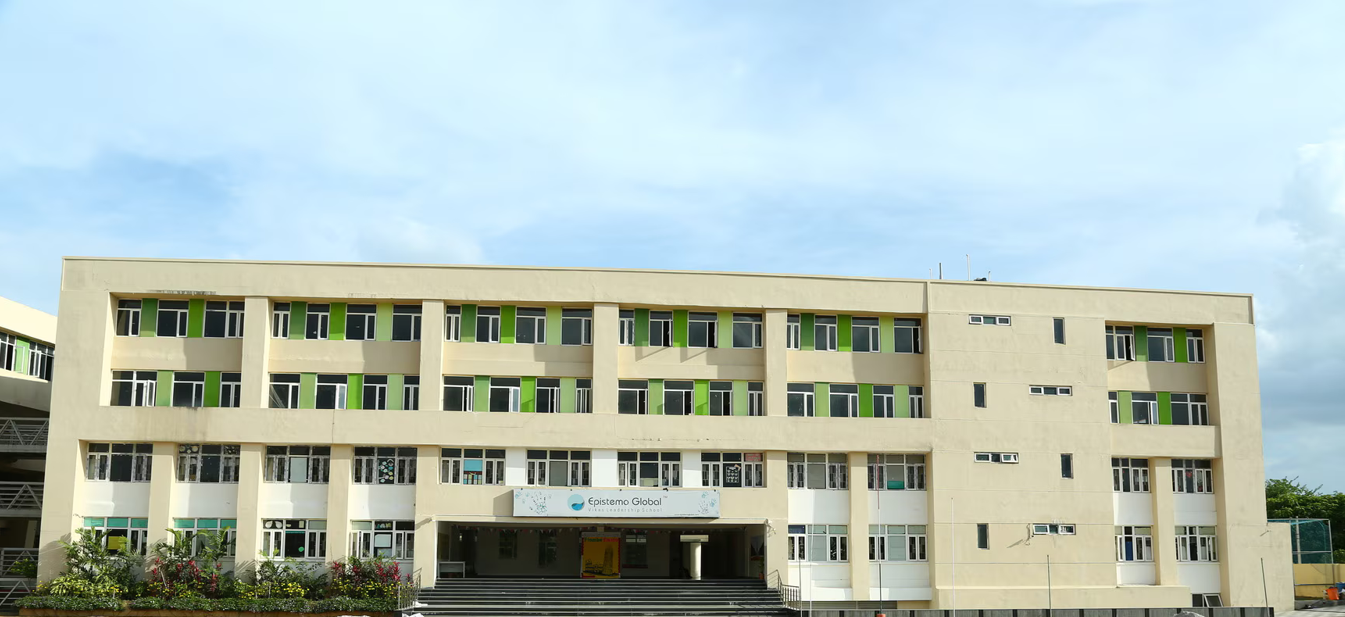
Technology has fundamentally transformed education in the 21st century, reshaping how knowledge is delivered, absorbed, and applied. At Epistemo Vikas Leadership School in Hyderabad, technology integration is not just an addition but a core pillar of the learning experience. From digital classrooms to immersive learning tools, the school actively harnesses technology to engage students deeply, personalize learning, and prepare them for a technology-driven future. This blog details the various facets of technology use at Epistemo and explains the benefits and challenges faced as modern education continues to evolve.
The Importance of Technology in Education Today
In today’s globalized world, technology plays a critical role in democratizing access to information and resources. Education is no longer confined by geography or traditional textbooks; students at Epistemo can tap into a vast repository of digital content, interact with peers and instructors virtually, and learn anytime, anywhere.
Such technological advancements promote inclusivity by supporting diverse learning styles and needs, enabling adaptive learning where students receive content tailored to their individual abilities and progress. This personalized approach fosters self-paced learning, enhances motivation, and reduces learning gaps.
How Epistemo Integrates Technology in Teaching and Learning
Epistemo Vikas Leadership School adopts a comprehensive strategy to embed technology across academic and co-curricular activities.
Enhanced Communication and Collaboration
By using platforms like Google Classroom, Microsoft Teams, and Padlet, students communicate, share ideas, and collaborate on projects seamlessly. These tools facilitate synchronous and asynchronous interactions, allowing group work, peer feedback, and teacher guidance beyond classroom hours.
For example, history students recently collaborated on a project about ancient civilizations through shared online documents, video calls, and interactive timelines. This collaboration not only enriched their understanding but also built digital communication skills vital for future workplaces.
Personalized Learning Experiences
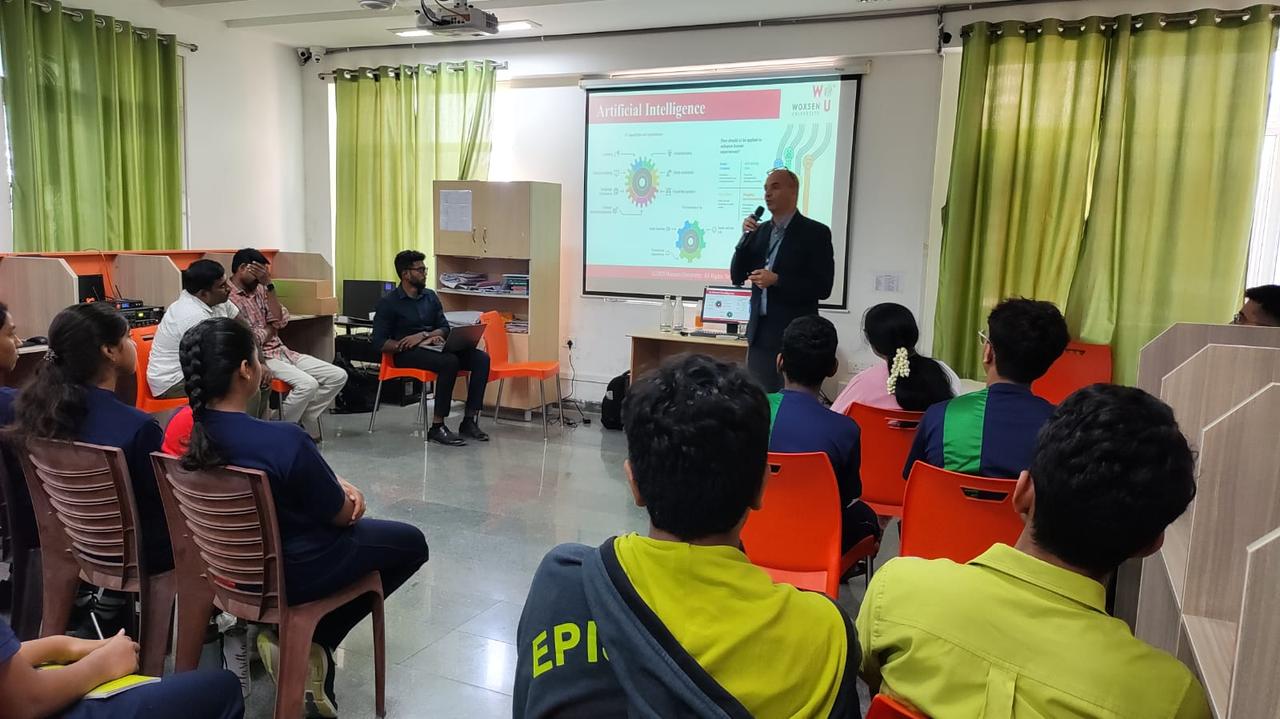
Adaptive learning software and AI-based platforms analyze student performance data to customize lessons. Epistemo leverages these capabilities to identify student strengths and weaknesses continually, offering targeted exercises and recommendations.
A student named Aanya, for instance, improved her math proficiency markedly by using smart learning apps that adjusted difficulty levels based on her responses, delivering instant feedback to clarify doubts in real time.
Engaging, Interactive Content with Virtual & Augmented Reality
The school utilizes Virtual Reality (VR) and Augmented Reality (AR) to make abstract concepts tangible and immersive. Imagine exploring the human heart in 3D, touring the pyramids of Egypt virtually, or experimenting with chemical reactions safely in a virtual lab.
Such immersive lessons foster deeper engagement, multi-sensory learning, and retention of complex scientific or historical principles, transforming passive instruction into active exploration.
Boosting Teacher Efficiency and Student-Centered Learning
Technology eases teacher workload by automating routine tasks such as grading quizzes, tracking attendance, and organizing lesson plans. This efficiency frees educators to focus on student facilitation, personalized mentorship, and creating innovative learning experiences.
The flipped classroom model employed at Epistemo allows students to review instructional videos at home and engage in discussions, problem-solving, and practical work during school hours, promoting active participation and critical thinking.
Differentiated Instruction for Inclusive Education
Using data analytics and digital assessment tools, teachers identify diverse learner needs and craft customized instructional strategies. This ensures students with varying paces, abilities, or learning preferences receive appropriate challenges and support.
Epistemo’s tech integration accommodates students with special needs by incorporating assistive technologies and tailored digital content, reflecting a commitment to equitable education.
Preparing Students for Careers and Global Citizenship
Digital literacy is indispensable for modern careers and responsible global citizenship. Epistemo fosters these competencies by encouraging student collaboration with international peers, participation in online competitions, and understanding digital ethics and safety.
Students learn responsible social media use, cyber hygiene, data privacy, and how technology impacts society, enabling them to contribute positively in a digitally connected world.
Challenges and Epistemo’s Approach to Overcoming Them
While technology offers immense opportunities, implementation comes with challenges such as:
- Infrastructure and Access: Ensuring all students have reliable devices and high-speed internet connectivity, addressed by the school through resource provisions and partnerships.
- Teacher Training: Continuous professional development programs equip educators to leverage new tools effectively.
- Digital Distractions: Structured policies and parental involvement help students maintain focus and balance screen time.
- Cybersecurity: Robust systems, awareness campaigns, and safeguarded data protocols protect students and school networks.
Conclusion
Integrating technology in education is no longer optional but essential for relevance and effectiveness in the 21st century. Epistemo Vikas Leadership School exemplifies this through forward-thinking practices that make learning interactive, personalized, and globally connected.
By embracing technology thoughtfully, Epistemo equips students with not just academic knowledge but also critical 21st-century skills—digital literacy, collaboration, creativity, and ethical awareness—preparing them to excel in an ever-evolving world.
Parents and educators looking for a modern school environment with a strong technological foundation will find Epistemo Vikas Leadership School a compelling choice for nurturing future-ready learners.
Note: Blogs by Yellow Slate are written based on information, knowledge and perspective of the writer. While every caution has been taken to provide readers with accurate information, please use your discretion before taking any decisions based on the information in this blog. In case you find any information that is factually wrong or something that could be made better, please write to us at contact@yellowslate.com.
Curious about how we arrived at this list? We believe parents deserve full transparency on how schools are evaluated and selected. to understand our school selection methodology.


