Infrastructure at The Peepal Grove School: Where Nature Becomes the Classroom
When parents envision educational infrastructure, they often picture modern buildings with smart boards and air-conditioned classrooms. However, at The Peepal Grove School, infrastructure takes on a profoundly different meaning—one where ponds transform into learning spaces, and ancient peepal trees serve as gathering spots for dialogue and discovery. Nestled in an enchanting valley in Chittoor, Andhra Pradesh, this residential ICSE school founded by spiritual guide Sri M in 2006 and inaugurated by President A.P.J. Abdul Kalam redefines what educational facilities can and should be. The infrastructure at The Peepal Grove School isn't about imposing human structures upon nature; it's about harmonizing learning spaces with a pristine 30-acre campus where biodiversity and education intertwine seamlessly. For parents seeking schools where the physical environment profoundly shapes character and consciousness, understanding this unique approach becomes essential.
A 30-Acre Living Classroom: The Foundation of Everything
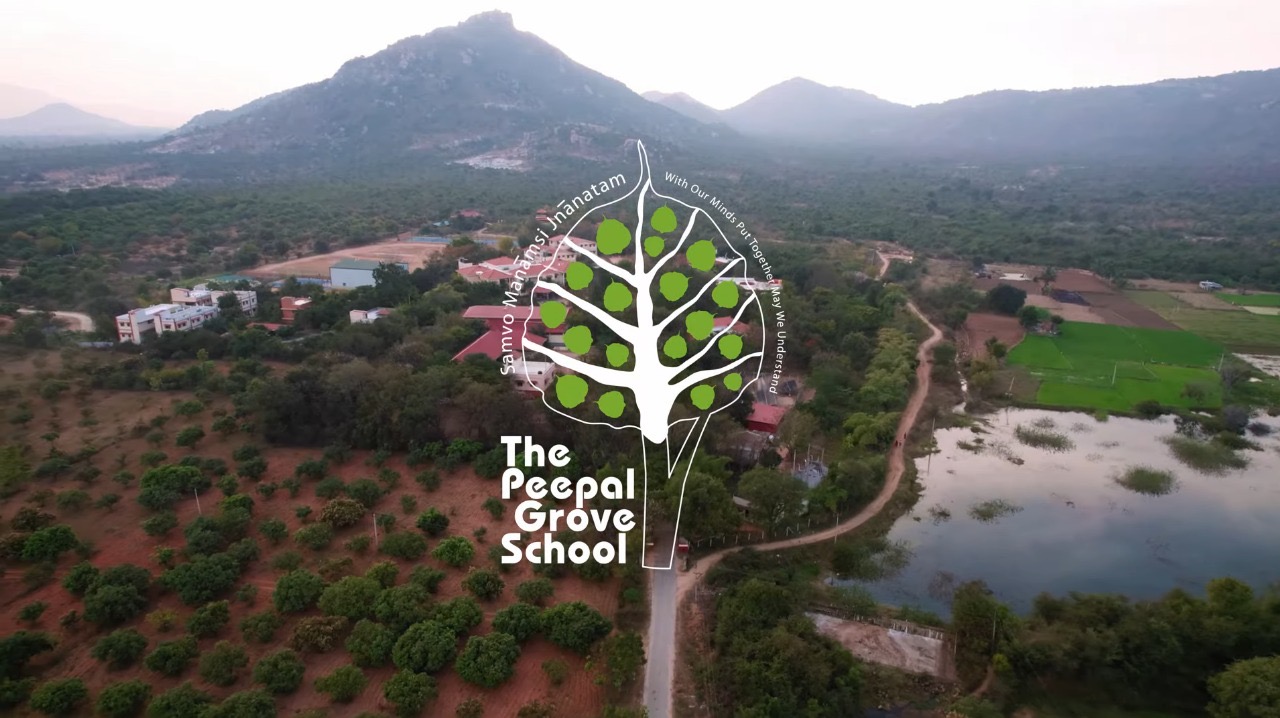
The most distinctive aspect of infrastructure at The Peepal Grove School is the campus itself—30 acres of biodiverse valley surrounded by hills and dotted with natural ponds. This isn't merely a scenic backdrop for conventional education; it's the primary infrastructure that defines every aspect of learning. Students don't just visit nature during occasional field trips; they live within it, experiencing the rhythms of seasons, observing nature's patterns, studying ecosystems firsthand, and developing intimate relationships with the natural world that urban children rarely experience.
Moreover, this expansive natural campus provides what no constructed facility can replicate—space for genuine exploration, contemplation, and growth. Students have room to explore the campus, discover hidden corners for reading and reflection, observe over 90+ species of birds, and engage in outdoor learning that makes textbook concepts tangible and memorable. The infrastructure at The Peepal Grove School recognizes that space itself—particularly natural, unstructured space—represents crucial educational infrastructure often overlooked in conventional school planning. When parents visit, they immediately sense how this pristine environment shapes the entire educational experience in ways traditional buildings never could. The tree canopy keeps the walk from the academic block to the dining hall comfortable, no matter how hot it gets.
Residential Living Spaces: Building Community Beyond Classrooms
As a fully residential school serving grades 4 through 12, the infrastructure at The Peepal Grove School includes dormitories and living quarters where students and teachers reside together, creating a 24/7 learning community fundamentally different from day schools. These residential facilities aren't merely places to sleep between classes; they're integral to the school's philosophy that education encompasses how we live together, share responsibilities, resolve conflicts, and build relationships across differences. Students from over 12 states and 8 countries live side by side, creating a multicultural environment where diversity becomes a lived experience rather than an abstract concept.
Furthermore, the residential infrastructure facilitates the unique teacher-student relationships that define this institution. With a remarkable teacher-student ratio of 1:5, and teachers living on campus alongside students, relationships transcend traditional hierarchies. Students address teachers as "bhaiyya," "didi," and "akka"—terms of familial affection rather than formal titles—reflecting how residential infrastructure enables family-like bonds impossible in conventional day school settings. The infrastructure at The Peepal Grove School demonstrates that where and how people live together profoundly shapes educational culture, creating communities of care rather than institutions of instruction.
Academic Facilities: Labs That Connect Theory with Natural Reality
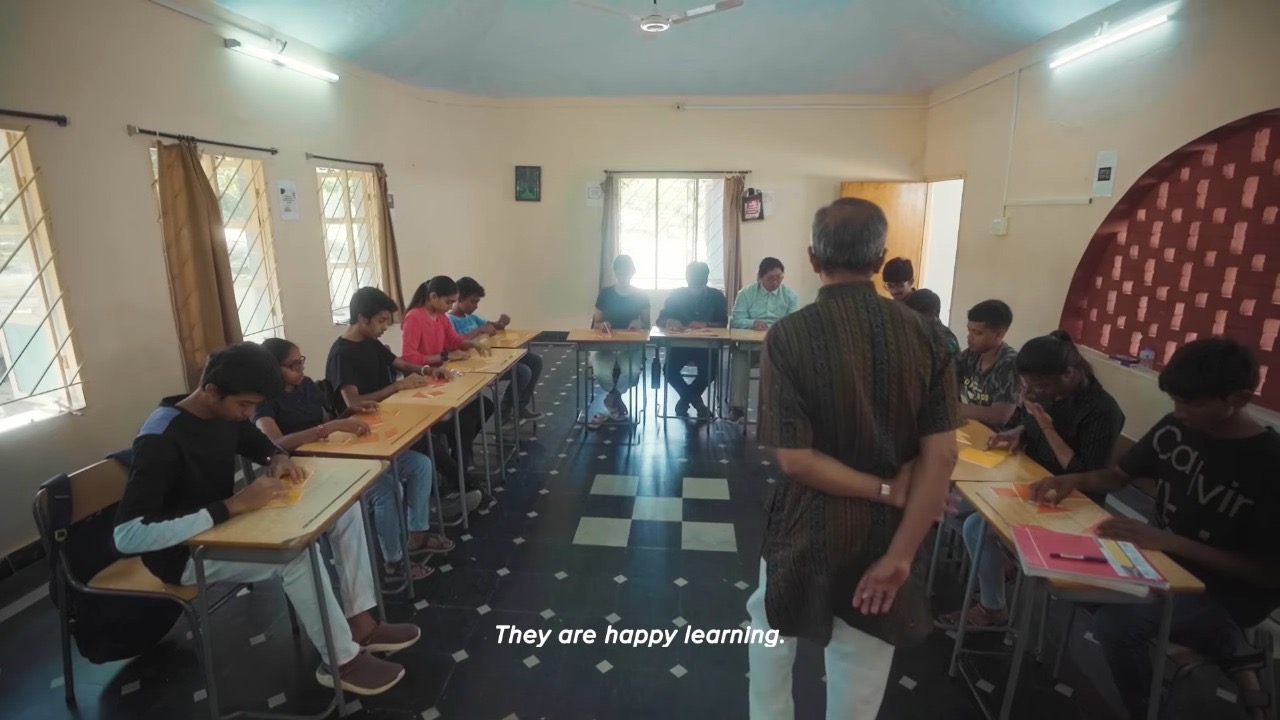
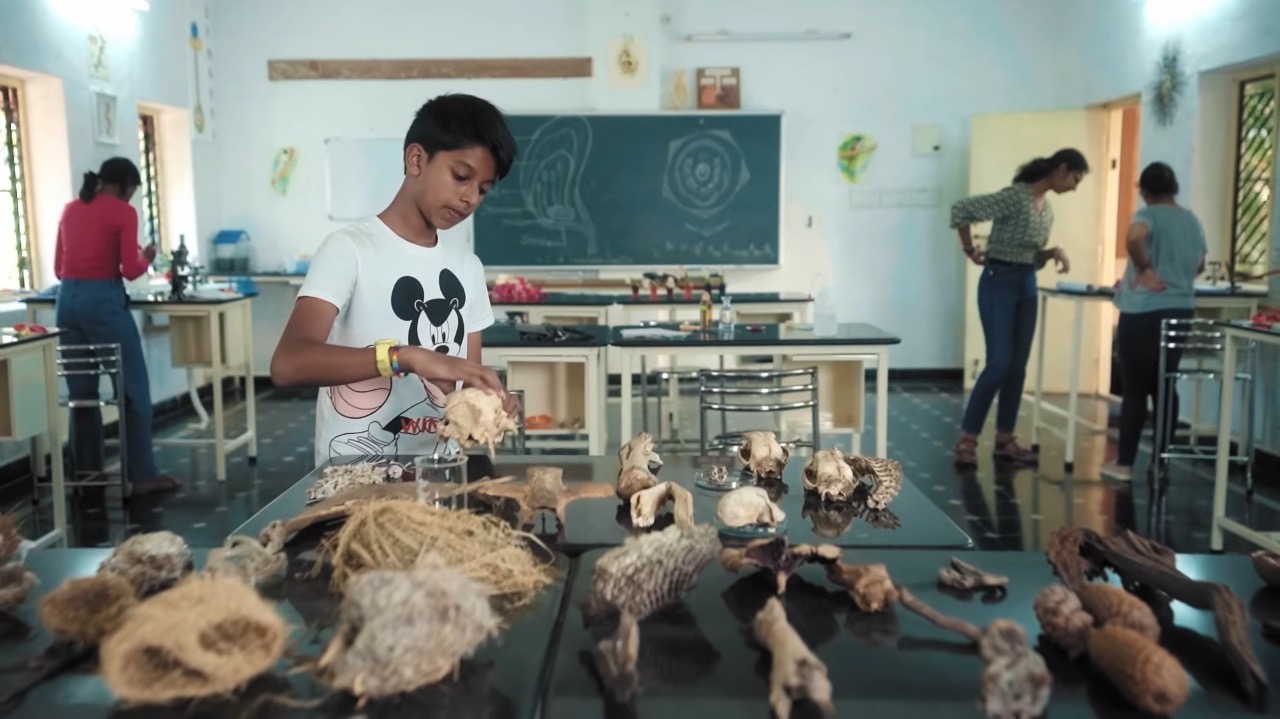
While emphasizing experiential learning in natural settings, the infrastructure at The Peepal Grove School includes essential academic facilities that support rigorous ICSE/ISC curriculum requirements. The campus houses well-equipped Physics, Chemistry, and Biology laboratories where students conduct experiments and investigations that extend classroom concepts into practical application. However, what distinguishes these labs is how they connect to the surrounding environment—biology lessons naturally extend into forest biodiversity studies, chemistry concepts find expression in understanding soil and water systems, and physics principles are explored through observation of natural phenomena.
Additionally, the school includes computer labs that provide necessary technological literacy while maintaining balance with the low-tech, nature-immersed learning that characterizes the institution. The infrastructure approach recognizes that students need exposure to technology without becoming dependent upon it, preparing them for a digital world while ensuring that screens don't replace lived experience and direct observation. When evaluating infrastructure at The Peepal Grove School, parents will find that academic facilities serve learning rather than driving it, supporting rather than dominating the educational experience in ways that prioritize understanding over mere information accumulation.
The Art Block: Dedicated Space for Creative Expression
Recognizing that creativity represents an essential dimension of human development, the infrastructure at The Peepal Grove School includes a dedicated art block where students explore visual arts, pottery, and various creative pursuits. This specialized space provides materials, equipment, and environment specifically designed for artistic work—from painting and drawing to sculpting and crafts. Having such dedicated infrastructure signals institutional values, demonstrating that creative expression deserves serious attention and proper resources rather than being squeezed into multipurpose rooms between other activities.
Moreover, the art block at The Peepal Grove School connects meaningfully with the natural surroundings, allowing students to bring outdoor inspiration into their creative work while also taking art outdoors—painting landscapes, sketching flora and fauna, and using natural materials in their creations. This integration of indoor and outdoor creative spaces reflects the school's philosophy that artificial boundaries between disciplines and environments limit rather than enhance learning. The infrastructure supports fluid movement between structured creative work and spontaneous artistic response to nature's beauty.
Sports Infrastructure: Balancing Physical Development with Natural Movement
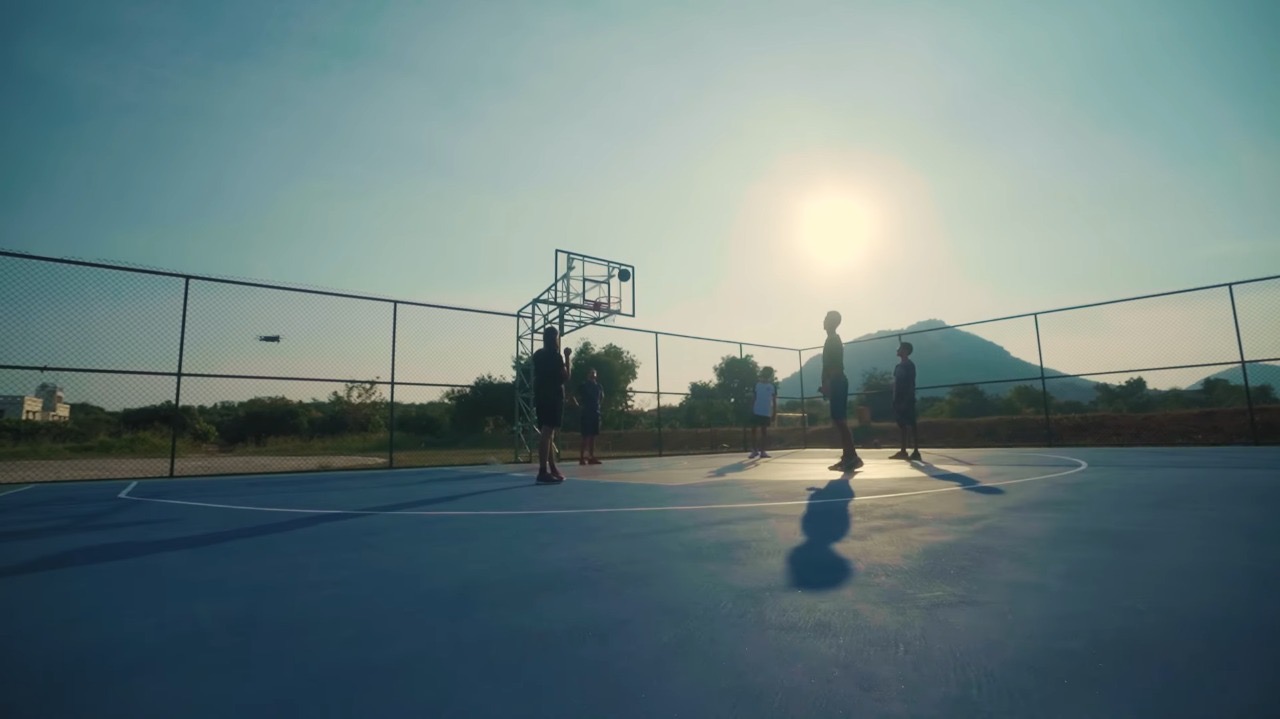
The infrastructure at The Peepal Grove School includes comprehensive sports facilities that promote physical development without emphasizing competition over wellbeing. The campus features playgrounds where students engage in various athletic activities, tennis courts for racquet sports, basketball courts for team play, and indoor badminton courts ensuring year-round access regardless of weather. These facilities provide structured opportunities for skill development, teamwork, and physical fitness essential for growing children spending extended periods in residential settings.
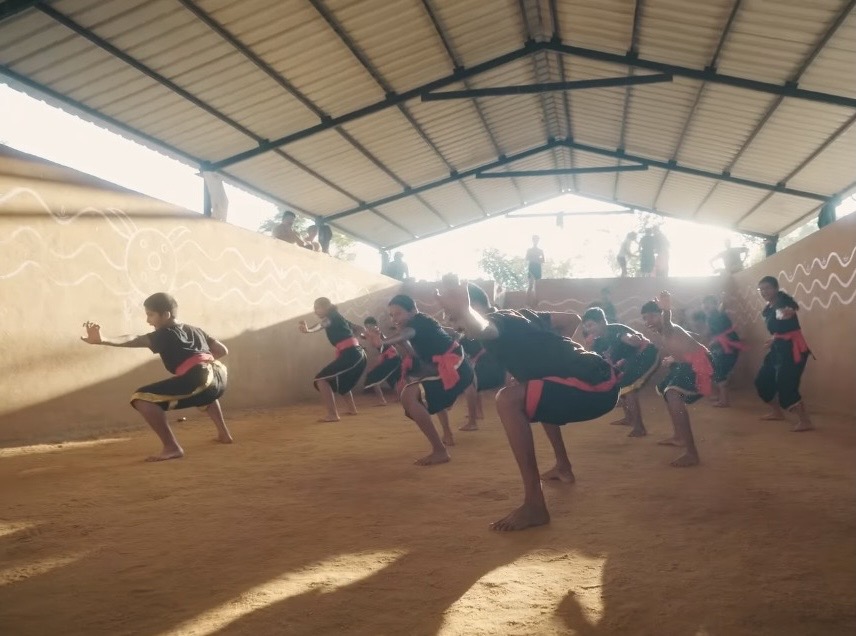
However, what truly distinguishes sports infrastructure here is the presence of a traditional Kalari pit—making this the only residential school in India with facilities for practicing Kalaripayattu, the ancient martial art form indigenous to South India. This unique infrastructure element connects students to cultural heritage while developing physical discipline, mental focus, and spiritual awareness that conventional sports alone cannot provide. The infrastructure at The Peepal Grove School demonstrates how facilities can honor tradition while supporting contemporary fitness needs, creating balanced approaches to physical education that develop body, mind, and character simultaneously rather than treating physical activity as mere recreation.
The Kalari Pit: Where Martial Arts Meet Cultural Heritage
The Kalari pit deserves special attention as perhaps the most distinctive infrastructure element at The Peepal Grove School. Kalaripayattu, one of the world's oldest martial art forms, requires specific training facilities traditionally constructed as sunken pits with precise dimensions and orientations. Having an authentic Kalari pit on campus means students don't just learn martial arts movements; they engage with centuries-old traditions in spaces designed specifically for this practice, experiencing the cultural and spiritual dimensions that define Kalaripayattu beyond mere physical techniques.
Furthermore, regular practice in the Kalari pit develops qualities central to the school's educational mission—discipline, focus, respect, perseverance, and mind-body integration. Students learn to control their bodies with precision, develop awareness of energy and breath, and cultivate patience through repetitive practice that gradually builds mastery. The infrastructure at The Peepal Grove School through this unique facility demonstrates commitment to holistic development that encompasses physical prowess, cultural knowledge, and spiritual growth—dimensions often neglected in conventional education focused narrowly on academic achievement and competitive sports.
Outdoor Learning Spaces: Nature as Educational Environment
Perhaps the most innovative aspect of infrastructure at The Peepal Grove School is the deliberate use of outdoor spaces as primary learning environments. The campus pathways connect different learning areas, transforming transitions into opportunities for observation and reflection. Teachers regularly conduct classes outdoors under tree canopies, beside ponds, or on hillsides, recognizing that varied settings enhance engagement and memory while connecting abstract concepts to concrete natural examples. Bird-watching becomes a biology lesson, exploring the campus transforms into geography study, and outdoor painting teaches both art techniques and careful observation of light, form, and color.
Additionally, the campus infrastructure includes spaces for camping and hiking activities that extend learning beyond day-to-day routines into immersive experiences where students develop self-reliance, teamwork, and appreciation for simplicity. Students venture into the nearby protected forest area for treks that provide authentic wilderness experiences, developing resilience, environmental awareness, and confidence in navigating natural settings increasingly foreign to generations raised in urban environments. The infrastructure at The Peepal Grove School demonstrates that sometimes the most valuable educational facilities are those we preserve rather than build, protecting natural spaces where authentic learning can unfold organically.
Carpentry Workshop: Hands-On Learning with Traditional Skills
The infrastructure at The Peepal Grove School includes a carpentry workshop where students engage in hands-on work with wood, tools, and construction projects. This facility provides more than vocational skills training; it offers kinesthetic learning experiences where students see direct results of planning, measuring, cutting, and assembling—developing spatial reasoning, problem-solving, and satisfaction in creating tangible objects through their own efforts. In an increasingly digital world, working with physical materials and traditional tools grounds students in practical skills and craftsmanship appreciation often absent from contemporary education.
Moreover, the carpentry workshop embodies the school's philosophy of head, heart, and hands education—where intellectual learning, emotional development, and physical work integrate rather than remaining separate domains. Students who struggle academically might excel in carpentry, discovering talents and building confidence through different intelligence pathways. The infrastructure at The Peepal Grove School recognizes that diverse facilities supporting varied learning styles ensure every student finds areas where they can experience competence and growth, developing well-rounded capabilities rather than narrow academic specialization.
Pottery Studio: Creative Expression Through Ancient Craft
Among the distinctive infrastructure elements at The Peepal Grove School is a pottery studio where students learn this ancient craft that combines artistry, patience, and connection to earth elements. Working with clay provides meditative, tactile experiences fundamentally different from screen-based activities dominating modern childhood. Students learn that creating beautiful, functional objects requires time, practice, acceptance of imperfection, and willingness to start over when pieces don't emerge as envisioned—lessons in persistence and humility that extend far beyond pottery itself.
Furthermore, pottery connects students to cultural traditions spanning millennia across civilizations, fostering appreciation for craftsmanship and handmade objects in a mass-production age. The infrastructure at The Peepal Grove School through facilities like the pottery studio demonstrates understanding that education should include diverse ways of knowing and creating—not just verbal and mathematical intelligences typically emphasized in conventional schools, but also artistic, kinesthetic, and naturalistic intelligences that pottery and similar activities develop. Students graduate with broader capability repertoires, better equipped to find their unique paths and contribute meaningfully regardless of whether those paths are conventionally academic.
Music and Dance Spaces: Cultural Arts as Core Curriculum
The infrastructure at The Peepal Grove School includes dedicated spaces for Carnatic music and Bharatanatyam dance—classical Indian art forms integrated into the curriculum rather than treated as optional extracurriculars. These facilities provide appropriate acoustics, flooring, and equipment for serious study of these demanding disciplines that require years of dedicated practice to achieve proficiency. Having proper infrastructure for classical arts signals that cultural heritage and artistic excellence rank equally with academic subjects in the institution's value system.
Additionally, regular practice in these arts develops discipline, aesthetic sensitivity, cultural knowledge, and performance confidence that benefits students across all areas of life. Learning Carnatic music trains ears to hear subtle tonal variations and develops mathematical understanding of rhythm patterns, while Bharatanatyam cultivates physical control, storytelling ability, and appreciation for mythology and symbolism. The infrastructure at The Peepal Grove School ensures that students from diverse backgrounds access these rich cultural traditions, many discovering passions and talents they never would have encountered in schools where arts remain marginalized or entirely absent from curriculum.
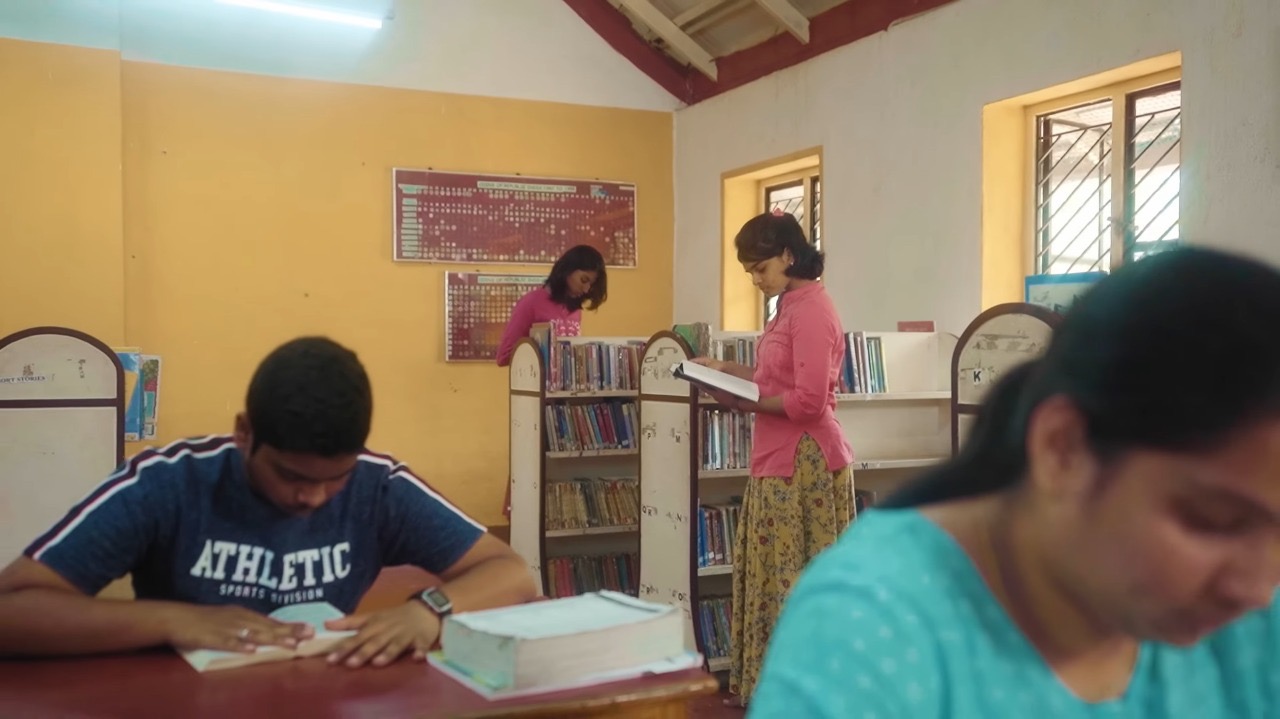
Sustainable Infrastructure: Living Values Through Campus Design
What truly distinguishes infrastructure at The Peepal Grove School is its alignment with sustainability principles and harmony with natural systems. The campus adopts eco-friendly practices throughout, minimizing environmental impact while demonstrating to students how humans can live responsibly within ecological limits. Water management systems, waste handling, energy use, and building materials all reflect conscious choices to tread lightly on the land, providing living lessons in environmental stewardship more powerful than any textbook chapter on ecology or climate change.
Moreover, this sustainable approach to infrastructure means students daily witness alternatives to wasteful, destructive patterns dominating contemporary society. They see that comfort and quality of life don't require excessive consumption or disregard for environmental consequences. The infrastructure at The Peepal Grove School educates through example, shaping values and habits that students carry forward long after graduation, hopefully influencing their choices as adults navigating complex environmental challenges requiring urgent action informed by respect for nature rather than exploitation of resources.
Medical and Psychological Support Infrastructure
Understanding that holistic wellbeing requires more than physical health, the infrastructure at The Peepal Grove School includes comprehensive support systems addressing students' complete needs. An in-house nurse remains on call 24/7, ensuring immediate response to illnesses, injuries, or health concerns inevitable when children live together in residential settings. Additionally, a pediatrician from Swaasthya Hospital at Madanapalle visits the campus weekly, providing specialized medical oversight and ensuring students receive expert healthcare guidance. This medical infrastructure provides security for parents while ensuring students receive prompt, appropriate care without delays that could allow minor issues to escalate into serious problems.
Moreover, the school employs an experienced psychological counselor—infrastructure often overlooked but critically important for adolescent development. Having professional mental health support available means students navigating typical teenage challenges—identity questions, relationship difficulties, academic pressures, family concerns—can access guidance from trained professionals who understand developmental needs and can provide confidential support. The infrastructure at The Peepal Grove School demonstrates understanding that student wellbeing encompasses emotional and psychological dimensions requiring professional attention equal to physical health, creating comprehensive support systems that nurture whole persons rather than merely educating minds.
Dining Facilities: Nourishing Bodies and Building Community
The infrastructure at The Peepal Grove School includes kitchen and dining facilities serving nutritious vegetarian meals that fuel students' physical growth while reflecting values of simplicity and non-violence central to the institution's philosophy. Shared meals represent more than nutrition; they're community-building rituals where students and teachers gather, conversations flow, and bonds strengthen. The dining infrastructure creates structured times when the entire school community comes together, reinforcing the family-like atmosphere distinguishing residential schools from day institutions where students scatter to individual homes each evening.
Furthermore, vegetarian food sourced responsibly and prepared with care teaches students about dietary choices, agricultural practices, and connections between what we eat and broader environmental and ethical considerations. Students accustomed to packaged, processed foods experience how simple, wholesome ingredients can nourish bodies while minimizing ecological footprints. The infrastructure at The Peepal Grove School ensures that every aspect of daily life—including meals—carries educational meaning, shaping consciousness and values through lived experience rather than abstract instruction disconnected from practical reality.
Quiet Spaces: Infrastructure for Contemplation
Among the thoughtful infrastructure elements at The Peepal Grove School are the numerous quiet spaces naturally present throughout the campus—shaded spots under trees, benches overlooking ponds, hillside clearings—where students can retreat for reading, reflection, or simply being still. In a world increasingly dominated by constant stimulation and compulsive connectivity, the infrastructure at The Peepal Grove School protects spaces for solitude and silence, recognizing that self-knowledge and inner development require periods of withdrawal from social demands and external activities. Students learn to be comfortable alone with their thoughts, developing inner resources that sustain them through life's inevitable challenges and transitions.
The Philosophy Behind the Infrastructure
What ultimately distinguishes infrastructure at The Peepal Grove School is how physical facilities express and enable the institution's educational philosophy. Every element—from the preserved forest to the Kalari pit to the outdoor classrooms to the art block—serves the vision articulated by founder Sri M: education that nurtures not just minds but hearts and spirits, that develops competence alongside character, and that prepares students not merely for careers but for lives of purpose and service. The infrastructure doesn't dictate this philosophy; it flows from it, with each facility choice reflecting deep consideration of how spaces shape consciousness and community.
Moreover, the infrastructure demonstrates that educational excellence doesn't require the latest technology or the most expensive buildings. Sometimes it requires exactly the opposite—preserving natural spaces, embracing simplicity, prioritizing relationships over resources, and trusting that when infrastructure supports genuine human connection and deep engagement with knowledge, extraordinary learning emerges organically. The infrastructure at The Peepal Grove School challenges conventional assumptions about what schools need, offering alternative vision where less can indeed be more when choices are guided by wisdom rather than mere wealth or fashion.
Conclusion: Infrastructure as Silent Teacher
The infrastructure at The Peepal Grove School functions as a silent teacher—shaping students' experiences, values, and consciousness through daily encounters with spaces designed to support holistic development. From the 30-acre campus providing room for exploration and growth, to specialized facilities like the unique Kalari pit, to sustainable practices modeling environmental responsibility, to residential arrangements building family-like communities—every infrastructure element contributes to the transformative education occurring within this enchanting valley in Chittoor, Andhra Pradesh.
For parents seeking schools where infrastructure genuinely serves educational mission rather than existing merely for marketing appeal, The Peepal Grove School offers compelling alternative vision. The infrastructure here recognizes that great education requires more than smart boards and air conditioning; it requires spaces that inspire wonder, facilities that develop diverse capabilities, environments that connect students to nature and culture, and communities where authentic relationships can flourish. When infrastructure aligns so completely with values and pedagogical philosophy, it ceases to be mere physical plant and becomes an integral partner in the sacred work of nurturing young hearts and minds into confident, compassionate, capable human beings prepared to serve and lead in an increasingly complex world.
Note: Blogs by Yellow Slate are written based on information, knowledge and perspective of the writer. While every caution has been taken to provide readers with accurate information, please use your discretion before taking any decisions based on the information in this blog. In case you find any information that is factually wrong or something that could be made better, please write to us at contact@yellowslate.com.
Curious about how we arrived at this list? We believe parents deserve full transparency on how schools are evaluated and selected. to understand our school selection methodology.


