Transform Your Student Journey: Understanding GoSchool's HyFlex Learning Ecosystem & Personalized Learning Paths
If you're evaluating online high schools for your child, you've likely encountered a fundamental tension: how do you get the personalized attention of a traditional school combined with the flexibility and technology of online learning? Most online schools force you to choose between these two, but GoSchool doesn't believe in that compromise. Instead, the school has built something fundamentally different—a HyFlex learning ecosystem that promises to deliver cutting-edge personalization at scale, powered by analytics and pedagogy working hand-in-hand.
The reality for many parents is that traditional schooling feels increasingly disconnected from how today's learners actually work and grow. Students spend their time in rigid schedules that ignore individual pace and learning style. Meanwhile, pure online education risks becoming isolated and impersonal. GoSchool, founded in 2021 as a response to this educational gap, has created what it calls a "New Age HyFlex Learning Ecosystem"—a framework that combines face-to-face, online, and on-campus learning experiences in service of true personalization.
What makes this particularly compelling is that GoSchool isn't just talking about flexibility or personalization in abstract terms. The school has invested in a sophisticated infrastructure including analytics systems, ePortfolios, competency-based progression, and learner profiling tools specifically designed to make personalization real and measurable. For parents considering GoSchool, understanding how this ecosystem actually works—how the technology, pedagogy, and human elements interact—becomes essential to making an informed decision about your child's high school experience.
What Is HyFlex Learning? Moving Beyond Traditional + Online
Before diving into GoSchool's specific implementation, it's worth understanding what HyFlex learning actually means. The term "HyFlex" combines "hybrid" and "flexible," representing an educational model that goes beyond simply offering classes online or in-person. Instead, it creates an integrated learning environment where online, offline, and on-campus experiences work together toward clearly defined learning objectives.
At its core, HyFlex learning recognizes what neuroscience and educational research have demonstrated: students don't learn the same way, and they shouldn't be forced into identical learning pathways. Some students thrive with synchronous (live) instruction; others need asynchronous (self-paced) components. Some benefit from collaborative group work; others make breakthrough progress through independent study. A truly effective HyFlex model accommodates all these variations while maintaining coherence and quality.
GoSchool takes this concept and implements it through what the school describes as "high-tech yet high-touch" delivery. This phrase captures the school's philosophy: cutting-edge technology enables personalization, but technology never replaces human connection. Instead, the two amplify each other. A teacher using analytics might notice a student struggling with a particular concept and use that insight to personalize their one-to-one mentoring session. The technology surfaces the need; the human relationship addresses it.
This integration proves critical because online education's traditional weakness—isolation and lack of personal connection—gets directly addressed. Meanwhile, the technology components overcome traditional schooling's rigidity, creating something genuinely new rather than simply bolting online options onto a traditional model.
The Learning Ecosystem: How GoSchool Structures Personalization
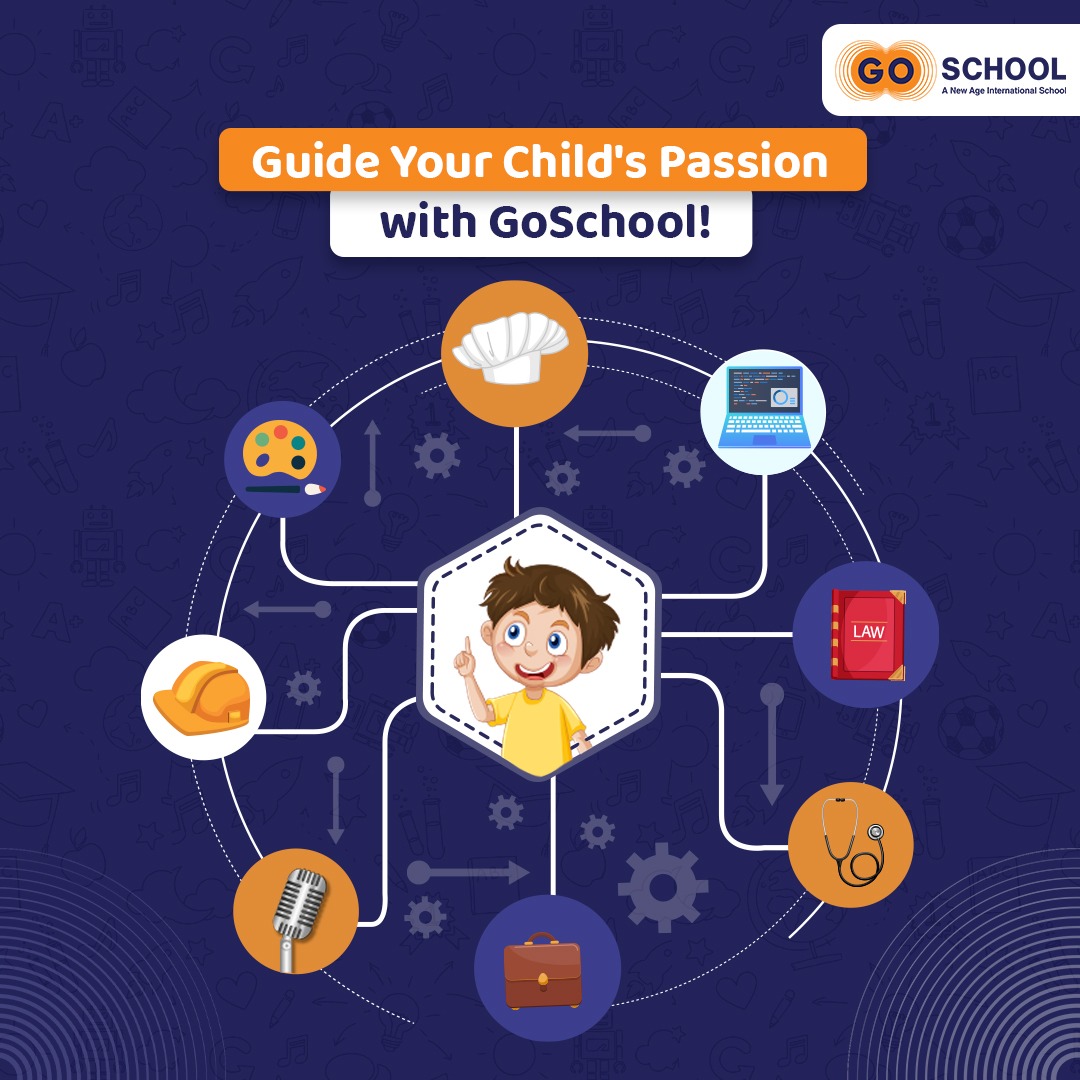
Understanding GoSchool's HyFlex approach requires examining the interconnected systems that make personalization systematic rather than incidental. The school has deliberately designed what it calls a "learning ecosystem"—a word choice that matters. An ecosystem implies multiple components working together, each necessary but none sufficient alone.
The foundation is learner profiling, which sounds technical but operates at a fundamentally human level. Rather than treating all students as identical learners, GoSchool develops individual learner profiles designed to gain a deeper understanding of each student's unique learning needs and preferences. This might capture information about whether a student learns better through visual, auditory, or kinesthetic modalities; their pace preference; their motivation drivers; their confidence areas versus growth areas; and their personal interests and career aspirations.
Once a learner profile exists, GoSchool uses it to create personalized learning plans that match each student's learning goals, strengths, and interests. This moves beyond surface-level customization. Rather than every student following an identical curriculum at an identical pace, personalized learning plans allow students to progress based on demonstrated competency while pursuing content aligned with their interests and career aspirations.
Supporting these personalized pathways is what the school calls "competency-based progression." Traditional schooling measures progress through time: students spend a year in Grade 9, whether they've mastered the content or not. Competency-based progression inverts this logic—students progress when they've demonstrated mastery of essential competencies, regardless of time spent. This prevents both the frustration of advanced students waiting for the class to catch up and the discouragement of struggling students being pushed forward before they're ready.
The infrastructure enabling this sophistication is where technology becomes essential. GoSchool deploys three interconnected analytics systems. Academic analytics provide faculty with detailed performance data allowing them to comment and give feedback on students' learning progress. Learning analytics interpret this data against pedagogical intent—moving beyond grades to understand what students have actually learned and where gaps remain. Predictive analytics go further, using patterns in past data to anticipate what students might need next, allowing the school to surface relevant content proactively rather than reactively.
Personalized Learning Plans: The Blueprint for Individual Success
The concept of a personalized learning plan might sound complex, but GoSchool implements it as a practical tool that students, parents, and teachers can all understand and use together. Rather than standardized learning objectives for every student, personalized learning plans shape the educational journey around individual students.
Here's how this works in practice. When a student enrolls at GoSchool, the school doesn't simply hand them a standard curriculum. Instead, the school works with the student and family to understand their learning goals (which might be academic excellence, preparation for specific university programs, development of particular skills, or pursuit of concurrent professional interests). The plan then identifies their strengths and interests, determining which areas they can progress through more independently and which areas require more structured support.
Practically, this means a student interested in STEM might explore deeper problem-solving projects in mathematics and science while moving more quickly through humanities content. Another student passionate about business might engage with case study analysis and real-world business projects integrated into their curriculum. Yet another student balancing professional sports commitments might structure their online and campus components to accommodate training schedules while maintaining rigorous academic progress.
GoSchool documents all of this in the personalized learning plan, which becomes a living document updated as the student progresses. A progress manager assigned to each student closely monitors whether the student is advancing as expected, becoming the student's individual "success coach" who can adjust the plan if life circumstances change or progress patterns shift.
The Technology Architecture: Making Personalization Visible and Actionable
Many schools claim to personalize learning, but GoSchool's technology architecture is specifically designed to make personalization visible, measurable, and continuously improving. Rather than personalization being an idea in a principal's vision statement, it's embedded in the actual learning experience through multiple technology components working together.
The ePortfolio represents one critical piece of this architecture. Rather than students accumulating test scores and grades over time, ePortfolios allow students to build a multimedia collection of their learning evidence. A student's ePortfolio might contain video presentations, written essays, creative projects, collaborative work samples, and research outputs—essentially a rich record of learning across multiple modalities. This proves particularly valuable for showcasing growth and demonstrating competency in ways traditional transcripts cannot.
More importantly, as students add work to their ePortfolios, every entry is tagged against specific competencies and learning objectives. This creates a data trail that both students and educators can examine. A student looking at their ePortfolio can see their growth trajectory. A teacher reviewing a student's ePortfolio can see patterns—perhaps noticing that this student excels at synthesis and creative thinking but struggles with detailed technical analysis, allowing for targeted support. GoSchool uses this data to inform instruction continuously.
Undergirding the entire ecosystem is what GoSchool calls "learning analytics"—systematic interpretation of student learning data against pedagogical intent. This isn't simply about dashboards and data visualization, though those tools exist. Rather, learning analytics represents a deliberate commitment to understanding how learning happens, where gaps exist, and what interventions might help. Analytics surface patterns that humans might miss—perhaps noticing that students consistently struggle with a particular concept at a specific point in the curriculum, allowing for curriculum adjustment before the next cohort encounters the same challenge.
Human Elements: Why Technology Without Teachers Fails
It's tempting to imagine that sophisticated technology could manage personalization automatically, but GoSchool's architecture insists on human elements at every level. In fact, the school explicitly describes its model as "high-tech yet high-touch," deliberately pairing technology with human connection.
This plays out through multiple dedicated support roles. Every student receives progress monitoring from an assigned progress manager who closely tracks whether the student is advancing as planned. Unlike teachers who might see dozens of students briefly, progress managers develop genuine understanding of individual students' learning patterns, challenges, and aspirations. They become advocates for the student within the school system, the person who notices when something isn't working and has the authority to initiate changes.
Beyond progress management, GoSchool assigns every student a dedicated mentor who provides one-to-one guidance and support on their learning journey. This proves particularly valuable in an online or hybrid environment where students might otherwise feel isolated. The mentor relationship provides continuity, someone students can come to with academic questions, learning strategy questions, or simply to process their experience.
For students facing academic struggle, the school maintains qualified counselors available to discuss what's on their mind. These counseling services address both academic and emotional dimensions—recognizing that learning challenges often have emotional components. When a student is falling behind, it's worth understanding whether the issue is conceptual misunderstanding, ineffective study strategies, anxiety, external stressors, or something else entirely. GoSchool's counseling services provide that understanding, allowing interventions to address root causes rather than symptoms.
Technical support rounds out the human infrastructure. GoSchool maintains a dedicated student support services team accessible for technical issues, general information questions, or other queries. In a hybrid or fully online environment, technical problems can derail learning quickly, so having responsive support proves essential to keeping students engaged.
Peer Learning and Collaboration: Active Rather Than Passive Learning
Despite the personalized nature of learning plans, GoSchool resists the isolation that can characterize online education by deliberately building peer learning and collaboration into its model. The school describes peer learning as "revolutionary," and in the context of online education's traditional weakness around collaboration, this emphasis matters.
Within GoSchool's learning ecosystem, students and faculty work together to generate content and create an adaptive system where learning happens collaboratively. Rather than students passively receiving instruction delivered by the school, they actively participate in co-creating learning. This might look like students working in peer learning groups on complex projects, collaborating asynchronously to solve problems, or working with teachers to develop study materials and resources for their cohort.
This approach serves multiple purposes simultaneously. Academically, peer learning leverages the principle that explaining concepts to others deepens understanding. A student who helps a peer understand a challenging concept will invariably deepen their own understanding in the process. Socially and emotionally, collaboration in an online or hybrid environment prevents the isolation that pure self-paced learning can create. Students develop connections with peers facing similar intellectual challenges, reducing the loneliness that can accompany online education.
Furthermore, peer learning develops crucial 21st-century skills. Collaboration, communication, and creative problem-solving increasingly matter more in real workplaces than the ability to answer test questions. By building genuine collaborative experiences into the curriculum rather than adding them as an afterthought, GoSchool helps students develop these skills naturally through authentic academic work.
From Theory to Practice: What This Means for Your Student
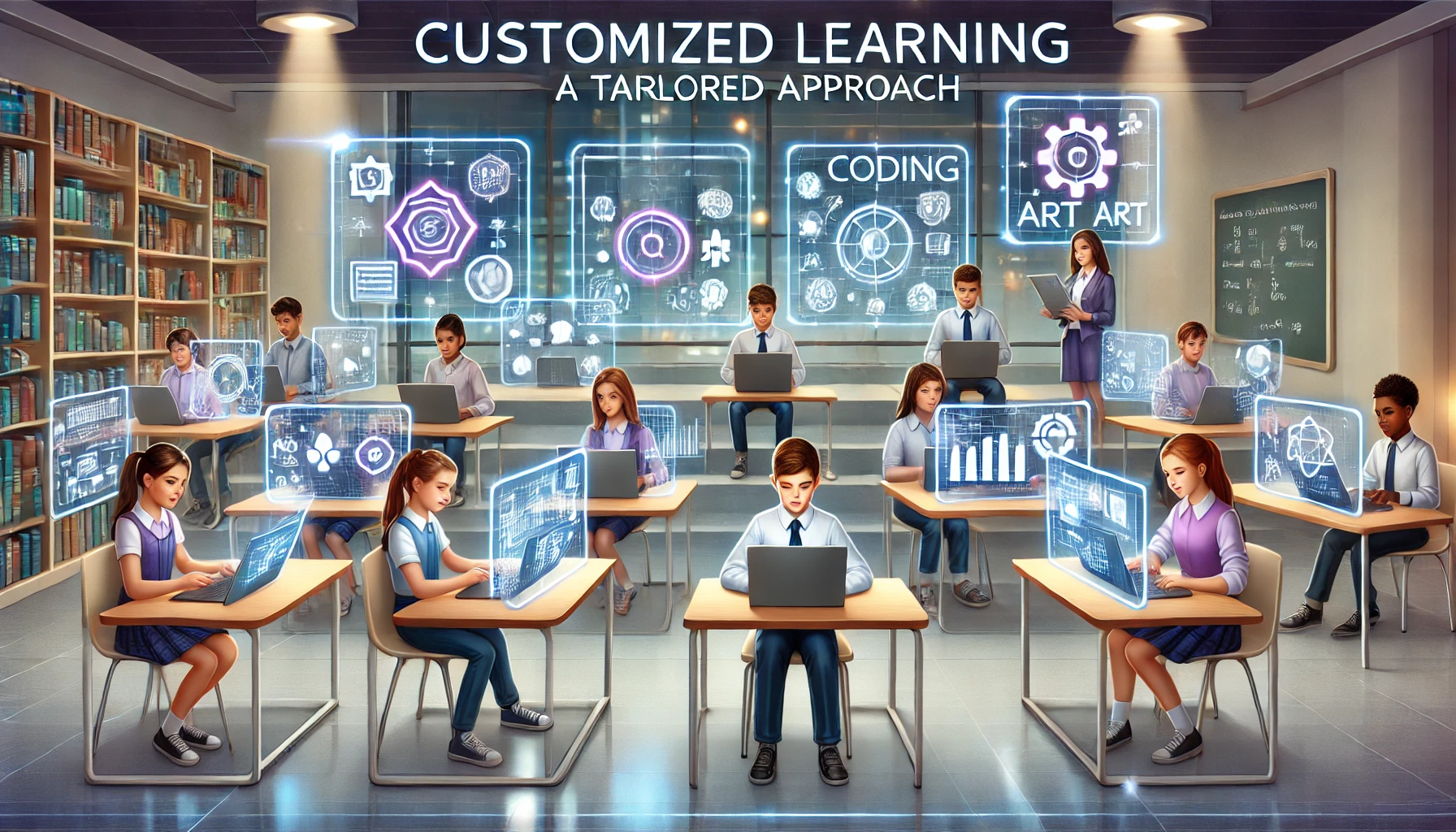
Understanding GoSchool's HyFlex learning ecosystem and personalized learning pathways works best when you can envision how this actually affects a student's daily experience. While every student's path will differ based on their learning profile and goals, some patterns emerge.
Consider a typical week for a GoSchool student. Rather than sitting in a classroom for six hours, they might engage in a mix of activities. Some components happen asynchronously—perhaps completing a problem set at their own pace, reviewing instructional videos, or working independently on a project that aligns with their learning plan. Other components happen synchronously, either online with the instructor or other students, or in-person on campus (depending on the student's HyFlex structure and location). Peer learning groups might meet online to collaborate on an assignment. The student has a one-to-one tutoring session with their mentor addressing an area where they're struggling. They contribute to their ePortfolio, adding evidence of learning from their week's work.
Throughout this week, analytics are quietly working in the background. The school's systems track which concepts the student has engaged with, how deeply they've engaged, where they've struggled, and where they've excelled. A progress manager reviews this data in relation to the student's personalized learning plan, ensuring they're on track. If the data suggests the student is moving slower through a particular unit than expected, the progress manager might check in to understand why—is it conceptual difficulty? Is something else in the student's life consuming their attention? Is the learning plan itself misaligned with the student's actual needs? This conversation might lead to intervention—perhaps connecting the student with additional tutoring, breaking the content into smaller chunks, or adjusting the pace.
Critically, this personalization isn't something that happens to the student—it's something the student participates in. In many schools, personalization is invisible; students simply do work and receive grades. At GoSchool, students understand their learning profile, can see their learning goals, watch their ePortfolio grow, and have regular conversations with their mentors and progress managers about their learning journey. They become active agents in their education rather than passive recipients of school services.
Competency-Based Progression: Mastery Over Seat Time
One of GoSchool's most significant departures from traditional schooling is its commitment to competency-based progression. Traditional high schools organize learning by time—students spend a year in each grade, moving forward whether they've truly learned the material or not. This creates a persistent problem: students fall behind and rarely catch up, or advanced students waste time waiting for peers to catch up.
Competency-based progression inverts this logic. Rather than asking "how much time has a student spent on this material?" GoSchool asks "has the student demonstrated mastery of the essential competencies?" A student who quickly grasps a concept might demonstrate competency well before a full unit is completed, allowing them to progress. Another student might need extended time with additional support to reach competency, and they progress when they've genuinely learned, not after a arbitrary time period has elapsed.
This seemingly technical change has profound human implications. It means struggling students aren't perpetually left behind, discouraged and flagged as "below grade level." It means advanced learners aren't bored waiting for others. It means assessment isn't a one-time event at the end of a unit but an ongoing process of gathering evidence that students have learned.
Implementing competency-based progression requires clarity about what students actually need to know and be able to do. GoSchool uses Cambridge International and Pearson Edexcel curricula, both well-established frameworks with clearly defined competencies. Rather than loosely following a curriculum, the school translates these frameworks into specific, measurable competencies that students must demonstrate. Students and parents can understand exactly what competency means, what evidence demonstrates it, and when a student has achieved it.
Hands-On Learning and Application: Beyond Passive Absorption

A persistent criticism of online education is that it can devolve into passive viewing of instructional videos and completion of rote worksheets. GoSchool deliberately counters this through hands-on learning and application experiences embedded in curriculum.
The school assigns individual and group projects specifically designed to allow students to explore and apply what they've learned in authentic contexts. Rather than studying economics as abstract concepts, students might conduct market research projects, analyze real business decisions, or develop their own business plans. Rather than treating science as formulas to memorize, students work through investigations where they gather data, analyze results, and draw conclusions. These projects aren't extras added to "real" schooling—they form core components of how GoSchool engages students with content.
This emphasis on hands-on learning directly connects to GoSchool's broader commitment to developing active learners rather than passive participants. The school explicitly states that "all our students get access to smart learning tools so they can become active learners, not passive participants." This isn't simply motivational language—it shapes actual pedagogy. When students are positioned as investigators, creators, and problem-solvers rather than consumers of information, engagement and learning deepen fundamentally.
Moreover, hands-on projects develop the applied skills that matter for success beyond school. A student who's worked through genuine business analysis, collaborative problem-solving, and creative project completion has skills and confidence that transcend test scores. They've experienced what success in intellectual work feels like and developed strategies for approaching novel, complex problems.
Conclusion: Education Designed for How Humans Actually Learn
Ultimately, GoSchool's HyFlex learning ecosystem and personalized learning pathways represent a fundamental rethinking of how high school should work. Rather than accepting the constraints of traditional schooling (one pace, one pathway, seat time as the measure) or embracing the isolation of pure online education, the school has built an infrastructure that attempts to preserve the human elements essential to learning while leveraging technology to make personalization possible at scale.
The sophistication of this infrastructure—from learner profiling to competency-based progression to analytics to ePortfolios—shouldn't obscure the fundamental principle driving it: students are different, they learn differently, and education should honor and serve those differences rather than trying to pound them into conformity. This principle, implemented with genuine care for both technology and human connection, creates something that genuinely deserves to be called a "radically refreshing alternative" to traditional schooling.
For parents considering GoSchool, the question isn't whether HyFlex learning or personalized pathways sound good in theory—they do. The real question is whether the school has genuinely implemented these concepts through both technology and people, or whether they remain aspirational buzzwords. Based on the detailed infrastructure documented across GoSchool's website and approach, the implementation appears genuine. The school has invested in the systems, training, and people needed to make personalization real.
Ready to explore whether GoSchool's HyFlex learning model is right for your student? Contact GoSchool at +91 9179469179 or admissions@go-school.in to discuss your child's learning needs and explore how their personalized learning pathways might support their success. You can also download the GoSchool Information Brochure to dive deeper into the curriculum and learning model, or take their free Interest Assessment Quiz to understand your child's learning profile.
Note: Blogs by Yellow Slate are written based on information, knowledge and perspective of the writer. While every caution has been taken to provide readers with accurate information, please use your discretion before taking any decisions based on the information in this blog. In case you find any information that is factually wrong or something that could be made better, please write to us at contact@yellowslate.com.
Curious about how we arrived at this list? We believe parents deserve full transparency on how schools are evaluated and selected. to understand our school selection methodology.


