Kunskapsskolan International School
✓ VerifiedThe EFA Global monitoring report published by UNESCO in 2005 focused on the quality of education and stated that the role of education is to encourage learner’s creative and emotional development, support the objective of peace citizenship and security, promote equality and pass global and local cultural values down to the future generation. ‘Learning: the treasure within’ report to UNESCO by the international commission on educational quality saw education to be based on Learning to know Learning to do Learning to live Learning to be It acknowledges that learners build their knowledge by combining indigenous and external elements, focus on practical application, imbibe critical life skills and develop proficiency needed to achieve full potential. Quality school education fosters the development of innate qualities in an individual and strives to synchronize the rhythm of an individual’s life with the rhythm of the society which forms the building block or foundation for personal growth. Education today, however, equates learning to the ability of a student to recall, reproduce and replicate. This is a far cry from either the indian guru ‘shishya parampara’ which gave emphasis on receiving knowledge, its assimilation and use in real life or alternatively to the needs of the competitive global community we live in today. The current scenario ignores the fact that each student is different and has his/her own pace of learning. Education needs to prepare our students for a world of tomorrow that is growing smaller by the day, its challenges, inter cultural experiences, interactions and dynamic global ethos. Unfortunately though, the education instead of being rich, constructive, interactive and creative has become monotonous and mechanical.





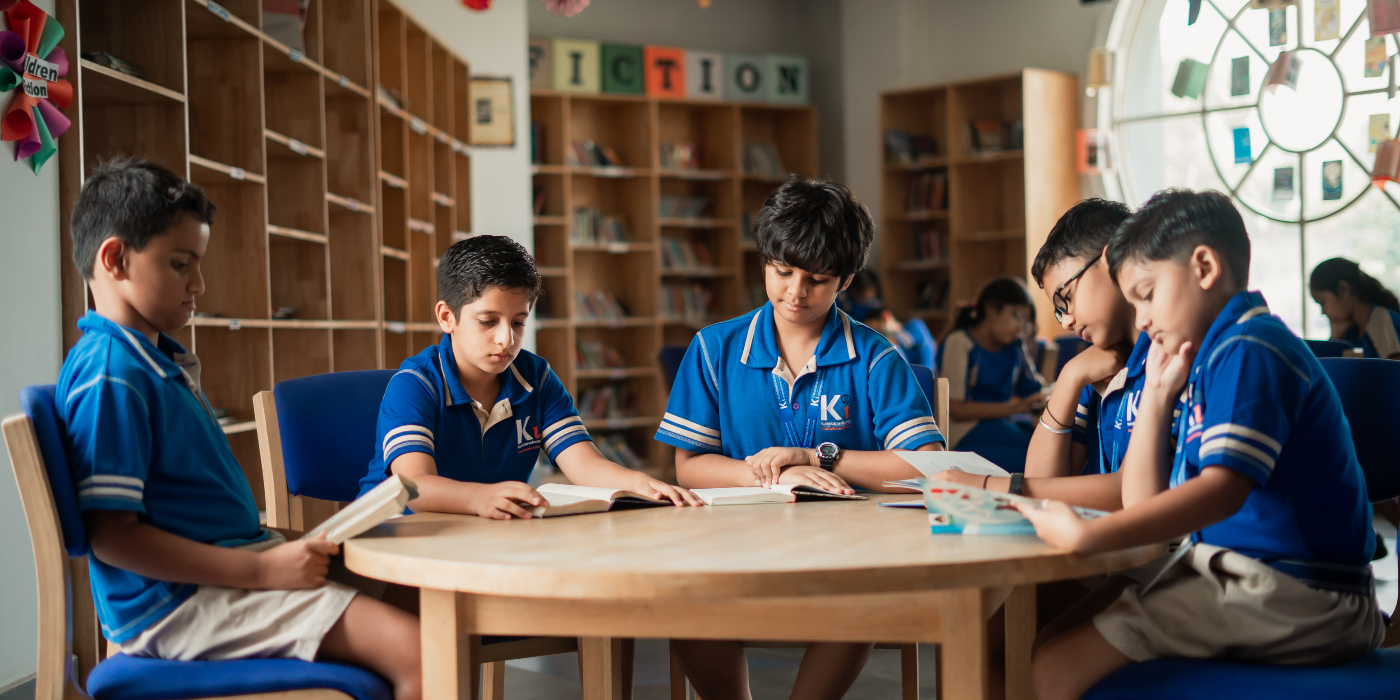
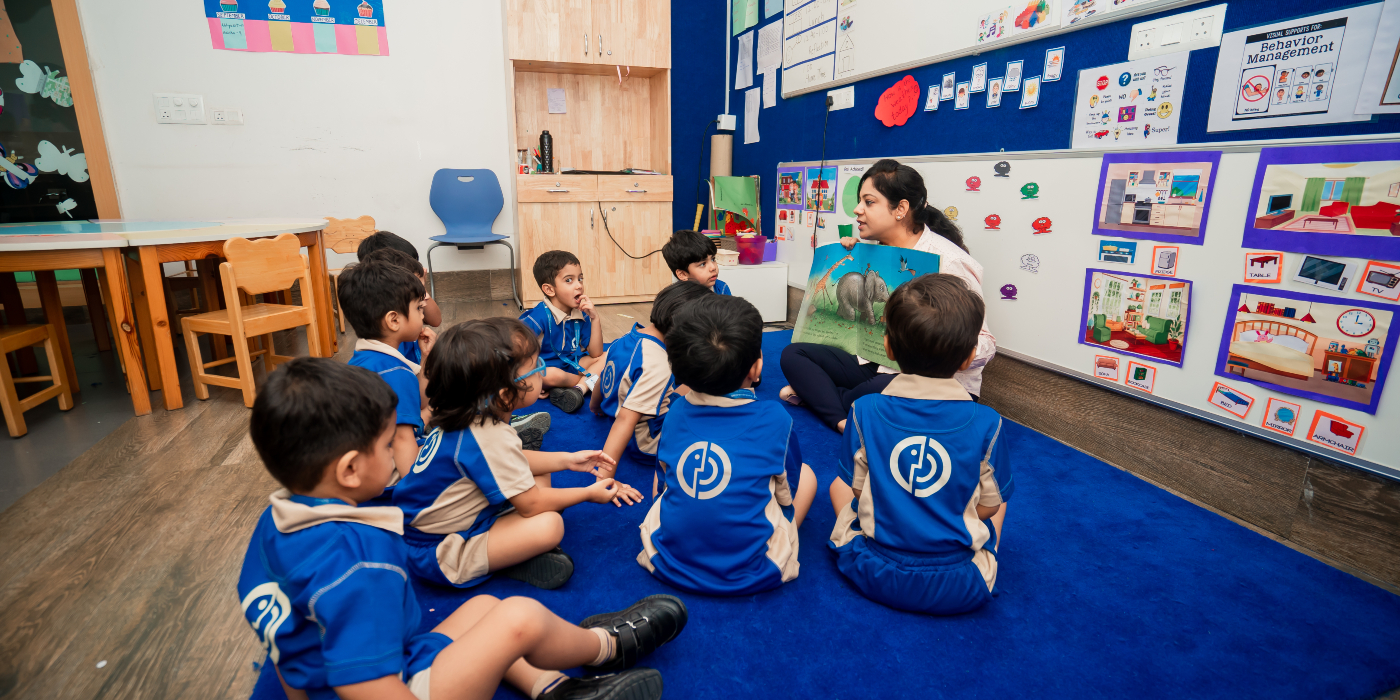
About Kunskapsskolan International School, Sector 70
The EFA Global monitoring report published by UNESCO in 2005 focused on the quality of education and stated that the role of education is to encourage learner’s creative and emotional development, support the objec...
The EFA Global monitoring report published by UNESCO in 2005 focused on the quality of education and stated that the role of education is to encourage learner’s creative and emotional development, support the objective of peace citizenship and...
Kunskapsskolan International School, Sector 70 Fees
| Grades | Fee per year |
|---|---|
| Pre Nursery Estimate from a third-party listing, not published by the school | — |
| Class 1 – Class 3 Estimate from a third-party listing, not published by the school | — |
| Class 4 – Class 8 Estimate from a third-party listing, not published by the school | — |
| Class 9 – Class 10 Estimate from a third-party listing, not published by the school | — |
| Class 11 – Class 12 Estimate from a third-party listing, not published by the school | — |
| Toddler – UKG Estimate from a third-party listing, not published by the school | — |
Kunskapsskolan International School, Sector 70 Location
More About Kunskapsskolan International School, Sector 70
✓ Reviewed informationSchool Overview
Kunskapsskolan International School, Sector 70 Reviews
Be the first to share your experience — help other parents make the right choice
Be the first to share your experience — help other parents make the right choice
Kunskapsskolan International School, Sector 70 Details
Kunskapsskolan International School, Sector 70 Gallery
17 Photos


Kunskapsskolan International School, Sector 70 Academics
Boards
Grades
Category
Kunskapsskolan International School, Sector 70 Facilities & Amenities
Kunskapsskolan International School, Sector 70 Sports & Extracurriculars
 Squash
 Football
 Swimming
 Tennis
 Skating
 Shooting
 Basketball
 Badminton
 Athletics
Kunskapsskolan International School, Sector 70 Faculty

Calle Emilsson
Chairman
Dr. Rupa Chauhan
Director Academic Operations / Head of School,…
Double master's degree, 30+ years experience across CBSE, Cambridge, IB
Kavita Sinha
Principal, Kunskapsskolan International
MBA (University of Calcutta), MA Political Science (Osmania University), Certified IB Educator,…
Garima Khurana
Diploma Coordinator, Kunskapsskolan…
Expertise in IB and Cambridge (IGCSE and A-Levels) curricula
Asiya Bedi
Associate Vice Principal, Kunskapsskolan…
10+ years professional experience, English language facilitator
Kalpana Hariharan
Head Mistress, Kunskapsskolan International
Over two decades experience in early years and primary education
Kunskapsskolan International School, Sector 70 Videos
2 Videos

Kunskapsskolan International School, Sector 70 Documents & Downloads
About Us
Yellow Slate is your very own school search engine, which will help you narrow down the best school for your child based on all your preferences and parameters.
Quick Links
Home About Us Schools Reviews Videos Parent Tools Blog Counsellors Claim School Contact Us Sitemap Privacy Terms of ServicesExplore Schools in Your City
Schools in Kukatpally Schools in Kondapur Schools in Miyapur Schools in Financial District Schools in Attapur Schools in Bachupally Schools in Kompally Schools in Nizampet Schools in Begumpet Schools in NalagandlaLogin For Schools
School LoginCurriculum based Schools
State Board Schools in Hyderabad CBSE Schools in Hyderabad ICSE Schools in Hyderabad IB Schools in Hyderabad IGCSE Schools in Hyderabad Montessori Schools in Hyderabad Cambridge Early Years Schools in Hyderabad ISC Schools in Hyderabad Pearson Edexcell Schools in Hyderabad Finnish Curriculum Schools in HyderabadExplore Schools in Popular Cities
List of Best Schools in Sector 70, Gurugram
Discovering the best Schools in Sector 70, Gurugram, is now effortless with our comprehensive list. As a parent, finding the ideal educational institution is crucial for your child's growth. Our curated selection includes a diverse range of schools, from prestigious CBSE, ICSE, IB, IGCSE and State Board to renowned international Schools in Sector 70, Gurugram.
Here is the list of some best Schools in Sector 70, Gurugram, like Sanskriti Global Pre School, Rockwell International School, Sanskriti Global Pre School, GITANJALI VEDIKA SCHOOL, Akshara International School, Sagebrook International School, sanskriti global pre school, Gitanjali Devshala, FLY Holistic School, AKSHARA INTERNATIONAL SCHOOL, Johnson Grammar School IBDP, Gitanjali Primary School, P Obul Reddy Public School, Sanskriti Global Pre School Bandlaguda, Epistemo Vikas Leadership School, The Aga Khan Academy, Akshara International School, Sanskriti Global Pre School, Vista International School, Candiidus International School, Tatva Global School, Meluha International School, Sanskriti Global School Mayurinagar, Chirec International School, Manchester Global School Hyderabad, Sanskriti Global Pre School, Ryan International School, DRS International School, Sanskriti International School, Sanskriti Global School, Manthan International School, Sanskriti Global School, Gitanjali Devakul, Sanskriti Global Pre School, Suchitra Academy, The Premia Academy - CBSE & IGCSE International School Attapur, Hyderabad, Sanskriti Global Pre School, Jubilee Hills Public School, Sanskriti Global School Gopal Nagar, Akshara International School, Sanskriti Global Pre School HMT swarnapuri, Sreenidhi International School, sanskriti global pre school, Solitaire Global Schools, Akshara International School, Acumen International School, International School Of Hyderabad, CGR Academy, Akshara International School, Gitanjali Devashray, Kairos International School, Meru International School, Ryan International school, All Saints High School, Sanskriti International School, Gitanjali Senior School, Horizon Experiential World School (HEWS), Ryan International School, Anantha Sai Vidya Nikethan, SATTVA Academy, Glendale Academy - Sun City Campus, Ganges Valley School, Little Florets School, The Hyderabad Public School, Sanskriti Global Pre School, Akshara International School Pocharam, Meru International School and many more.
These institutions excel in nurturing holistic development and academic excellence. Whether you're searching for schools near you or aiming for an international curriculum, our list covers it all. From well-equipped campuses to experienced faculties, these schools prioritize your child's future. Explore our collection to make an informed decision about the best Schools in Sector 70, Gurugram, and provide your child with the education they deserve.
Admission Process of Schools in Sector 70, Gurugram
Navigating the Admission Process in Schools in Sector 70, Gurugram's diverse schooling landscape has never been easier. As you search for the best Schools in Sector 70, Gurugram, Yellow Slate provides a streamlined solution. Discover Schools InSchools in Sector 70, Gurugram and those "near me" with various curriculam, including CBSE, ICSE, IB, IGCSE, state boards.
Unveil the journey through the admission process with Yellow Slate's comprehensive guide. From filling online forms to interactive sessions or tests, each school in Schools in Sector 70, Gurugram has unique criteria. Submit essential documents, prepare for interviews if required, and await the merit list. Yellow Slate's platform assists at every step, simplifying the quest for information on admission procedures.
Get insights into fee structures, reviews, and academic offerings at these international Schools in Sector 70, Gurugram. Experience a stress-free admission journey with Yellow Slate's tailored support, ensuring you find the perfect educational institution in Schools in Sector 70, Gurugram to nurture your child's growth and potential.
Fee Structure of Schools in Sector 70, Gurugram
Navigating the diverse educational landscape of Schools in Sector 70, Gurugram, to find the perfect fit for your child? Look no further. Discovering the Best Schools in Sector 70, Gurugram, is made easy with Yellow Slate. Explore an array of options, from CBSE, ICSE, IB, IGCSE, state board schools in Schools in Sector 70, Gurugram. Our platform provides comprehensive insights into the fee structures of these institutions, helping you make an informed decision that aligns with your budget and preferences. Whether you're searching for international Schools in Sector 70, Gurugram or schools near you, Yellow Slate's user-friendly interface allows you to compare fee ranges, facilities, and offerings effortlessly.
This compilation covers a spectrum of schools categorized as follows: premium schools with fees starting at 5 lakhs per annum and beyond, above-average schools with fees ranging from 3 to 5 lakhs per annum, and good schools with fees falling between 1 to 3 lakhs per annum. These estimations are approximations, and for precise school fees, we recommend referring to the individual school profiles mentioned in Yellowslate.
Empower yourself to choose wisely and give your child the best education possible. With Yellow Slate, findingSchools in Sector 70, Gurugram that balance quality and affordability has never been more accessible.
Reviews of Schools in Sector 70, Gurugram
Discovering the ideal educational institution for your child is made effortless with our comprehensive guide to reviews of Schools in Sector 70, Gurugram. As a hub of educational excellence, Schools in Sector 70, Gurugram offers a diverse range of options, including CBSE, ICSE, IB, IGCSE, state board schools. Our platform brings you authentic insights from parents, students, and teachers, helping you make a well-informed decision.
Explore reviews that highlight the exceptional qualities of the best Schools in Sector 70, Gurugram. Find out about academic rigor, extracurricular activities, faculty expertise, and the overall learning environment. Whether you're searching for schools near you or specific international schools in our reviews provide you with a glimpse into each institution's strengths and areas of distinction. Let us guide you through this crucial journey of selecting the perfect school, ensuring your child's holistic growth and academic success.
How Yellow Slate Helps You Find the Best Schools in Sector 70, Gurugram
Discovering the best Schools in Sector 70, Gurugram, is now effortless with Yellow Slate. Our platform simplifies your search by offering a comprehensive database of schools, including CBSE, ICSE, IB, IGCSE, state board institutions. Whether you're looking for schools near you or specific international Schools in Sector 70, Gurugram, Yellow Slate has you covered.
Browse through genuine user reviews and compare schools based on curriculum, facilities, and fee structure. Our user-friendly interface enables you to make informed decisions by evaluating various options side by side. Finding the perfect fit for your child's education is just a click away. Let Yellow Slate guide you through the admission process, providing valuable insights and application assistance.
Trust Yellow Slate to be your partner in securing a bright educational future for your child.
India's Most Trusted School's Search Engine Yellow Slate
Yellow Slate, India's premier school search engine, is your trusted companion in finding the best Schools InSchools in Sector 70, Gurugram. We understand the significance of selecting the perfect educational institution for your child's growth. With our user-friendly platform, explore a diverse range of schools near you, including CBSE, ICSE, IB, IGCSE, state board Schools in Sector 70, Gurugram.
Unlock a comprehensive database of schools that excel in academic excellence, extracurricular activities, and holistic development. Whether you're searching for the best Schools in Sector 70, Gurugram, Yellow Slate streamlines your search with customized filters and real user reviews.
Empower yourself to make an informed choice for your child's education. Yellow Slate simplifies the school selection process, ensuring that you find the ideal institution that aligns with your preferences and aspirations. Trust Yellow Slate to guide you on this journey of discovering the finest international and state board Schools in Sector 70, Gurugram


