CBSE vs Cambridge (IGCSE) at Prarthana.in World School Bangalore: Which Pathway Should You Choose After Grade 5?
At Prarthana.in World School Bangalore, your child enjoys a rare educational advantage—the freedom to choose between two globally respected curricula after Grade 5. But with choice comes a significant decision. Should your child continue with CBSE, the national board that aligns with Indian competitive exams? Or should they transition to Cambridge IGCSE, the internationally recognized pathway that opens doors to global universities?
This isn't just an academic decision. It shapes your child's learning style, career options, and future opportunities. Located at Uttarahalli Hobli, Banashankari VI Stage, Bangalore, Prarthana.in World School offers a unique blended curriculum till Grade 5, combining the best of both CBSE and Cambridge approaches. From Grade 6 onwards, parents can choose the pathway that best suits their child's aspirations.
Let's break down everything you need to know to make this critical decision.
Understanding the Blended Foundation at PWS
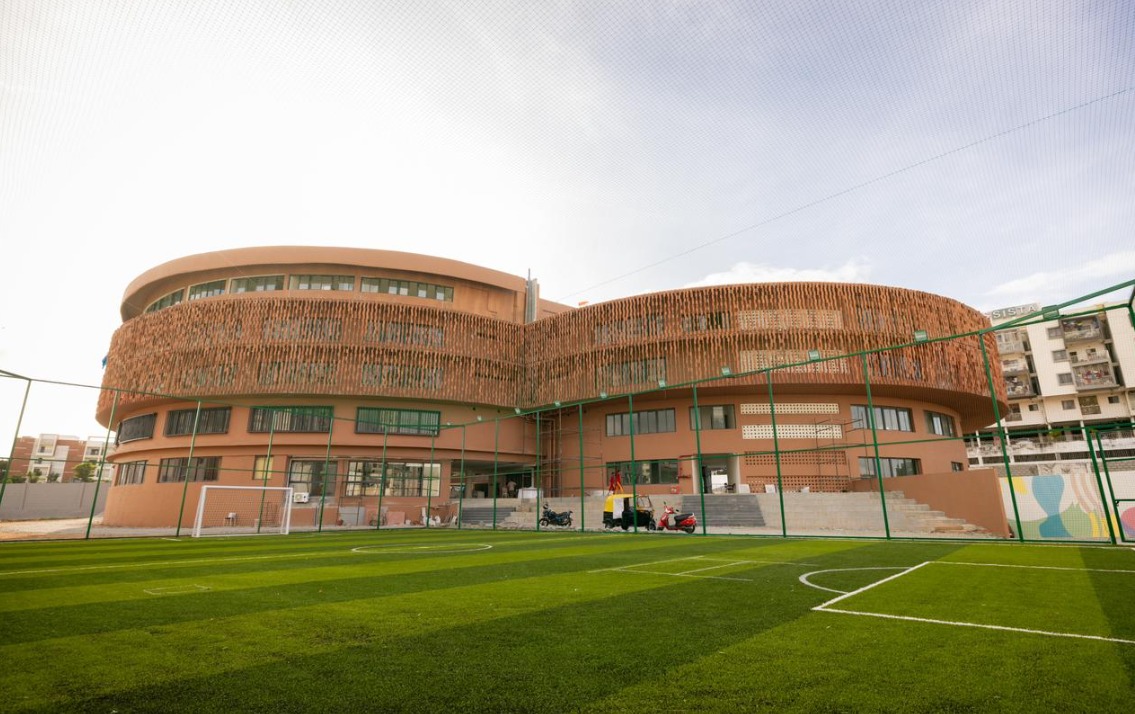
Before diving into the CBSE vs Cambridge debate, it's important to understand what makes Prarthana.in World School's approach unique.
The Blended Curriculum (Nursery to Grade 5)
From Nursery through Grade 5, PWS follows a blended curriculum that integrates elements from both CBSE and Cambridge frameworks. This means your child isn't locked into one system from the start—they experience the structured discipline of CBSE alongside the inquiry-based, skill-focused approach of Cambridge.
This blended foundation ensures that when the time comes to choose at Grade 6, your child is equally prepared for either pathway. They've already developed both the conceptual clarity emphasized by CBSE and the critical thinking skills fostered by Cambridge.
Why the Choice Matters at Grade 6
Grade 6 marks the transition from primary to middle school—a critical juncture where the curriculum becomes more specialized. The board your child follows from this point will determine their examination pattern, subject choices, assessment style, and ultimately, their preparation for higher education.
At Prarthana.in World School, this choice isn't forced upon you. The school's philosophy of personalized learning extends to curriculum selection, ensuring parents and students can make an informed decision together.
CBSE at Prarthana.in World School: What Parents Need to Know
The Central Board of Secondary Education (CBSE) is India's most widely recognized national board, with a curriculum designed by NCERT. Here's what choosing CBSE at PWS means for your child.
Curriculum Structure
CBSE follows a standardized curriculum that emphasizes core subjects—Mathematics, Science, Social Science, English, and a second language. The syllabus is uniform across India, making it ideal for families who may relocate within the country.
Key subjects include:
- Languages (English, Hindi/Sanskrit/Regional Language)
- Mathematics
- Science (Physics, Chemistry, Biology integrated till Grade 10)
- Social Science (History, Geography, Civics, Economics)
- Optional subjects based on school offerings
Assessment Pattern
CBSE employs a combination of formative and summative assessments. Recent reforms have introduced skill-based learning, project work, and internal assessments alongside traditional examinations. The board conducts two major examinations:
- AISSE (All India Secondary School Examination) – Grade 10
- AISSCE (All India Senior School Certificate Examination) – Grade 12
Strengths of CBSE
1. Alignment with Indian Competitive Exams If your child aspires to engineering (JEE), medicine (NEET), civil services (UPSC), or other national competitive exams, CBSE provides direct alignment. The NCERT syllabus forms the foundation for most entrance examinations.
2. Nationwide Recognition and Mobility CBSE schools are present across India, making transitions seamless for families with transferable jobs. The standardized curriculum ensures your child doesn't face learning gaps when moving between cities.
3. Affordability CBSE schools typically have lower fee structures compared to international boards. At Prarthana.in World School, the fee ranges from ₹1 lakh to ₹1.7 lakh, making quality education accessible.
4. Structured Learning Approach The curriculum follows a well-defined progression, ensuring students build conceptual foundations systematically. This structured approach benefits students who thrive with clear guidelines and expectations.
Considerations for CBSE
- Limited subject flexibility compared to international boards
- Traditional assessment methods with emphasis on year-end examinations
- Less focus on application-based learning in some subjects
- Competitive exam preparation may still require external coaching
Cambridge IGCSE at Prarthana.in World School: What Parents Need to Know
The Cambridge International General Certificate of Secondary Education (IGCSE) is developed by Cambridge Assessment International Education (CAIE), part of the University of Cambridge. Here's what this pathway offers.
Curriculum Structure
Cambridge IGCSE offers over 70 subjects, allowing students to choose combinations that align with their interests and strengths. Unlike CBSE's stream-based approach, IGCSE permits cross-disciplinary subject selection.
Core subjects typically include:
- English Language and Literature
- Mathematics
- Sciences (offered as separate subjects: Physics, Chemistry, Biology)
- Humanities (History, Geography, Economics, Sociology)
- Languages (French, Spanish, Mandarin, etc.)
- Arts and Design subjects
Assessment Pattern
IGCSE assessments combine written examinations with coursework, practical assessments, and oral components. This multi-dimensional evaluation measures not just knowledge retention but application, analysis, and presentation skills.
The Cambridge pathway progresses as:
- Cambridge Primary (Ages 5-11)
- Cambridge Lower Secondary (Ages 11-14)
- Cambridge IGCSE (Ages 14-16, equivalent to Grade 10)
- Cambridge AS & A Levels (Ages 16-19, equivalent to Grades 11-12)
Strengths of Cambridge IGCSE
1. Global Recognition Cambridge qualifications are recognized by over 1,400 universities in 160+ countries, including prestigious institutions in the UK, US, Canada, Australia, and Europe. For students planning to study abroad, IGCSE provides a competitive edge.
2. Subject Flexibility Students can combine subjects from different streams—studying Physics alongside Business Studies, or combining Art with Economics. This flexibility supports diverse career aspirations and encourages interdisciplinary thinking.
3. Critical Thinking and Application The Cambridge curriculum emphasizes inquiry-based learning, problem-solving, and real-world application. Students learn to question, analyze, and form independent opinions—skills valued by global employers and universities.
4. Holistic Assessment With coursework, practicals, and varied examination formats, IGCSE evaluates students across multiple dimensions. This reduces the pressure of single high-stakes exams and provides a more accurate picture of student capabilities.
Considerations for Cambridge IGCSE
- Higher fee structure compared to national boards
- Not directly aligned with Indian competitive exams (JEE/NEET)
- Fewer schools offering the curriculum, limiting mobility options
- Requires self-directed learning and time management skills
Head-to-Head Comparison: CBSE vs Cambridge IGCSE
Parameter | CBSE | Cambridge IGCSE |
|---|---|---|
| Recognition | Pan-India, widely accepted by Indian universities | Global, accepted by 1,400+ universities in 160+ countries |
| Curriculum Flexibility | Standardized with stream-based subject selection | Highly flexible with 70+ subject options |
| Assessment Style | Predominantly exam-based with recent inclusion of projects | Multi-format: exams, coursework, practicals, orals |
| Language of Instruction | English, Hindi, Regional Languages | Primarily English |
| Competitive Exam Alignment | Direct alignment with JEE, NEET, UPSC | Indirect; supplementary preparation may be needed |
| Teaching Approach | Structured, conceptual foundation | Inquiry-based, application-focused |
| Fee Range at PWS | ₹1 lakh - ₹1.7 lakh | ₹1 lakh - ₹1.7 lakh |
| Ideal For | Students targeting Indian universities/exams | Students planning global education/careers |
How PWS Supports Both Pathways
What makes Prarthana.in World School exceptional is that whichever pathway you choose, the school's core philosophy remains consistent.
The PRARTHANA.IN Principles
Both CBSE and Cambridge students at PWS experience the school's 12 guiding principles:
- Personal Wellbeing
- Rooted in Culture
- Autonomy
- Reflective Practices
- Thinking Classroom
- Habits
- Aesthetic Experience
- Nature
- Altruism
- . Pause
- Inquiry Mindset
- Nutrition
These principles ensure holistic development regardless of the board chosen.
Thinking Classrooms for All
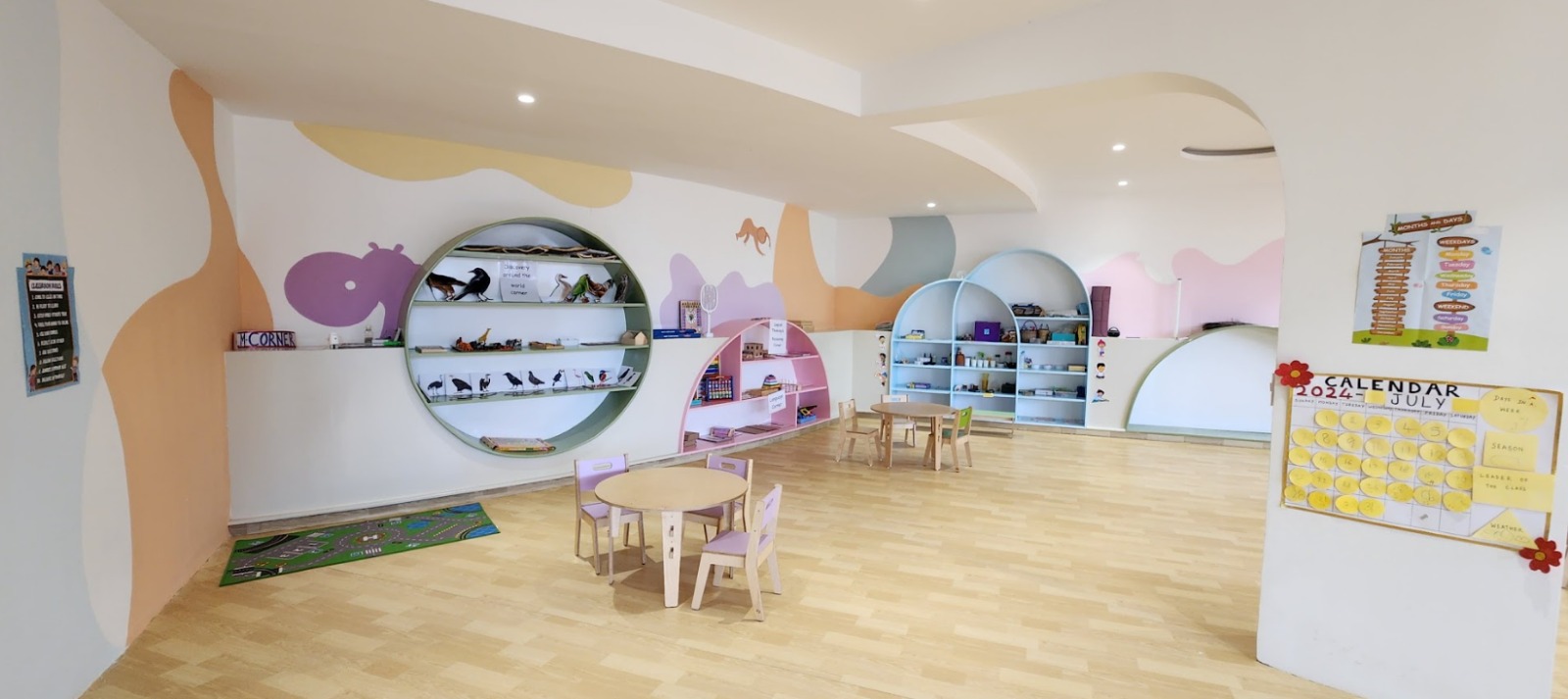
PWS employs the Thinking Classroom methodology across both curricula. This means whether your child is solving NCERT problems or Cambridge assessment questions, they're engaged in active thinking, problem-solving, and collaborative learning—not rote memorization.
Parent-Pedagogues Alliance
The school's Parent-Pedagogues Alliance ensures parents are involved in the curriculum decision. Teachers and counselors guide families through the choice, considering the child's learning style, strengths, and aspirations.
The #within Philosophy
Prarthana.in World School's #within approach nurtures personal wellbeing through reflective journals, mindful pauses, growth mindset development, and affirmations. This inner foundation supports academic success in both CBSE and Cambridge frameworks.
Decision Framework: Which Board Suits Your Child?
Choose CBSE If Your Child:
1. Plans to Pursue Engineering or Medicine in India JEE and NEET syllabi are closely aligned with CBSE/NCERT content. Choosing CBSE reduces the need for extensive bridge preparation.
2. Thrives with Structure and Clear Guidelines CBSE's standardized curriculum provides a clear roadmap. Students who prefer defined expectations and systematic progression often excel in this system.
3. May Relocate Within India With CBSE schools in every major city, mid-year transitions are smoother without curriculum mismatches.
4. Prefers Traditional Assessment If your child performs better in written examinations rather than continuous assessment and coursework, CBSE's evaluation pattern may be more suitable.
5. Values Affordability While PWS offers both curricula at similar fee ranges, coaching and supplementary resources for CBSE are generally more affordable and widely available.
Choose Cambridge IGCSE If Your Child:
1. Aspires to Study Abroad For universities in the UK, US, Canada, Australia, or Europe, IGCSE and A Levels provide direct pathways with global recognition.
2. Has Diverse Interests Across Streams If your child wants to study both Sciences and Humanities, or combine Arts with Business, Cambridge's flexible subject selection accommodates this.
3. Learns Best Through Application Students who grasp concepts better through real-world application, projects, and varied assessments often flourish in the Cambridge system.
4. Is Self-Motivated and Independent Cambridge's inquiry-based approach requires students to take ownership of their learning. Self-directed learners benefit from this autonomy.
5. Shows Aptitude for Critical Analysis If your child naturally questions, debates, and forms independent opinions, Cambridge's emphasis on critical thinking will nurture these skills.
Questions to Ask Before Deciding
About Your Child
- Does my child prefer structured learning or exploratory approaches?
- How does my child perform under exam pressure versus continuous assessment?
- What are my child's current interests—are they clearly STEM-focused, humanities-oriented, or diverse?
- Is my child self-motivated, or do they need more guidance and structure?
- How important is developing global perspectives and English fluency?
About Future Plans
- Is higher education in India or abroad the priority?
- Are competitive exams like JEE/NEET definite goals?
- Is there a possibility of relocating within India during school years?
- What career fields is my child inclined towards?
- How important is international exposure and global networking?
About Practical Considerations
- What is our family's comfort with different teaching methodologies?
- Are we prepared for the demands of coursework and continuous assessment (Cambridge)?
- Can we support supplementary competitive exam preparation if choosing Cambridge?
- What resources are available for each board in our locality?
The PWS Advantage: Flexibility Without Compromise
Unlike schools that force an early choice, Prarthana.in World School Bangalore allows families to experience both approaches before deciding. This is particularly valuable because:
1. Informed Decision-Making By Grade 5, you've observed how your child responds to both CBSE and Cambridge methodologies. The decision is based on evidence, not speculation.
2. No Transition Shock Since students have experienced elements of both curricula, transitioning fully to either board at Grade 6 is seamless. There's no sudden shift in learning style or expectations.
3. Consistent Values, Different Pathways Regardless of the board, PWS students benefit from the same infrastructure, extracurricular opportunities, and value-based education. The pathway differs; the quality doesn't.
4. Teacher Expertise Across Boards PWS invests in Pedagogical Professionals trained in both CBSE and Cambridge methodologies. Your child receives expert instruction regardless of the chosen pathway.
Real Scenarios: Making the Right Choice
Scenario 1: The Future Engineer
Profile: Riya, Grade 5 student, loves Mathematics and Science, dreams of joining IIT
Recommendation: CBSE
Reasoning: CBSE's NCERT syllabus forms the foundation for JEE preparation. Choosing CBSE ensures direct alignment, reducing the need for extensive bridging. The structured approach also suits Riya's methodical learning style.
Scenario 2: The Global Citizen
Profile: Arjun, Grade 5 student, interested in international affairs, plans to study in the UK
Recommendation: Cambridge IGCSE
Reasoning: IGCSE's global recognition and direct pathway to A Levels provides Arjun a competitive edge for UK university applications. The curriculum's emphasis on global perspectives aligns with his interests.
Scenario 3: The Multi-Talented Explorer
Profile: Priya, Grade 5 student, excels in both Science and Creative Writing, undecided about career
Recommendation: Cambridge IGCSE
Reasoning: Cambridge's flexibility allows Priya to study Sciences alongside English Literature without stream restrictions. This keeps her options open while nurturing both passions.
Scenario 4: The Practical Learner
Profile: Karan, Grade 5 student, prefers hands-on learning, struggles with rote memorization
Recommendation: Cambridge IGCSE
Reasoning: Cambridge's application-based learning and varied assessment (coursework, practicals) suits Karan's learning style better than CBSE's exam-heavy evaluation.
Scenario 5: The Future Doctor
Profile: Meera, Grade 5 student, determined to pursue medicine, plans to study in India
Recommendation: CBSE
Reasoning: NEET preparation aligns closely with CBSE Biology, Physics, and Chemistry syllabi. Staying with CBSE streamlines her preparation journey.
What Happens After the Choice?
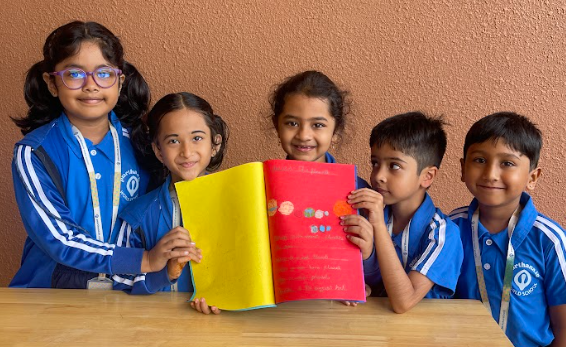
If You Choose CBSE
Your child continues at Prarthana.in World School with the CBSE curriculum from Grade 6 through Grade 10 (AISSE) and potentially Grade 12 (AISSCE) if the school extends to higher grades. The school's Thinking Classroom approach ensures conceptual clarity, while the #within philosophy maintains holistic development.
If You Choose Cambridge IGCSE
Your child follows the Cambridge Lower Secondary (Grades 6-8) and then Cambridge IGCSE (Grades 9-10). This can be followed by AS & A Levels at PWS or another Cambridge-affiliated institution. The pathway prepares students for global university applications while maintaining PWS's values-based education.
Final Verdict: There's No Wrong Choice
Here's the reassuring truth: at Prarthana.in World School Bangalore, both pathways lead to excellence. The CBSE route isn't inferior to Cambridge, and Cambridge isn't automatically better than CBSE. They serve different purposes and suit different students.
The best choice is the one that aligns with:
- Your child's learning style and strengths
- Your family's future plans (India vs. global education)
- Your child's career aspirations (if known)
- Practical considerations like potential relocation
What remains constant is Prarthana.in World School's commitment to nurturing the potential #within every child—whether they're solving NCERT equations or Cambridge case studies.
Next Steps for Parents
- Schedule a Campus Visit: Experience the learning environment at PWS and observe both CBSE and Cambridge classrooms in action.
- Speak with Teachers: Discuss your child's learning patterns with current educators who've observed them through the blended curriculum.
- Involve Your Child: At Grade 5, children can articulate their preferences. Have an age-appropriate conversation about their interests and comfort with different learning styles.
- Consult the Admissions Team: PWS counselors can provide personalized guidance based on your child's profile.
- Consider Long-Term Goals: Think beyond the immediate year. Where do you see your child in Grade 10? Grade 12? University?
The decision between CBSE and Cambridge at Prarthana.in World School isn't about choosing the "better" board—it's about choosing the right fit. And with PWS's blended foundation, your child is prepared to excel on either path.
Note: Blogs by Yellow Slate are written based on information, knowledge and perspective of the writer. While every caution has been taken to provide readers with accurate information, please use your discretion before taking any decisions based on the information in this blog. In case you find any information that is factually wrong or something that could be made better, please write to us at contact@yellowslate.com.
Curious about how we arrived at this list? We believe parents deserve full transparency on how schools are evaluated and selected. to understand our school selection methodology.


