Gnanavatika – Back to Gurukula: How Vishwa Vidyapeeth ICSE, Yelahanka Assesses a Six-Year Experiential Journey
A school trip generally concludes when the bus returns to the school campus. Children return home exhausted but joyful, and within a week, the experience fades into a few photos. It is rarely revisited or discussed.
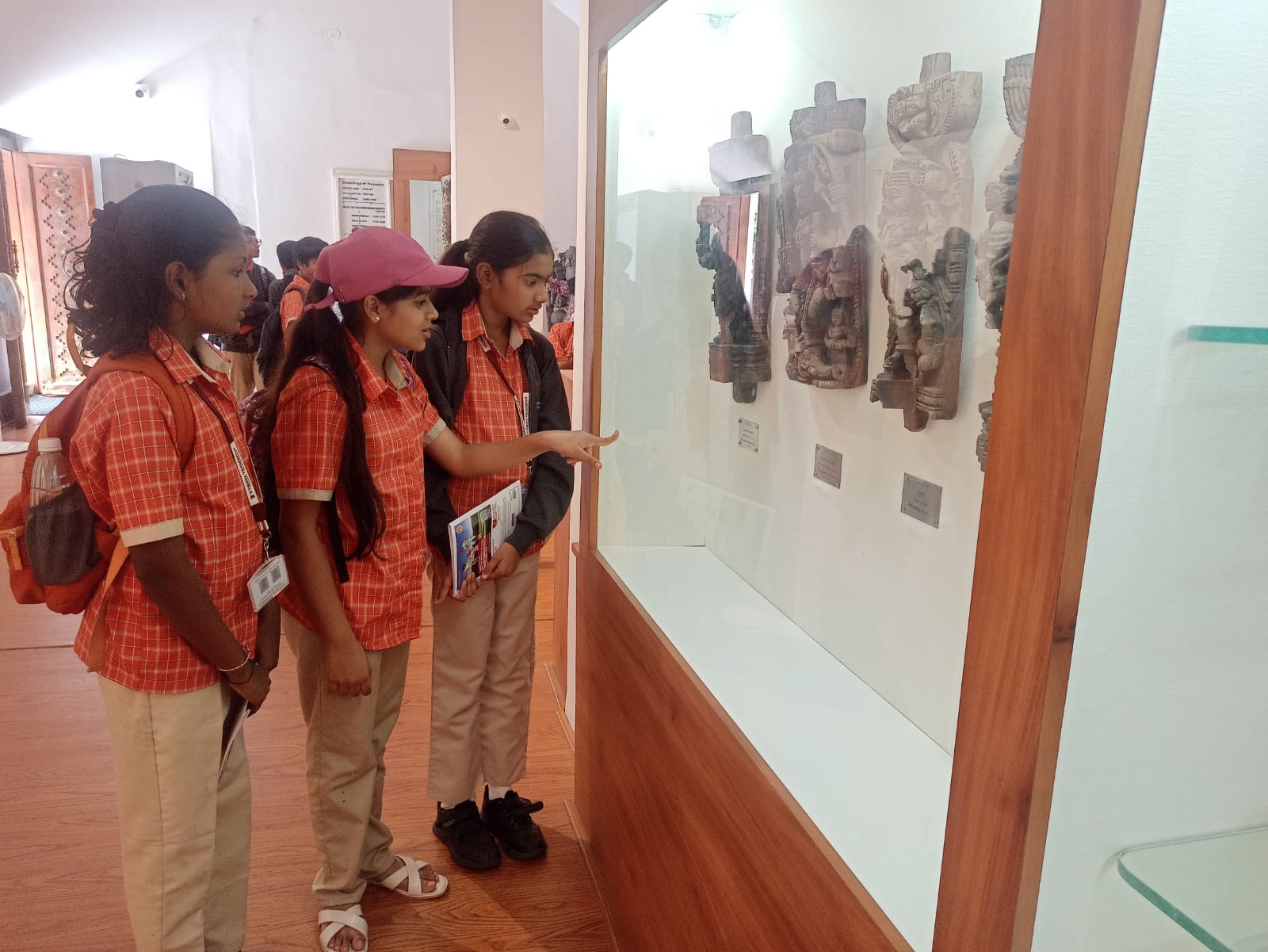
Gnanavatika – Back to Gurukula is an experiential programme at Vishwa Vidyapeeth ICSE, Yelahanka, which takes a different approach. It is built on the belief that an experience truly matters only when a child can explain what they have learned from it. Every trip and hands-on activity is followed by writing, reflection, and presentations, with teachers offering guidance and regular feedback. The programme spans six years, from Grade 7 to Grade 12.
For families evaluating the best ICSE schools in Yelahanka, this guide explains how Vishwa Vidyapeeth measures learning that does not appear on a report card. It also outlines the skills that this learning aims to develop.
Six Years of Practice
Values such as discipline, sustainability, and service are easy to discuss in a classroom but hard to absorb there. They become habits through repeated exposure to unfamiliar situations, with increasing levels of responsibility each time. That is why Gnanavatika is structured as a continuous journey from Grade 7 to Grade 12, rather than a series of annual trips.
The school’s concept of Gurukula education informs this design. It means taking a child beyond the familiar so they pick up the knowledge and habits a purposeful life needs. Over six years, the goal is to develop a young person who is self-reliant, self-motivated, and self-disciplined, and who values both the traditions of the Gurukula and the demands of the modern world.
Assessing What a Marksheet Cannot
How Vishwa Vidyapeeth ICSE, Yelahanka Evaluates Gnanavatika
Many schools organise trips; few explain how they measure the learning outcomes. Vishwa Vidyapeeth describes Back to Gurukula as a programme that is tracked and graded. Each stage has defined goals, teachers give feedback throughout, and grades rest on what students can show. Students take on real-world projects, reflect on them with their teachers, and are assessed through journals and presentations.
The key term is evidence. Simply attending a trip does not guarantee learning. A child’s journal shows what they observed and how their understanding evolved. The presentation tests whether they can explain their learning clearly to others. Feedback then helps carry those lessons forward, so each year builds on the previous one.
This approach mirrors how Vishwa Vidyapeeth handles learning in general, where continuous assessment, small-group mentoring, and reflective journals help teachers understand how each student learns.
Four Skills Gnanavatika Is Designed to Build
Independent Thinking
The school describes its Back to Gurukula approach as one that pushes students to question what they see, weigh it up, and work out answers for themselves. This matters because real-life situations do not come with ready-made answers.
On the Experiential Yatra, students study geography in the places they visit and connect history with living traditions. They see science applied to sustainability on trips that have included Leh-Ladakh and Madhya Pradesh. Nai Talim in Wardha, Maharashtra, is one of the programme’s listed destinations. A child who must make sense of an unfamiliar region learns to form their own perspective. Reflective journaling then encourages them to examine and refine that perspective rather than just record events.
Communication
Communication is built into the programme itself. Writing a journal entry requires clear and organised expression, while presenting to classmates demands confidence and structure. The programme lists communication as one of its core goals, alongside organisational and financial skills.
This aligns well with the ICSE classroom environment. Vishwa Vidyapeeth describes its ICSE learners as students who enjoy writing, debating, and connecting subjects, with an emphasis on language proficiency and project-based learning. Gnanavatika provides real-world subject matter for these skills. Students write and speak about things they have actually experienced. That is why the programme supports the ICSE curriculum at Vishwa Vidyapeeth Yelahanka instead of competing with it for time.
Responsibility
Travelling with classmates and living away from home teaches children to take care of themselves. The programme includes resilience and adaptability among its learning objectives, along with Gurukula values such as truth, non-violence, fearlessness, and sustainability.
Responsibility also extends beyond the individual. Community service and social initiatives are built into the programme to develop empathy and a sense of civic duty.
Clear disciplinary rules apply to both students and parents. This shows that the school views the experience as a shared responsibility rather than an optional activity.
Practical Learning
On campus, Gnanavatika gives children the chance to work with their hands. Activities like gardening, pottery, bamboo weaving, and cooking are part of the programme. These activities build self-reliance and respect for work. A student who has shaped clay or cooked for others learns to value effort, which is hard to teach through books alone. The farming and garden spaces on the Vishwa Vidyapeeth ICSE campus give this work a real setting.
Academic subjects are also connected to real-life situations through topics like biodiversity, ecology, water conservation, medicinal plants, and forest art. Yoga and meditation balance the physical activities with time for focus and calm.
Skill | Where Children Practise It | How It Is Assessed |
|---|---|---|
| Independent thinking | Experiential Yatra, real-world projects | Reflective journals and mentor feedback |
| Communication | Journal writing, presentations | Written reflection and presentation |
| Responsibility | Travel, community service, disciplinary guidelines | Mentor observation and regular feedback |
| Practical learning | Gardening, pottery, bamboo weaving, cooking, subject-linked fieldwork | Real-world projects and measurable outcomes |
For Parents Considering the Programme
Questions to Ask About Gnanavatika at Vishwa Vidyapeeth ICSE, Yelahanka
Families have a defined role in Gnanavatika, and the school sets clear expectations for parental involvement. A campus visit is the best way to understand how the programme runs day to day. These questions are worth asking:
- How often are student journals reviewed, and by whom?
- When are presentations held, and who is the audience?
- How is feedback shared with families during the year?
- How do the journeys and responsibilities change from Grade 7 to the senior years?
The ICSE campus is located at Honnenahalli on Doddaballapur Road. For families looking for the best schools in North Bangalore, the Vishwa Vidyapeeth Yelahanka campus is worth visiting in person.
Part of a Larger Philosophy
Gnanavatika grows out of the school’s aim of keeping the Guru-Shishya tradition alive while raising children who are at home in the world and rooted in India. Bhagavad Gita classes and yoga come from the same thinking. The legacy and vision behind Vishwa Vidyapeeth explain where these priorities began.
Within Vishwa Vidyapeeth’s VISAT Future Readiness Framework, Back to Gurukula sits under Visionary Thinking. Arts, sports, and clubs form part of the co-curricular life at Vishwa Vidyapeeth Yelahanka. Gnanavatika extends learning to communities and landscapes across India.
The Bottom Line
At Vishwa Vidyapeeth ICSE, Yelahanka, a journey counts only when a child can show what it taught them. Over six years, Gnanavatika asks students to think for themselves, explain their ideas, take responsibility for their conduct, and learn with their hands. Journals, presentations, and mentor feedback then hold that learning to account.
For parents weighing the best ICSE schools in Bangalore, that is a meaningful difference. Read Vishwa Vidyapeeth Yelahanka parent reviews, or explore the programme on the official Vishwa Vidyapeeth website.
Note: Blogs by Yellow Slate are written based on information, knowledge and perspective of the writer. While every caution has been taken to provide readers with accurate information, please use your discretion before taking any decisions based on the information in this blog. In case you find any information that is factually wrong or something that could be made better, please write to us at contact@yellowslate.com.
Curious about how we arrived at this list? We believe parents deserve full transparency on how schools are evaluated and selected. to understand our school selection methodology.


